


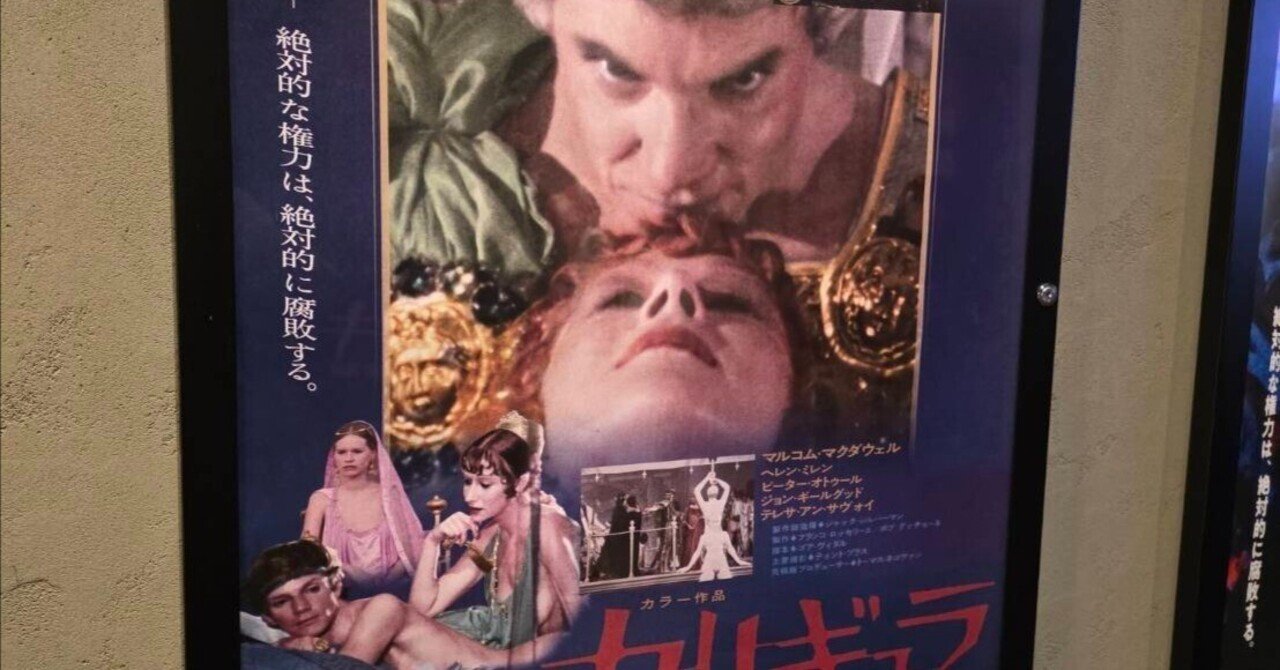
Caligula gave its name to the Caligula effect: the psychology whereby people become even more curious about things they’re told not to see or not to approach. I knew the concept, but I didn’t realize the term itself originated from this very film.
(※“The Caligula effect” is an expression used only in Japan.)

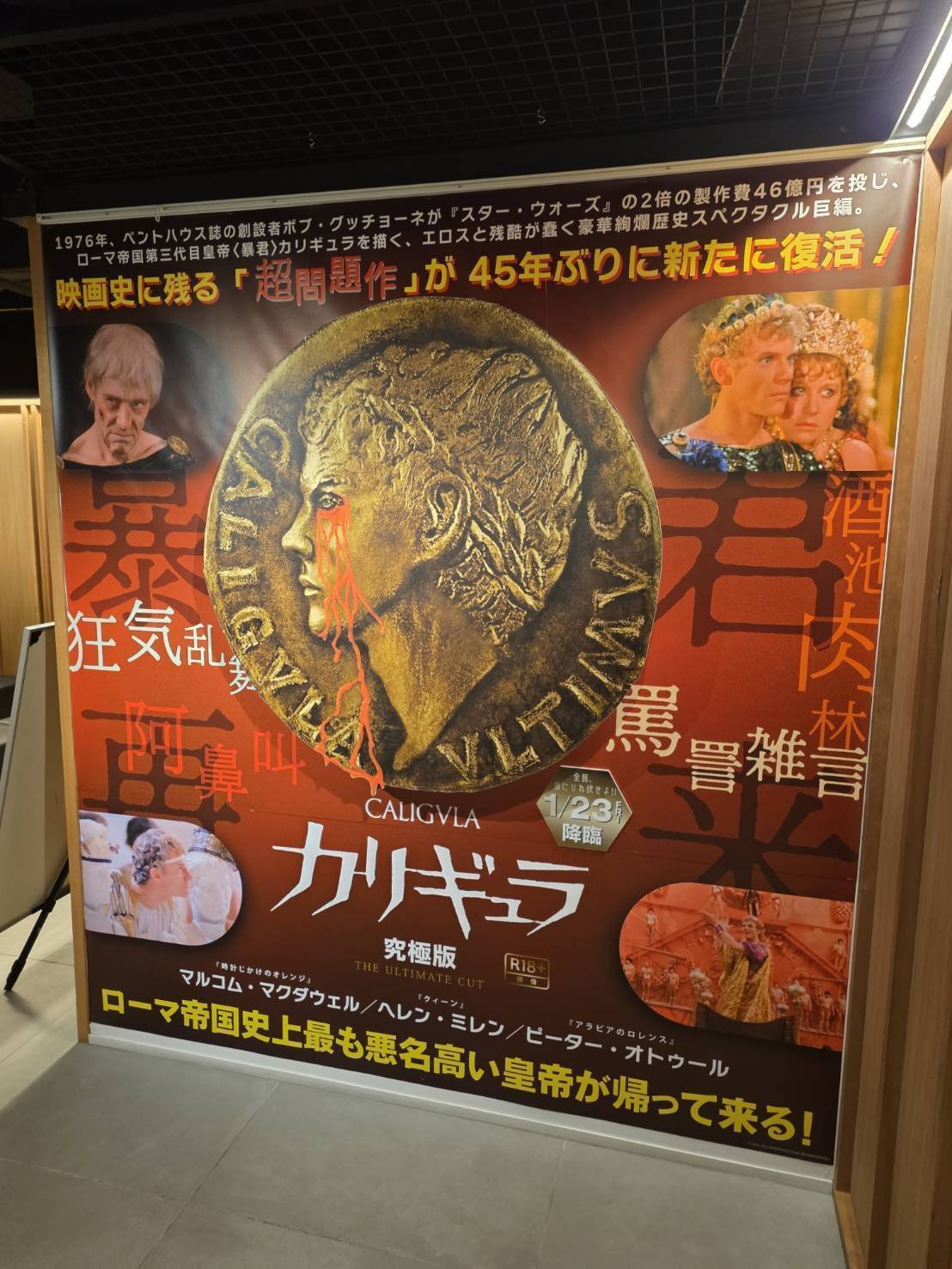
Banned in several countries, Caligula became a massive hit in Japan and elsewhere precisely because of that prohibition—a notorious, ultra-controversial work. Its extreme brutality and ero-guro content drew fierce criticism, yet that very excess allowed a kind of artistry that earned it a devoted following. A true cult classic.
The version I went to see was the “ultimate” cut: scenes removed from the theatrical release, presented uncut, with explicit imagery included. I went to the theater thinking, “All right then—let’s see what such a scandalous film can really do…” In other words, I fell squarely into the Caligula effect myself, walking straight into the web.
Cutting to the chase: it was outrageously to my taste. Honestly.
It’s a no-holds-barred celebration of ugliness, backed by an astonishing budget. Wherever you look, beautiful blood and sex collide; It’s easy to see why people who were still “pure” back then would have dismissed it as “garbage that should never be allowed to exist.” Over those three hours, you end up seeing something like a hundred uncensored penises.
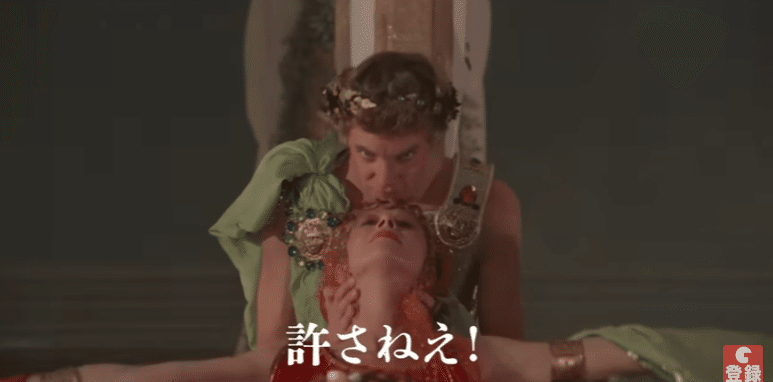
But without that, you couldn’t possibly convey the sins of a “mad tyrant” meant to stand out in human history. Caligula indulges freely in cruelty and sex. At the same time, his greed extends to money and power: state-run brothels, the domination of neighboring territories. As the nation grows stronger and base pleasures mix into everyday life, Caligula paradoxically becomes a good emperor in the eyes of the people. Emboldened, he begins—arrogantly—to call himself a god.
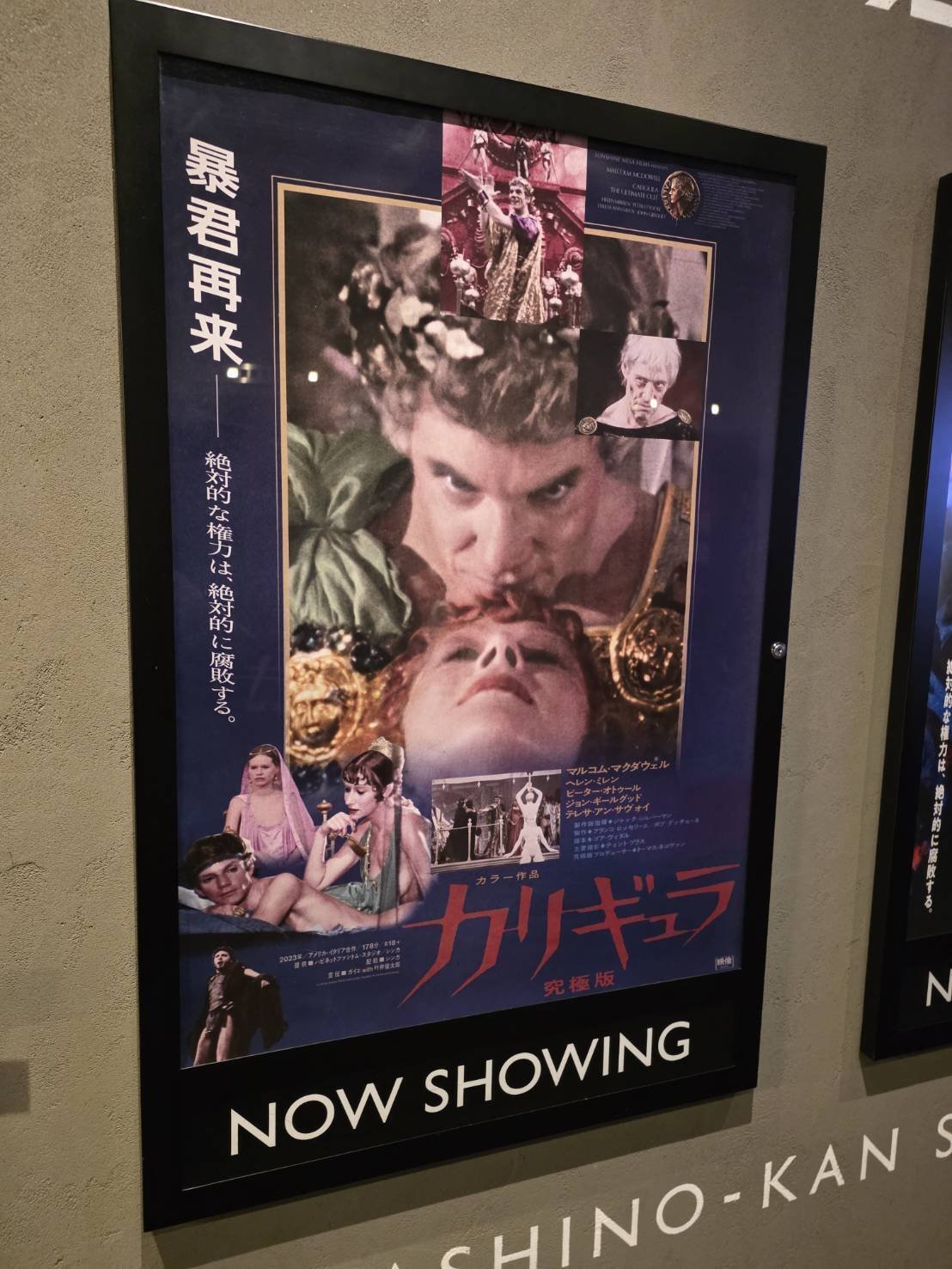
A tyrant who has exhausted all pleasures on earth inevitably turns his gaze to the heavens, and of course, humans cannot become gods. Immense power always invites revolution; the cruel king is assassinated. Everyone knows how history ends.
Yet the film stages the entire path to that ending in relentless, blood-red excess, leaving viewers unable to look away from the succession of shocking scenes. Because it’s “history,” because it’s “just a film,” we—the masses—find ourselves drawn to grotesque, inhumane acts. This is the Caligula effect in its purest form: forbidden viewing translating into box-office success.
Three hours of uncompromising provocation.
There’s an ironclad will here to express violence as vividly and artistically as possible, and once you’ve seen it, the impact never leaves you. I fell in love not just with the story or direction, but with the very way the work exists. I suspect this shock will stay lodged in me forever. It’s magnificent.
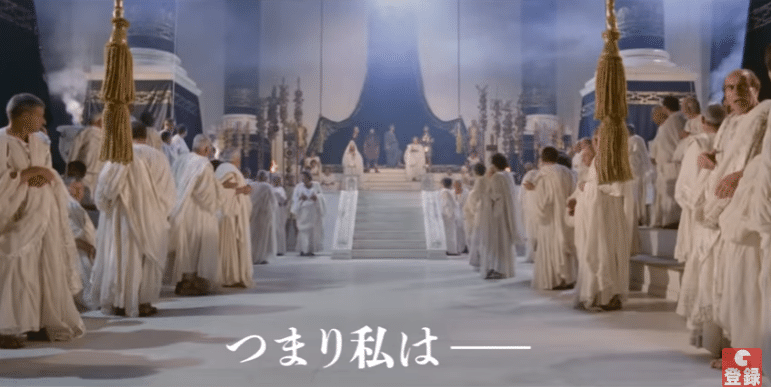
In fact, I already can’t forget its art and worldview; I feel myself being invited back to those three hours, tempted to watch it again. People can’t resist a form of “appeal” that transcends common sense and ethics. A film that carefully, relentlessly stimulates those instincts is a masterpiece to me. No matter what anyone said at the time, Caligula remains—rightfully—an infamous, eternal classic.
Comments (0)
Leave a comment
No comments yet. Be the first to comment!