


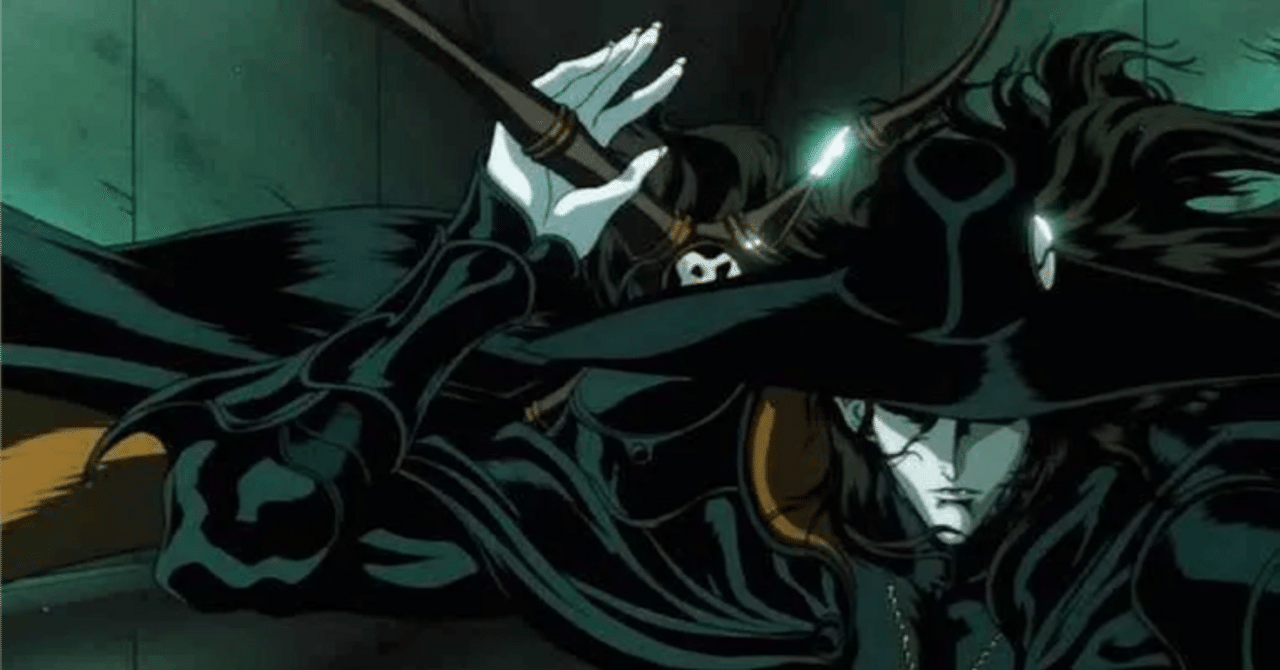
I watched Vampire Hunter D. Everything about it is Gothic. Everything about it is beautiful. It is one of the highest achievements of cel animation.
The beauty of it comes across even in the trailer alone, so start there.
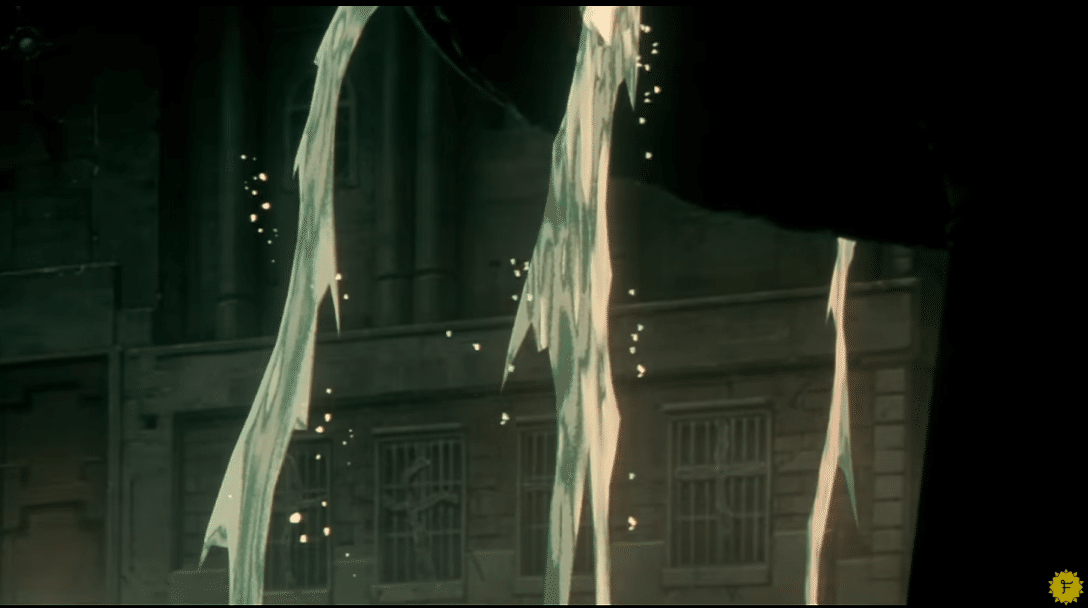
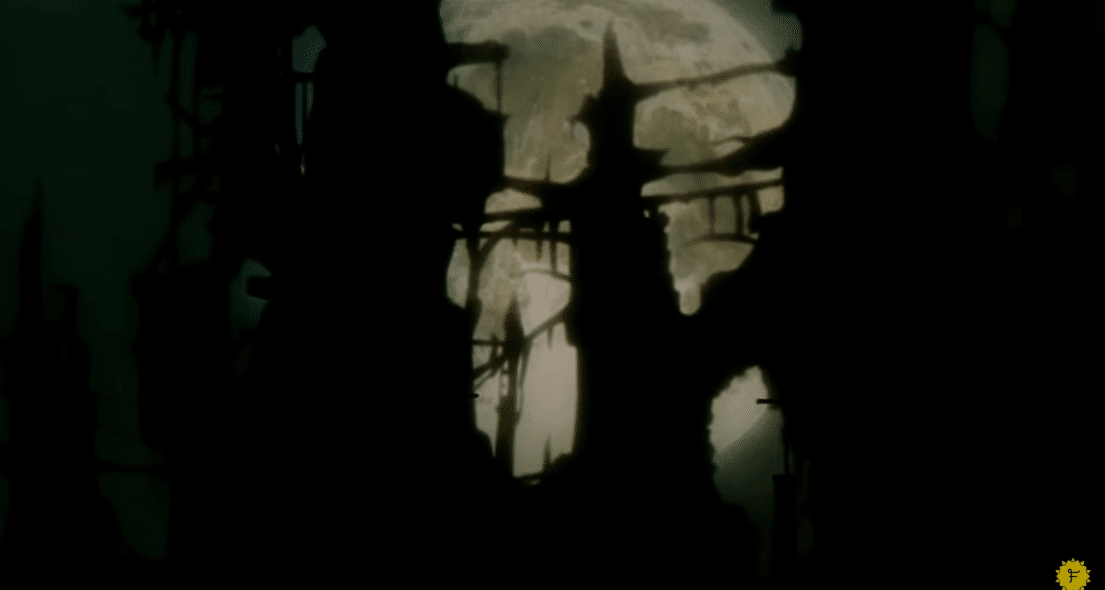
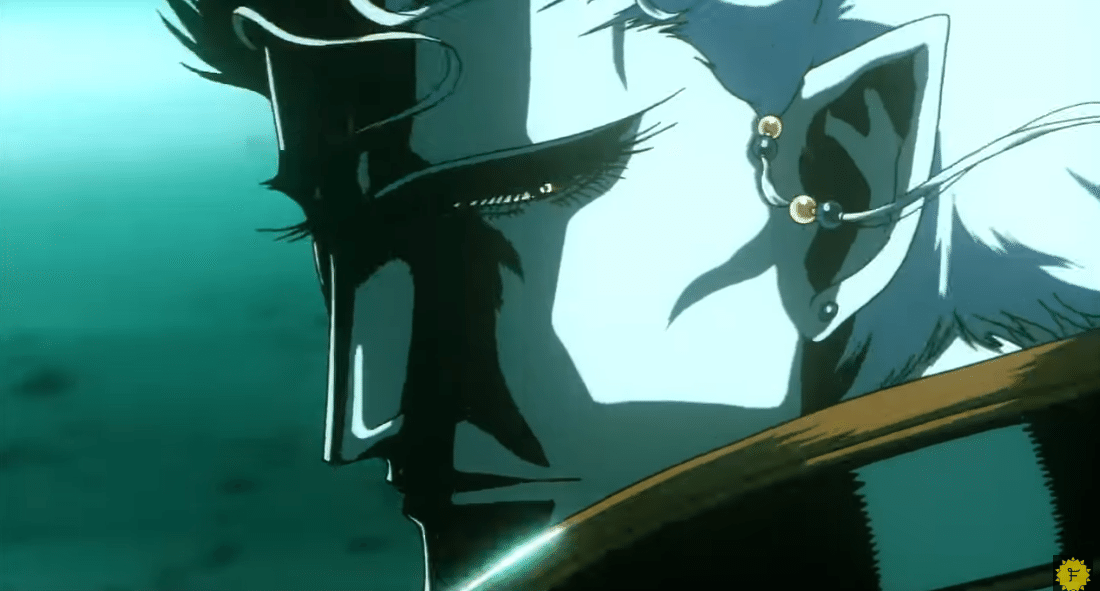
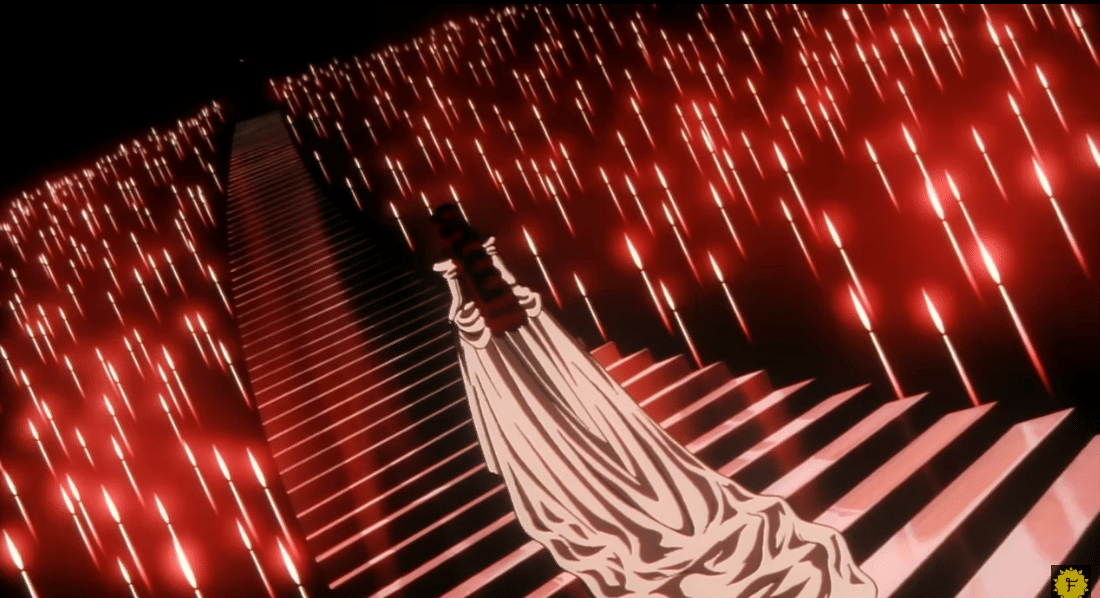
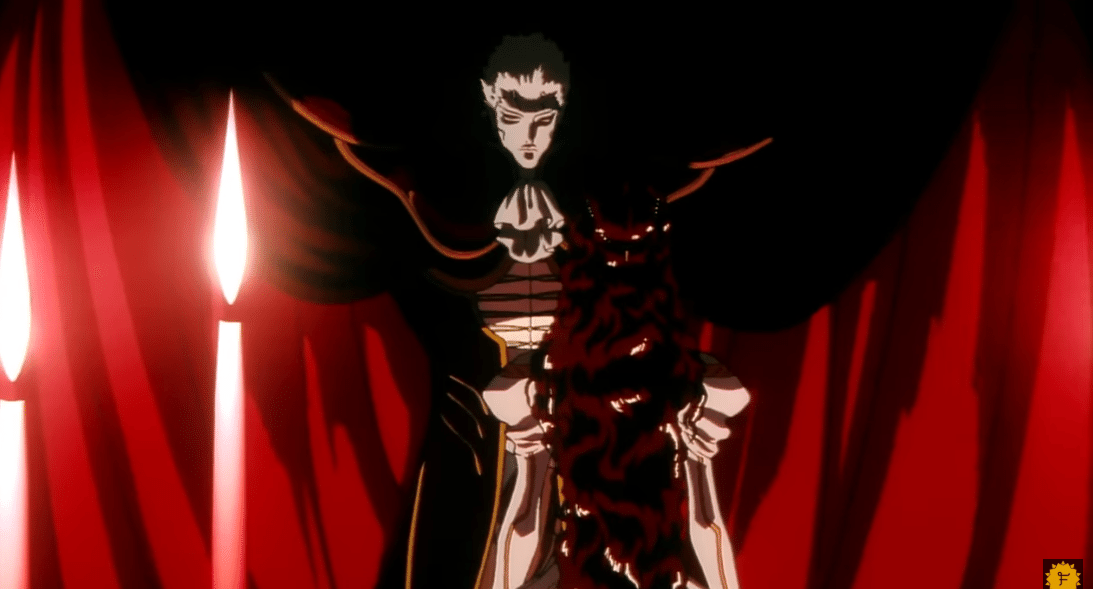
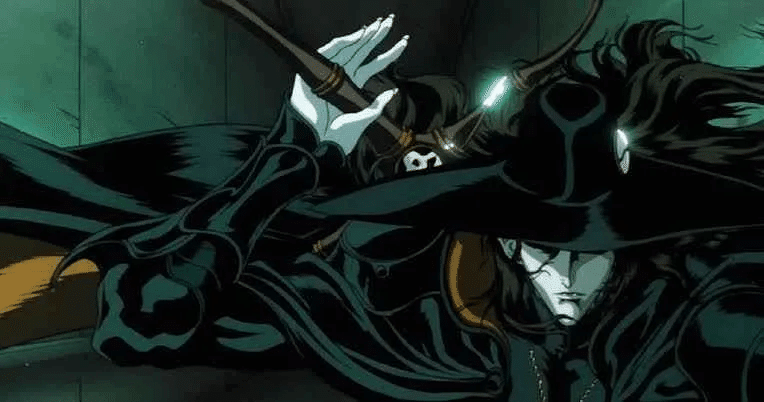
Don't miss the chance to experience this breathtaking visual masterpiece—a theatrical-scale monument to the pinnacle of cel animation that almost feels like an out-of-place artifact from another era.
Now then, let me talk a little about cel animation.
I happened to grow up during the exact period when anime was transitioning from cels to digital production. That transition is generally said to have taken place over roughly five years, from 1997 to 2002. I was about three to eight years old then, so virtually every anime I watched in early childhood was cel animated.
Vampire Hunter D was released in 2001, right at the tail end of that transition. It's essentially the culmination of everything the industry had learned about cel animation up to that point—a crystallization of decades of craftsmanship. As a piece of animation history alone, it's something everyone should see: Madhouse's magnum opus.
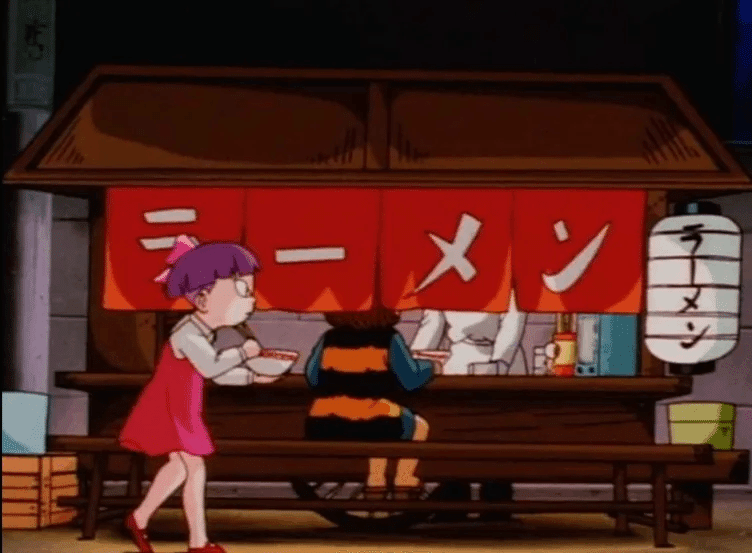
One of the clearest examples of that transition, and one that left a strong impression on me as a child, is the fourth GeGeGe no Kitarō TV series. Midway through its run, the production switched from cels to digital, making the difference strikingly obvious. It was Toei's first digitally produced television series, and you can still feel the studio finding its footing.
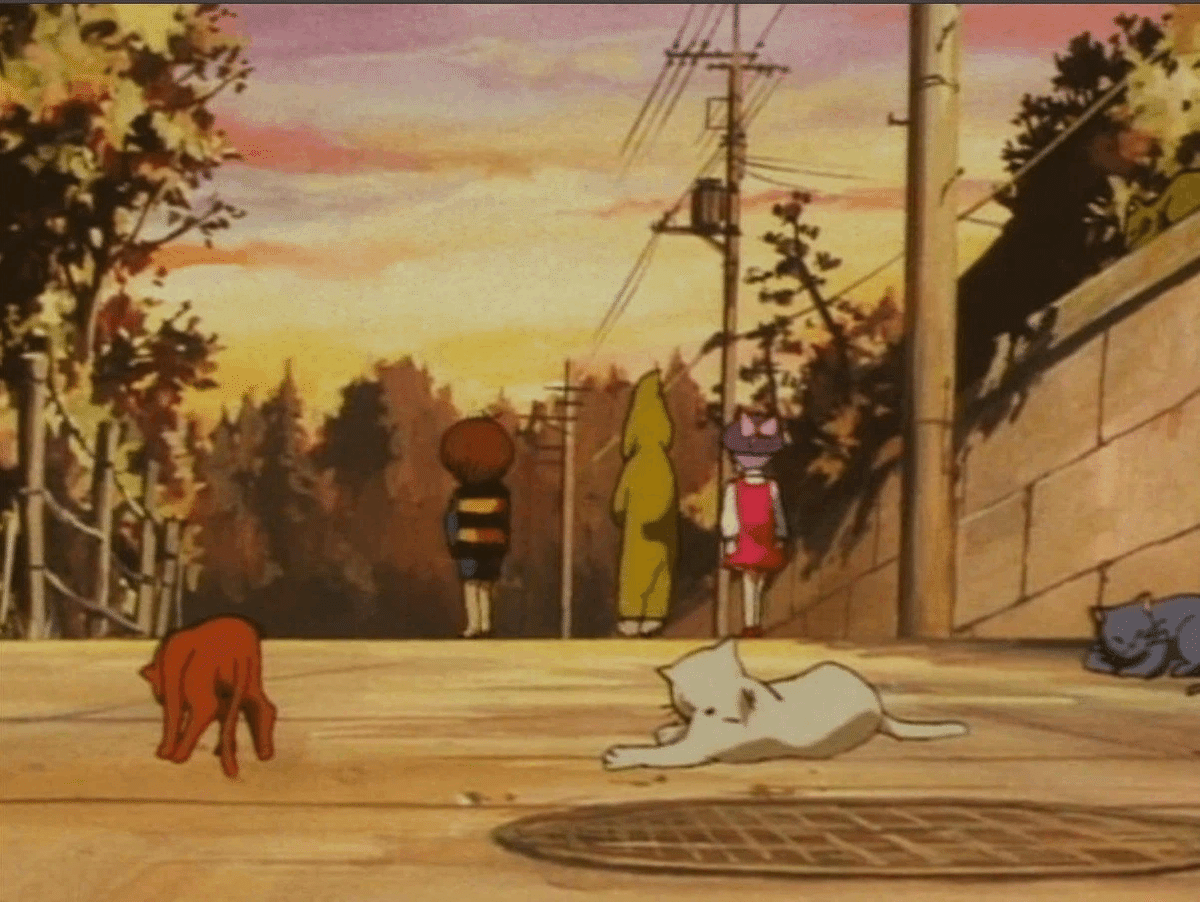
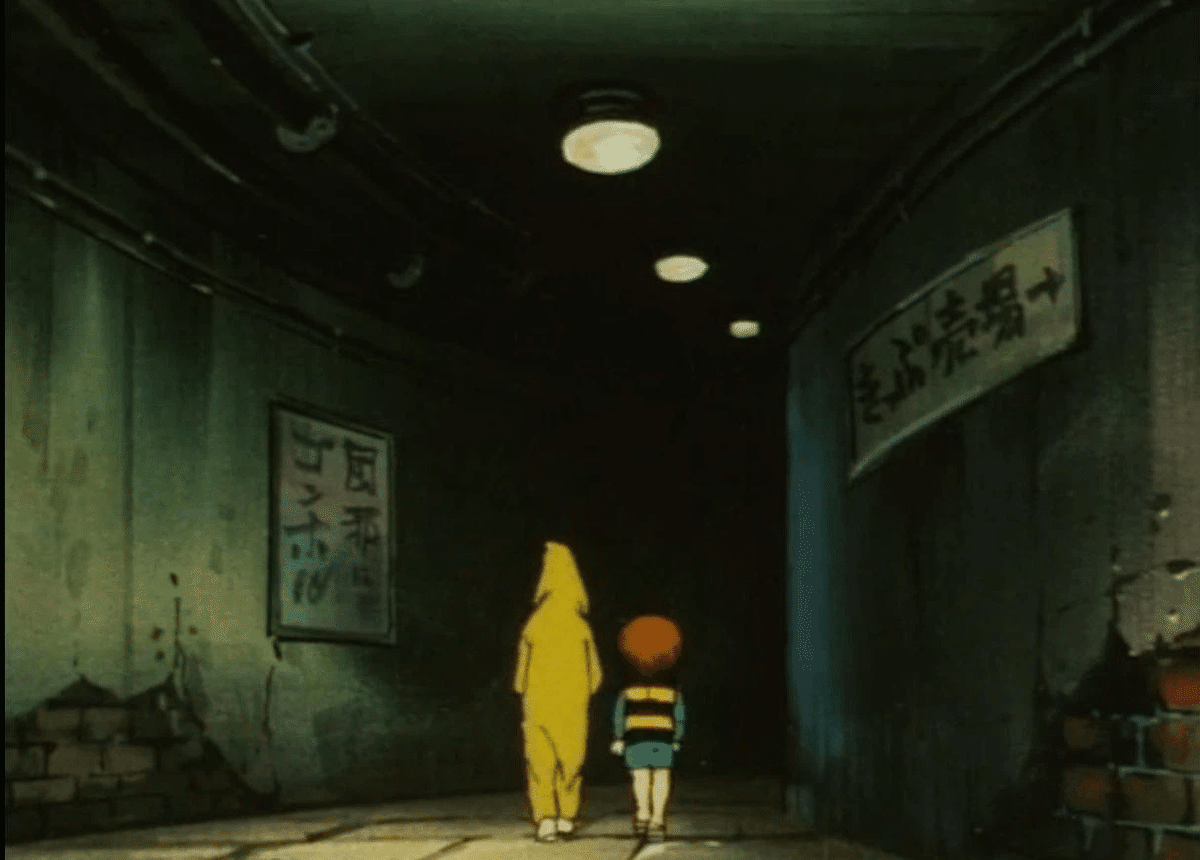
Kitarō always depicts scenery that's just a little behind the current era, so the fourth series beautifully captures the dim streets of early Heisei Japan, still carrying traces of the Bubble Economy. As for the cel-animated episodes, I honestly have nothing to complain about—they bring Shigeru Mizuki's wonderful backgrounds to life perfectly.
I'll recommend one of my favorite episodes.
The fourth series aired from January 7, 1996, to March 29, 1998. Everything from Episode 64 onward—the second year—was produced digitally. Among those digital episodes, my favorite is "Rakshasa."
Episode 89, written by Chiaki Konaka, is incredibly dark, sensual, and unmistakably lain-like.
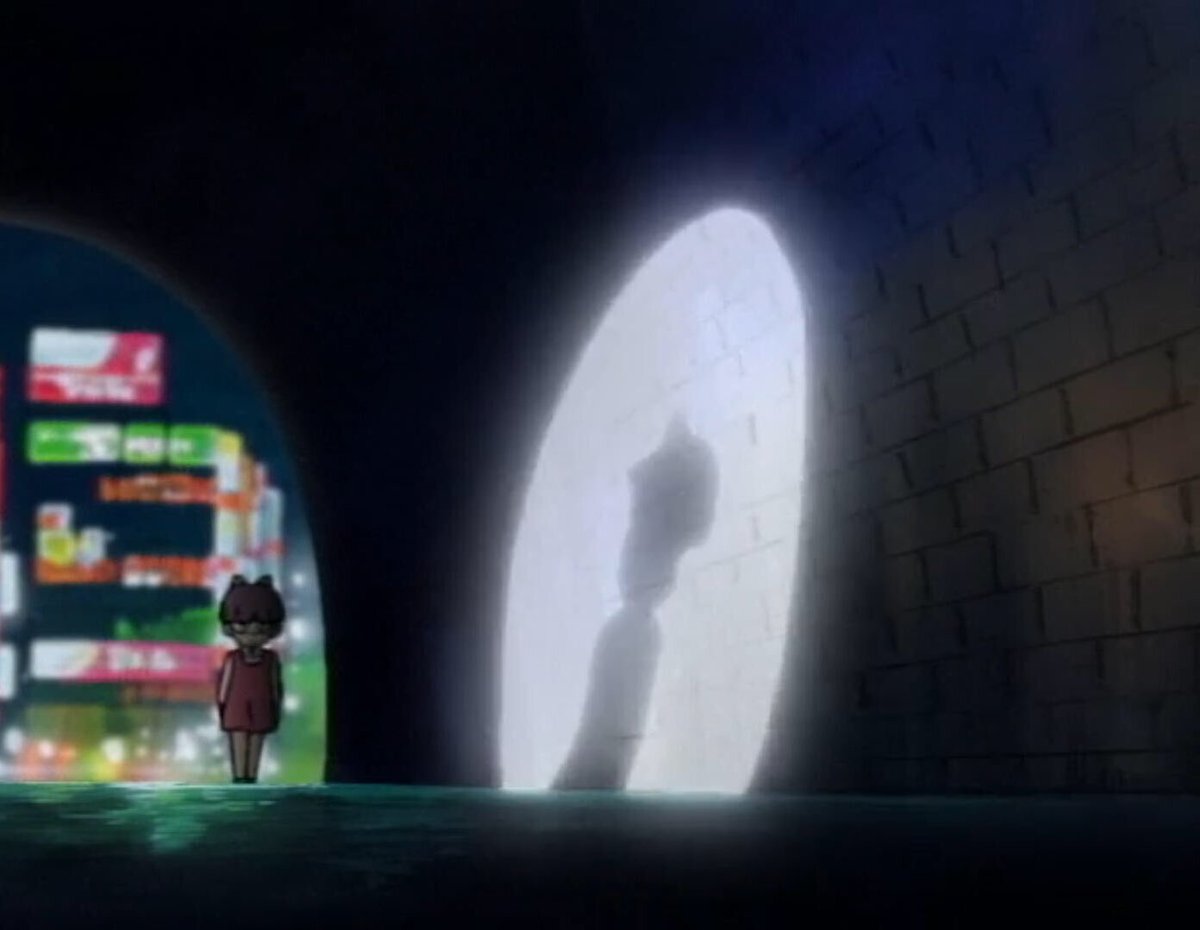
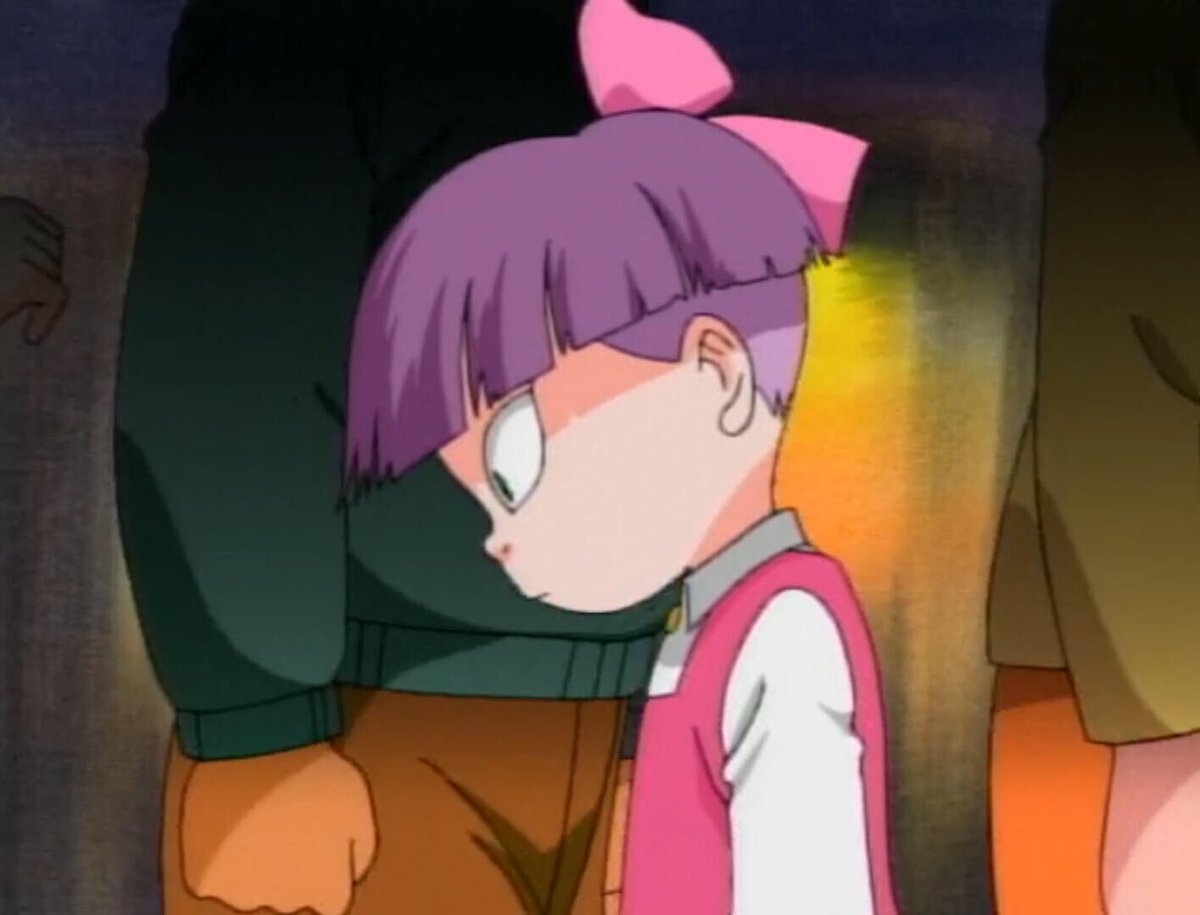
It's still a fantastic episode, but compared to the cel era, you can probably see how much flatter the coloring feels. Early digital anime often had that thick, paint-bucket look, and even as a child I found it a little disappointing. I remember feeling the same way watching the original, pre-remaster version of Gundam SEED: "Everything looks kind of... smooth."
Having grown up during that era, Vampire Hunter D was immensely satisfying to revisit—not only because of the nostalgia, but because its visuals deserve to be called works of art regardless.
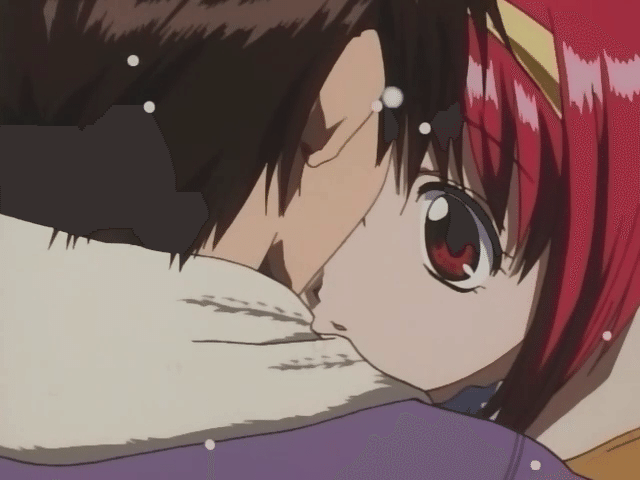
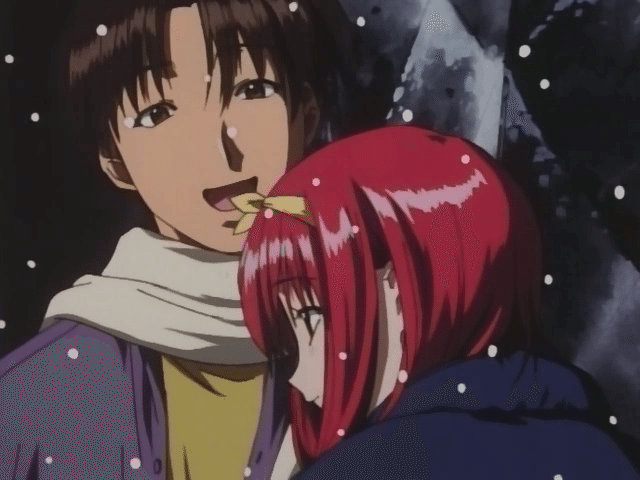
With the remake of the game finally coming out, the original ToHeart anime is apparently being included on Blu-ray as a bonus. Honestly, I want it for that alone. Not only is its gentle, slice-of-life storytelling exceptional, but the girls possess a warmth and elegance that only cel animation seems capable of capturing. It's wonderful news. ToHeart also later received what was essentially a second season made digitally in 2004.
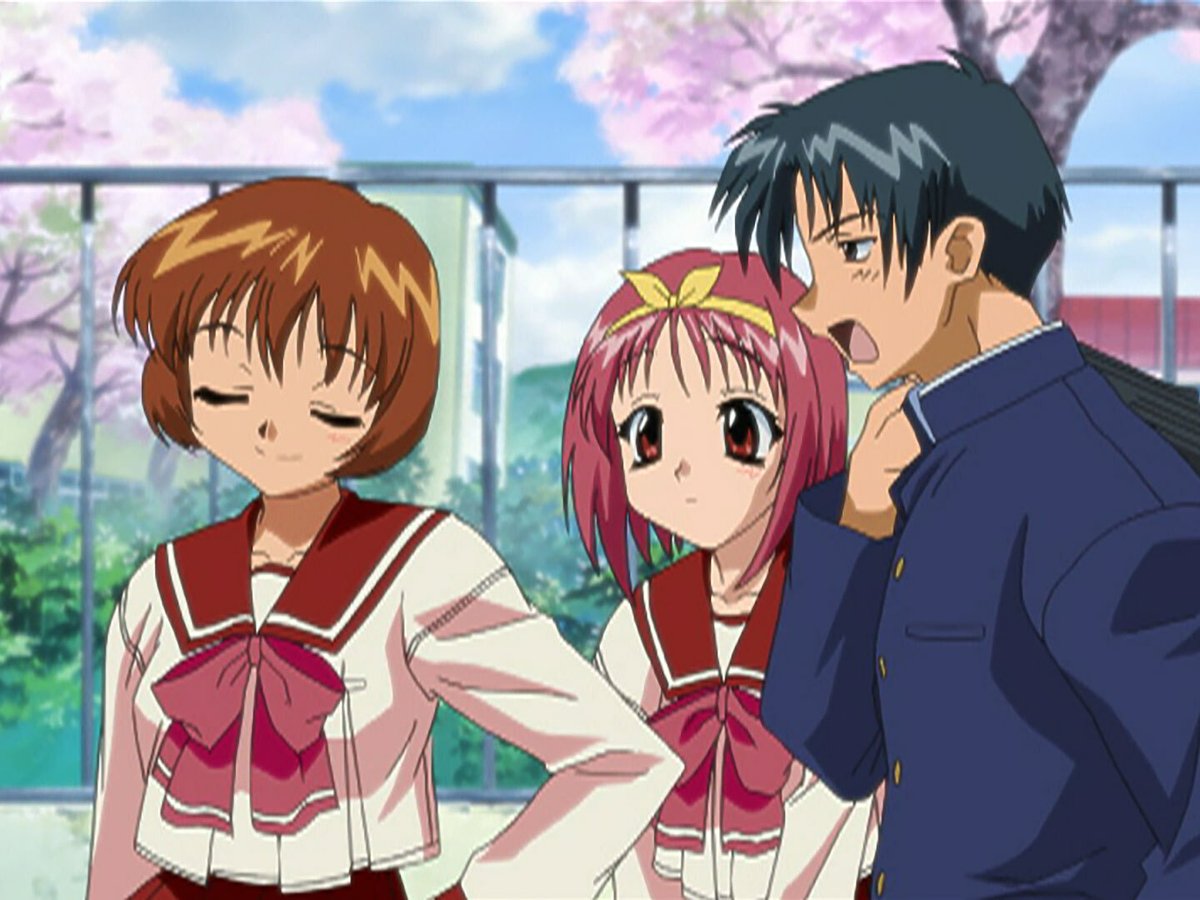
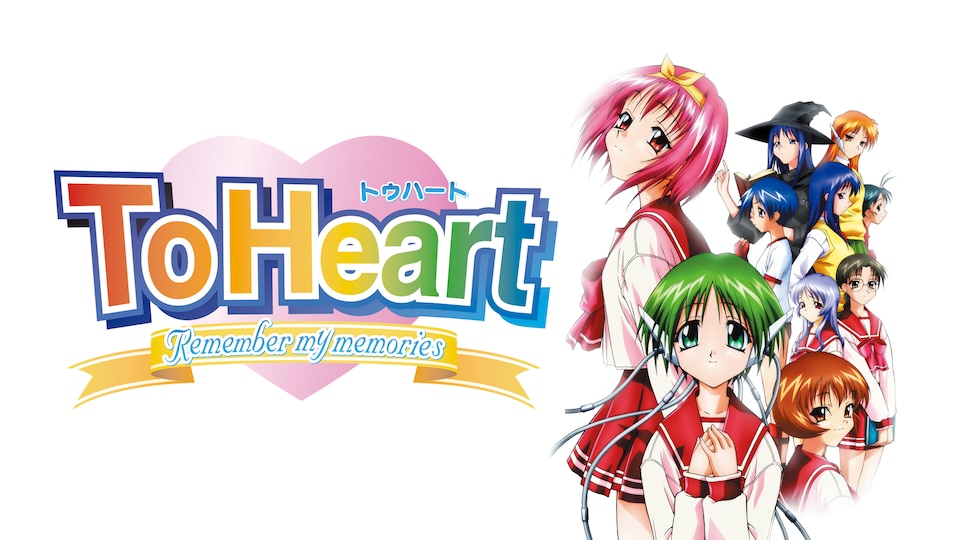
Compared to the cel-era series, though, the coloring inevitably feels much simpler. The story, stretched out beyond its natural length, never really worked for me either. The blatant favoritism toward certain popular characters and the excessive fanservice also felt like negatives. In the end, it left me feeling that it only made the legend of the original cel-animated series shine even brighter.Digital animation simply hadn't matured yet. Looking back now, the whole production feels rather cheap—a true transitional work.But perhaps someday, this jagged early-digital aesthetic will come full circle and be appreciated as stylish in its own right.There are already moments when I find that old Paint-like look strangely nostalgic.
Even so, the opening theme, "Daisuki da yo (Into Your Heart)," is an absolutely wonderful song.
Comments (0)
Leave a comment
No comments yet. Be the first to comment!