


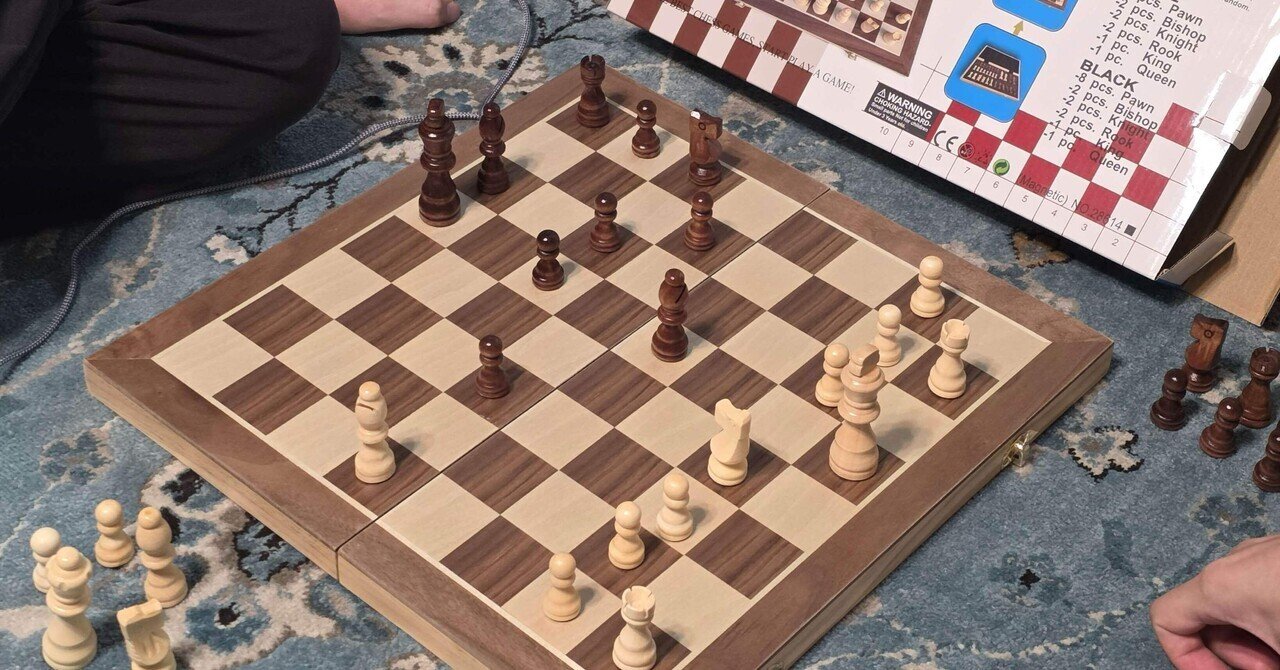
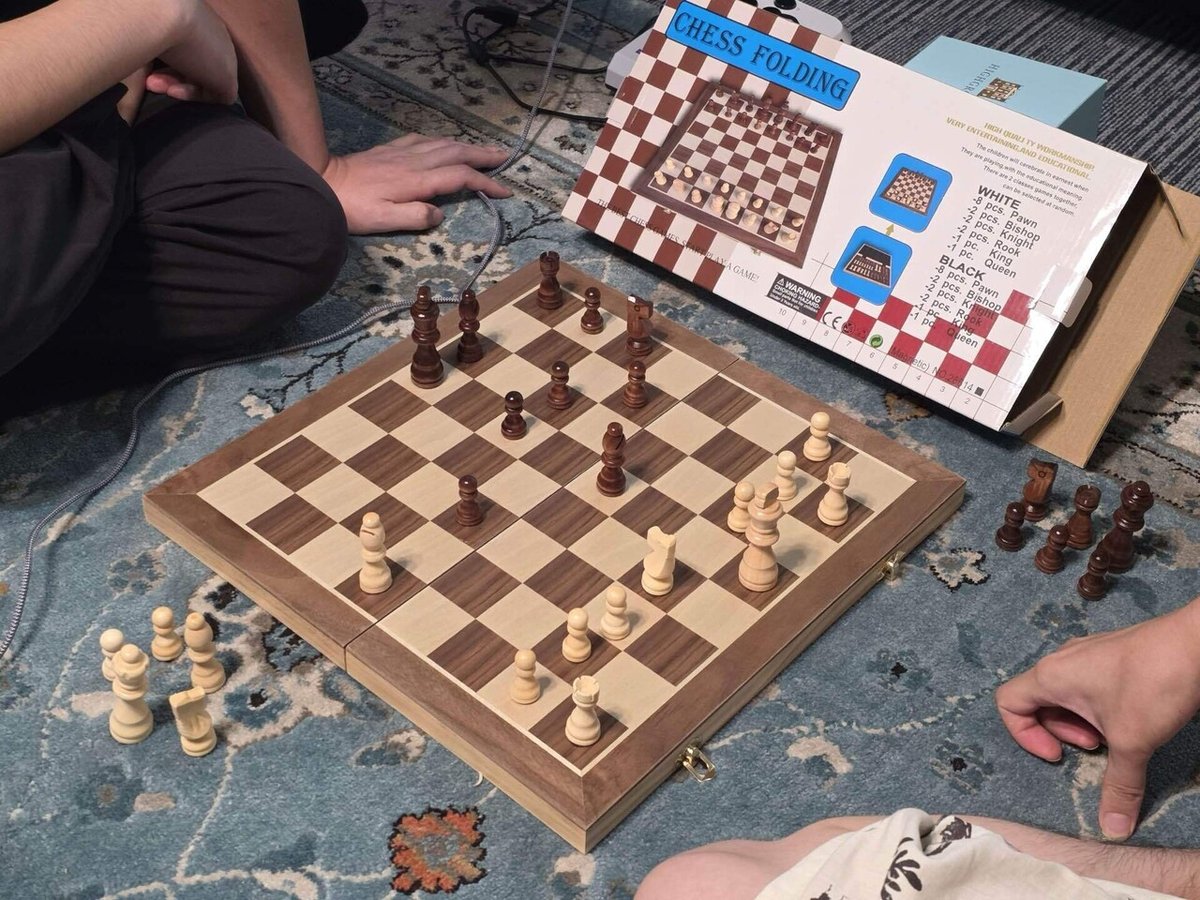
Lately, I've gotten hooked on chess, and I've been casually playing with friends. Watching us hunch over the board, groaning as we stare at the pieces, really makes us look like a bunch of old men.
I'd always known the rules, but there was a reason I finally decided to study the game more seriously. In Canada, I saw a group of elderly men who had turned a corner of a late-night café into an impromptu chess tournament, laughing and playing until dawn.
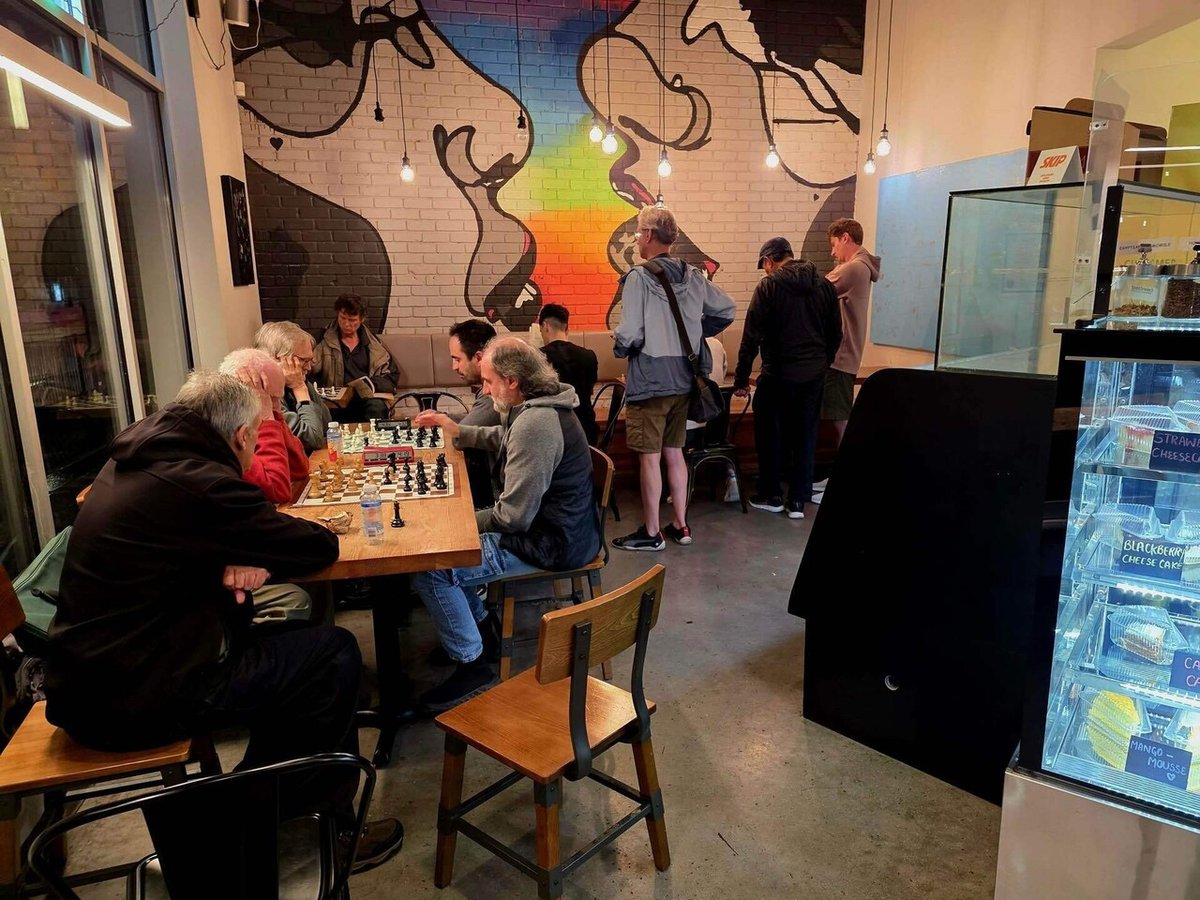
I remember thinking, That's the kind of old age I'd like to have.
Years ago, when I was walking through Nishinari, a homeless man called out to me, "Hey, want to play shogi?" Around there, it didn't matter who you were—if you happened to pass by, you'd play a game simply because everyone had time to kill. It felt oddly comforting, like the Pokémon world, or children casually challenging strangers at a playground.
With chess, you can have that experience anywhere in the world.
Even on a solo trip to Canada, late at night, if I'd been reasonably good at chess, I might have been able to slip naturally into that circle. People there are open to that sort of thing. Unfortunately, against players as serious as they were, I wouldn't have stood a chance.
At the very least, I'd like to become good enough to stand behind them and understand what's happening on the board. As I continue traveling around the world, I think it would be wonderful if chess could become a way to strike up spontaneous conversations.
Changing the subject, unlike shogi, captured pieces can't be reused in chess, so both sides often run out of attacking power in the endgame. Draws are common. When my friends and I first started playing, we often couldn't find the decisive move, and our games dragged on endlessly.
Chess has an incredibly elegant way of resigning. You gently tip your king onto its side. It's like a formal declaration of surrender, and somehow it feels satisfying for both players. You're saying, I could drag this out a little longer, but I understand that I've already been outplayed, and there's no point in pretending otherwise.It's a deeply sportsmanlike gesture.
There's something admirable about knowing when to concede and accepting defeat with dignity. The simple act of laying your king down feels quintessentially chess.
What's fascinating is that when your opponent resigns gracefully, you can't help but think, That was dignified. That was cool. Their calm acceptance almost makes you feel as though you've lost something yourself. If this were a battlefield, I'd order my soldiers to treat their captured men with respect. Looking down at the fallen king, I'd think:
"A noble man..."
Human beings possess a certain beauty in knowing when they've been defeated.
And somehow, you come to understand that spirit across a black-and-white chessboard.
Comments (7)
Leave a comment