


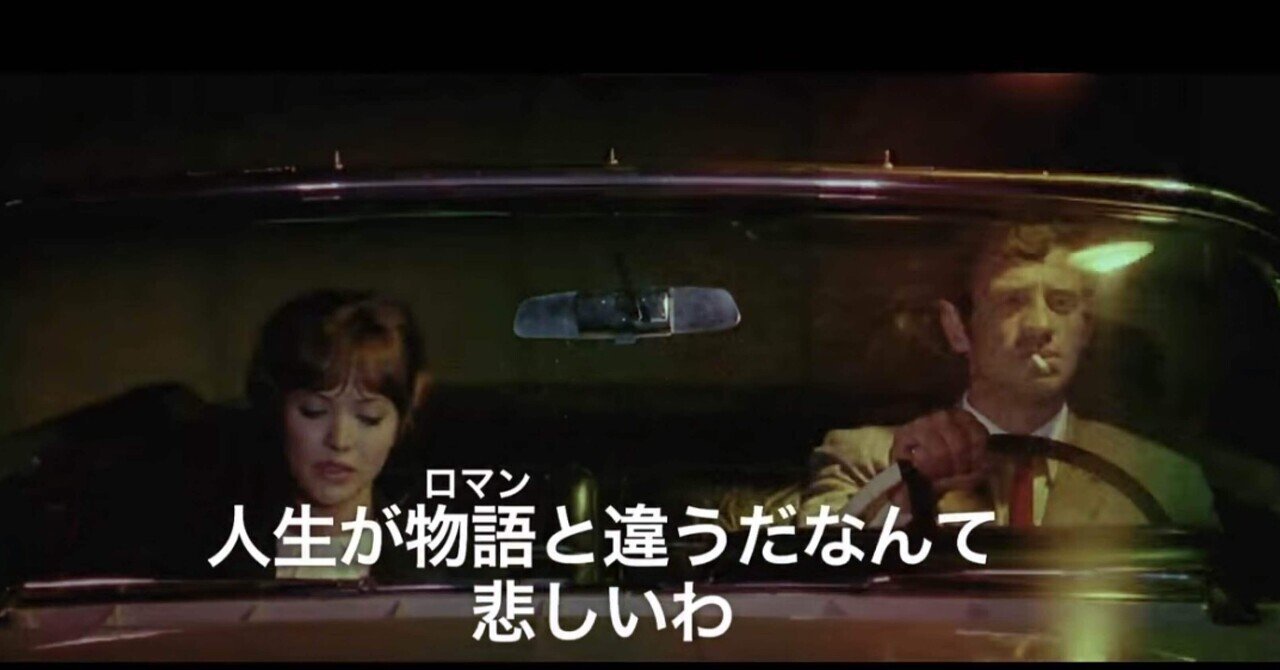
“It’s sad that life is not like a story.”
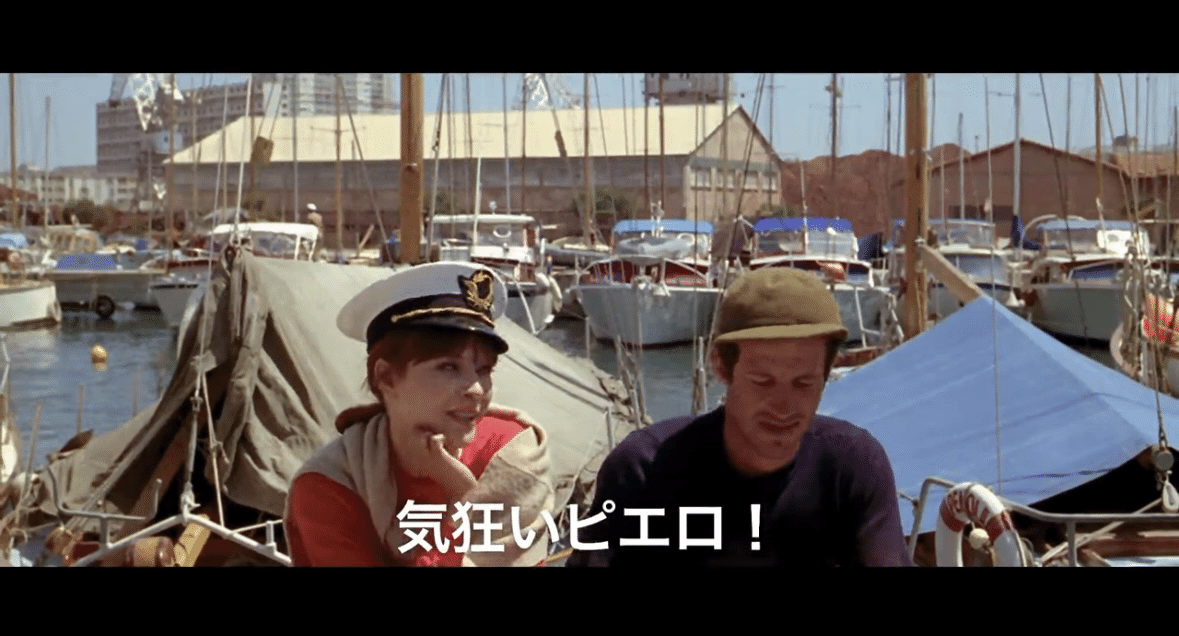
Let’s talk about Godard’s Pierrot le Fou.
I write exactly what I feel from the films I watch. It’s not “criticism,” no matter what. I’ve never written lofty criticism, nor have I ever wanted to. I simply tap away on my phone, absurdly, outputting the words that drift through my head and polishing them ever so slightly. It’s closer to poetry. Yet not pure enough to be called poetry. Perhaps that’s why I ended up writing lyrics. In this film, after all, language itself is treated as pure essence. The protagonist, the mad Pierrot, keeps a diary without fail. I write a diary every night as well. No matter how invisible or lonely one’s true nature may be, the words written in a diary remain pure.
This film—or rather, most of Godard’s work—is something you watch through its colors. If some snobbish film buff starts talking about Godard without mentioning color, you may as well cover your ears immediately. Then again, my own diary is merely the obsession of a sick man.
This film is Mondrian and Van Gogh. That is why red, blue, and yellow are scattered throughout the frame, and why all we see are the lonely yet beautiful landscapes of southern France. It is a fusion of the world of painting and Godard’s longing for the femme fatale he sought. Because that balance remains within the bounds of comprehension, this film is both Godard’s most famous work and the one most often called his masterpiece. By the time you reach Week-end, comprehension itself begins to be rejected. Here, Godard’s aesthetics and the conventions of cinema are locked in a delicate struggle, barely maintaining equilibrium.
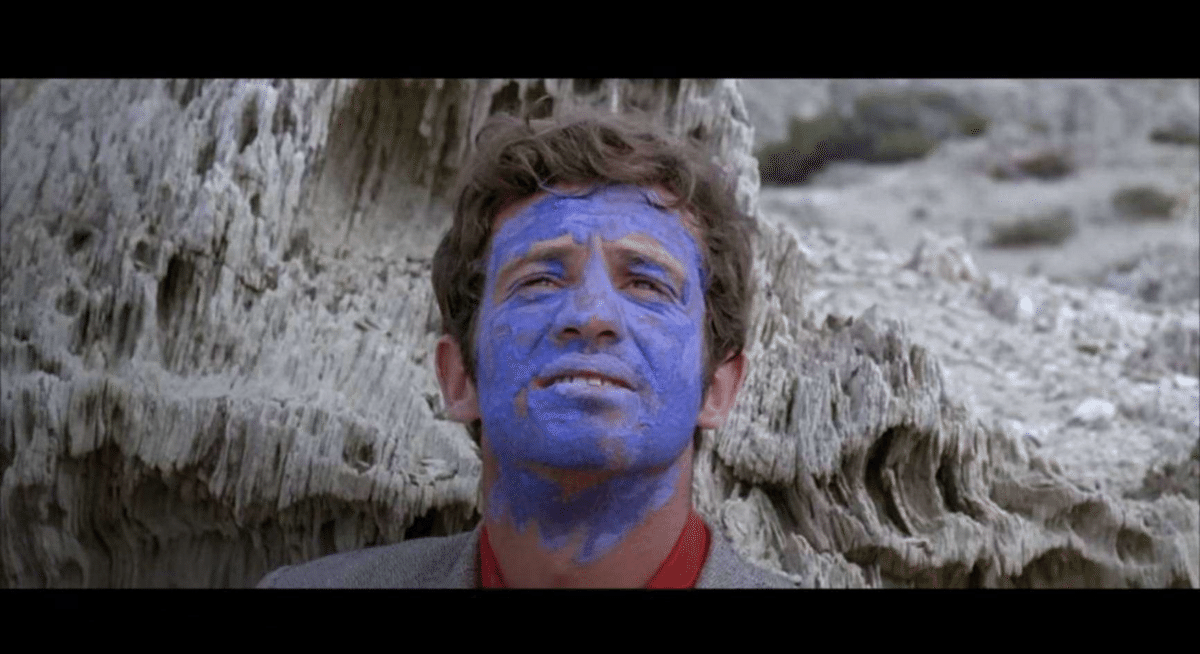
It is the objective peak of beauty, and everything afterward enters the realm of madness. That is precisely why it is wonderful. One cannot reach such heights while always staying safely within the line. It is Godard’s equivalent of David Lynch’s Blue Velvet—a miracle balanced on the edge.
If you watch while thinking about Godard’s sense of color, the meanings he assigns to colors, and Mondrian, then by the end, meaning naturally follows afterward. When a man pushed to his limits, dressed in a red shirt, obtains dangerous yellow dynamite, of course he ends up painting his face blue like a clown. In fact, Godard explicitly discusses Mondrian in another film—but I won’t tell you which one yet. I’m not kind enough to hand over one of the answers I happened to discover so easily.
He saw “life” in a woman who lived with such reckless freedom, and within the words he spun into his notebook, he came to dream of “eternity.”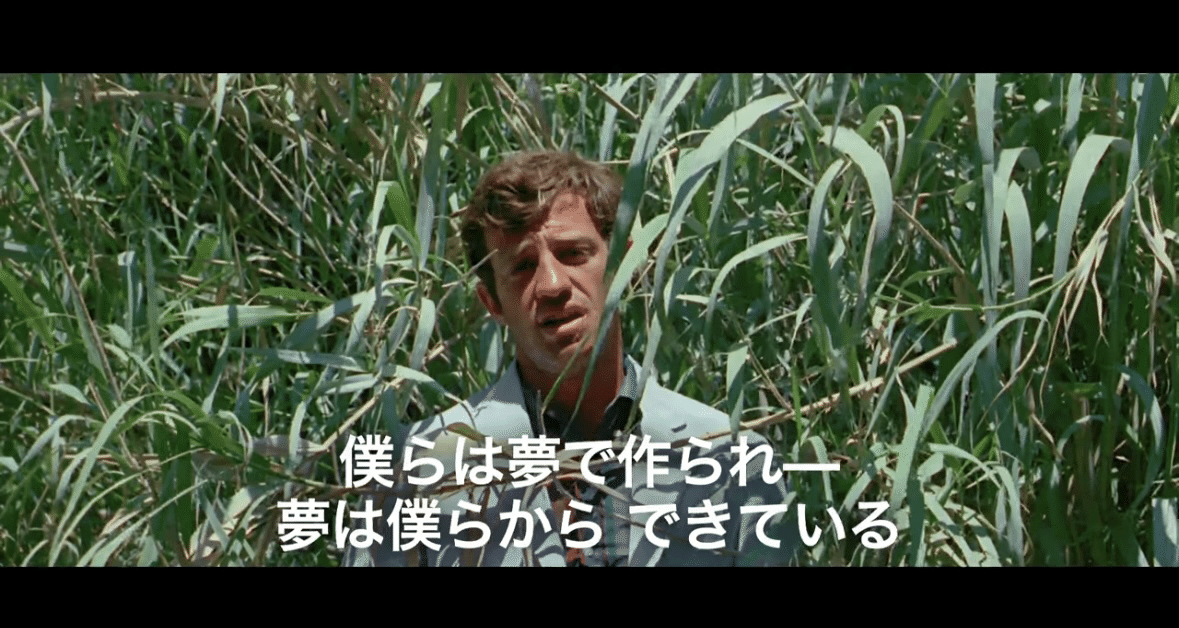
We are made of dreams, and dreams are made of me.
In this film, it becomes impossible to tell where dialogue ends and poetry begins. That is because the two mean the same thing. Every answer is presented plainly. From the very beginning, the characters speak to us in the form of poetry. All we need to do is follow their poetic drama while gazing at the distinctive buildings and landscapes that color it. Nothing could be simpler.
Just as people drifting through dreams can never arrive at definitive answers, this film contains no definitive answer either. The collage-like editing that abruptly cuts from one scene to another—so revolutionary at the time that audiences struggled to accept it—is nothing less than the logic of dreams themselves. Fragment after fragment of dreams appears before us, each embedded with ideas, assertions, sorrow, and purity. The audience simply gathers those pieces and connects them on their own. I can even understand why Mamoru Oshii calls this “the essence of cinema.”
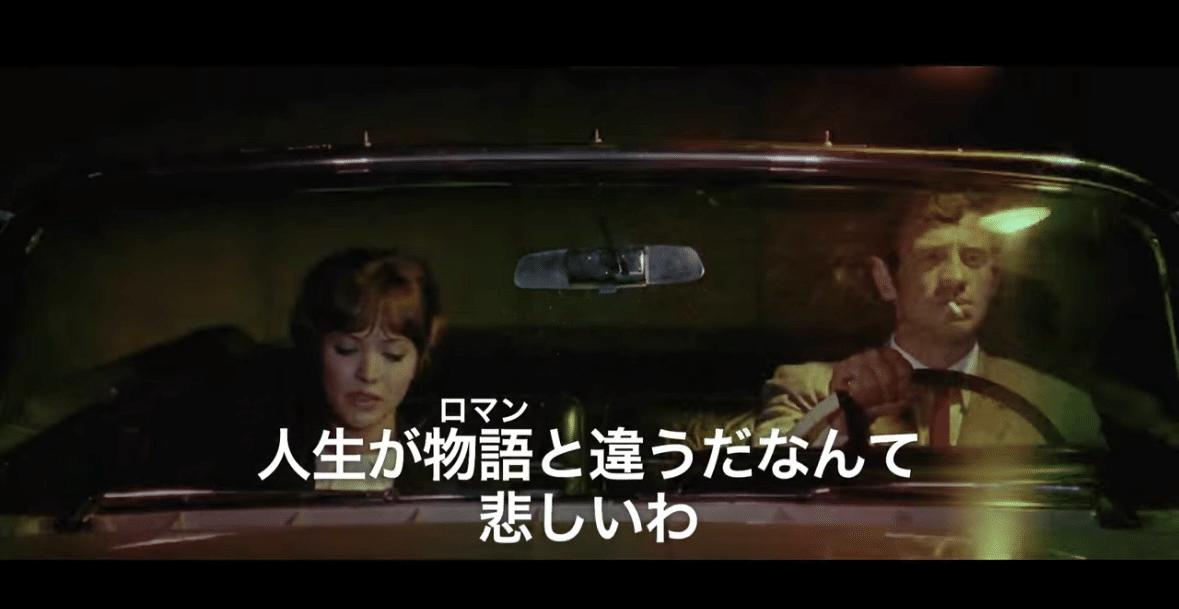
So let us simply watch the light reflected in a car windshield. It is a beautiful light. Life is neither a story nor a movie. Yet this image undeniably exists within a film. Godard returns to this theme again and again in his other works.
And in the end, the film closes with a poem by Rimbaud. It is the romance—the story—of a mad Pierrot who danced so that everything might end with beautiful poetry and the sea.
Elle est retrouvée.
Quoi ? L'éternité.
C'est la mer allée
Avec le soleil.
Comments (0)
Leave a comment
No comments yet. Be the first to comment!