


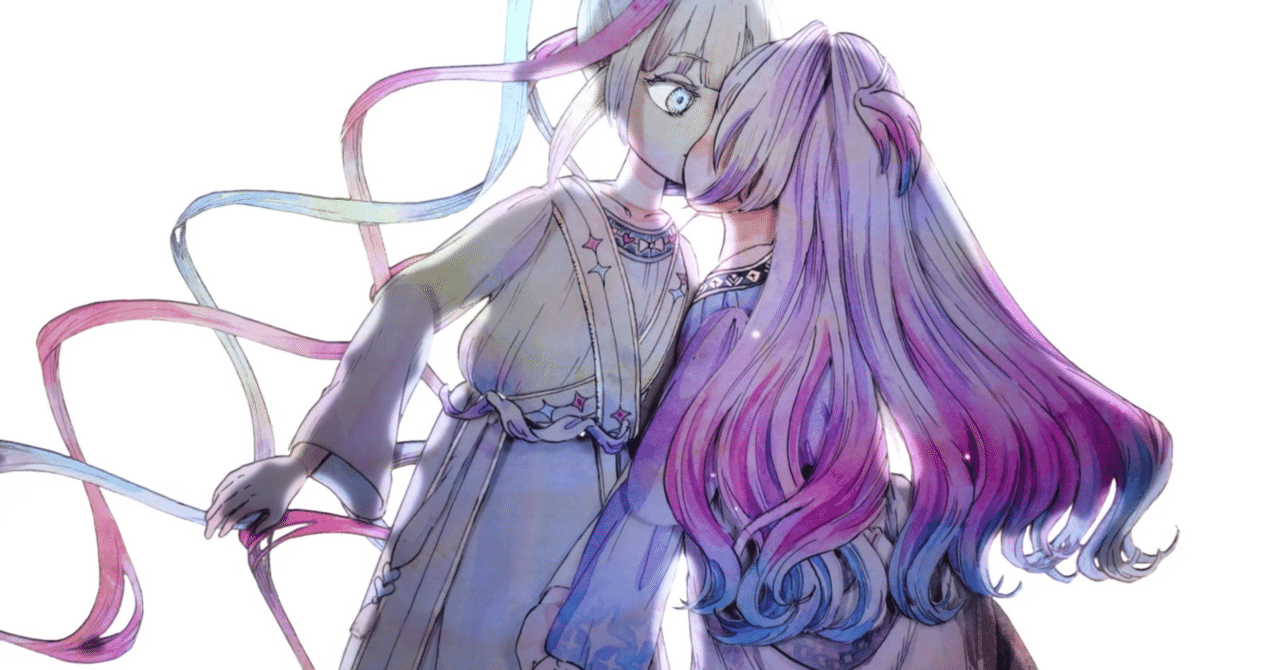

Previous episode above.
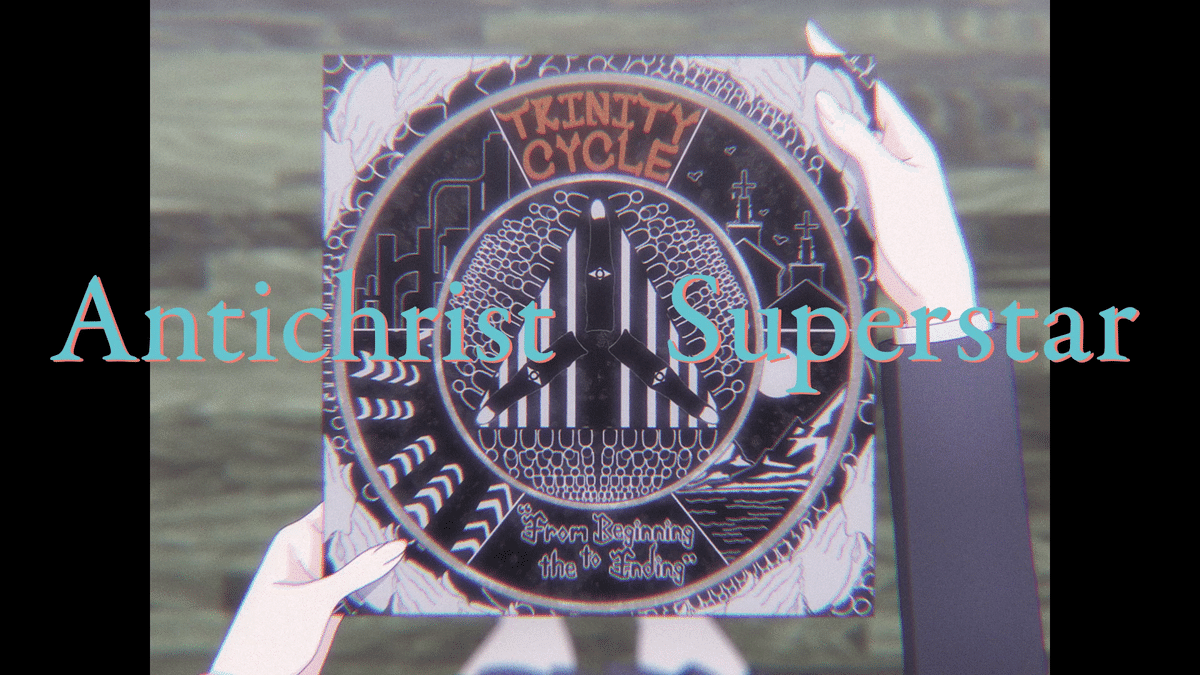
“Antichrist Superstar” — the hero of anti-Christian rebellion.
The references to Marilyn Manson and rock ’n’ roll that have been scattered throughout the series since Episode 1 were all leading here, to this title.
Manson’s rock and gothic aesthetics were born from questioning the school system that used Christianity as a tool of “education.” As someone who likewise hated being “educated” and drifted away from the classroom, he was the greatest superstar in the world to me. If it’s for the sake of art, I’d like to be the kind of man who could throw burning Bibles into the crowd during a concert.
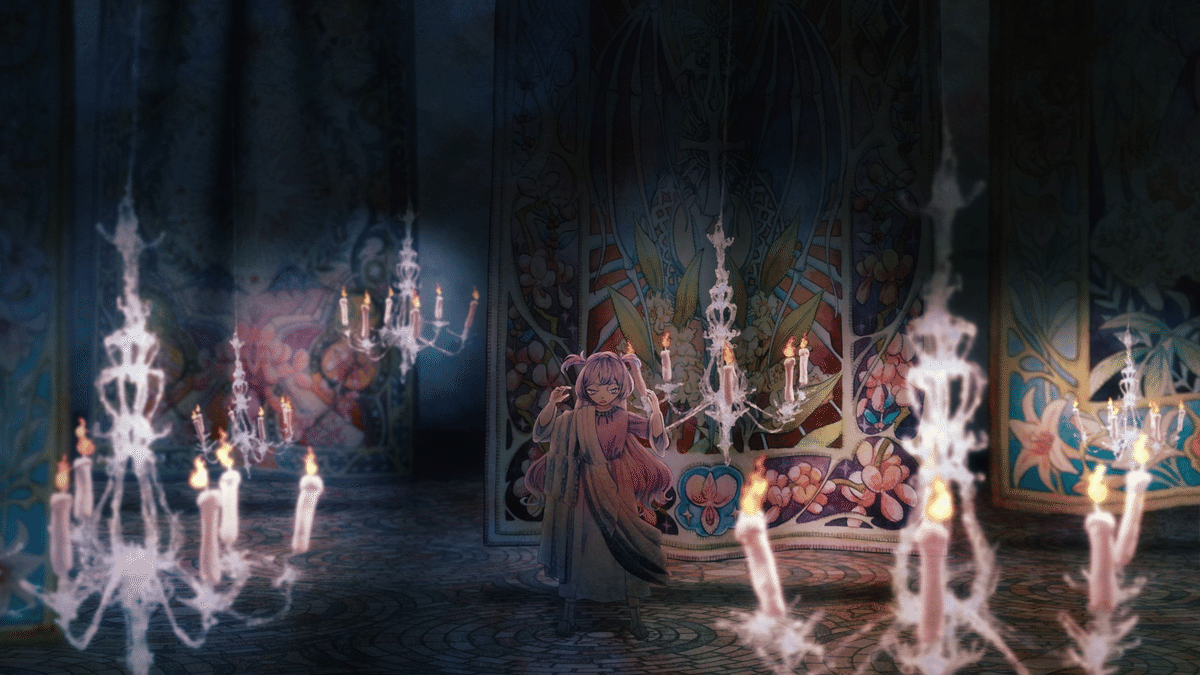
I’ve watched the Paper-cutting sequence of A Hurried Appeal” over and over again.
We went through endless trial and error. Most of it was awkward and fell short of what we wanted. But this cutout sequence is exactly the kind of “visual art” I dreamed of creating. Knowing that we managed to write a story that could lead to this scene makes everyone involved feel rewarded.
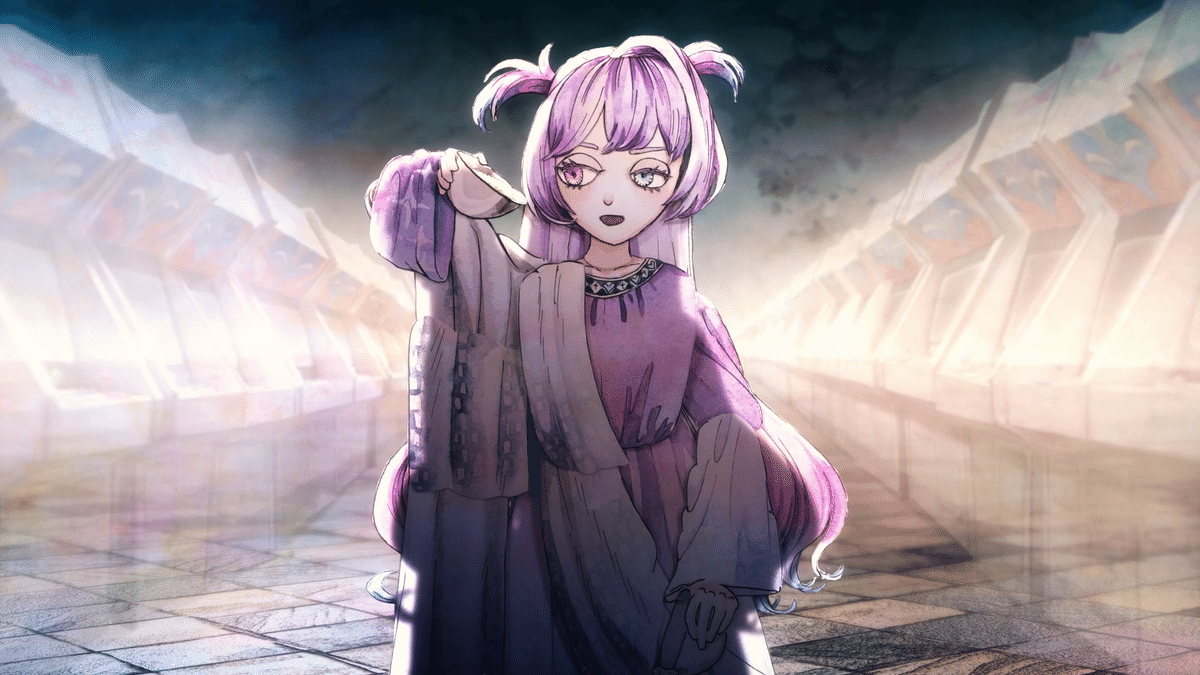
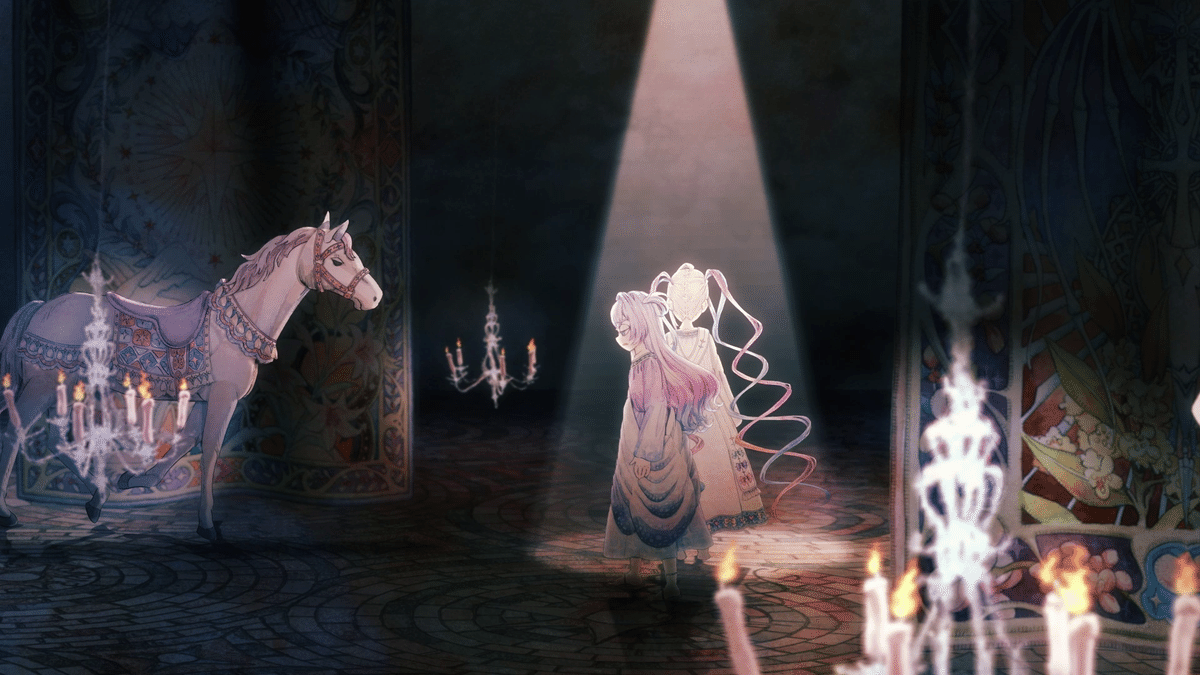
In fact, Lollipop had been talking about Judas as a motif since Episode 1, but because the anime is so bizarre, hardly anyone picked up on it. The early episodes felt almost like random rambling, partly because the direction was still finding its footing, which is fascinating in its own way. Episode 6 referenced Judas much more directly, but that episode was so unhinged that most viewers overlooked the Christian elements appearing throughout the series. Overseas viewers were often the ones piecing those clues together.
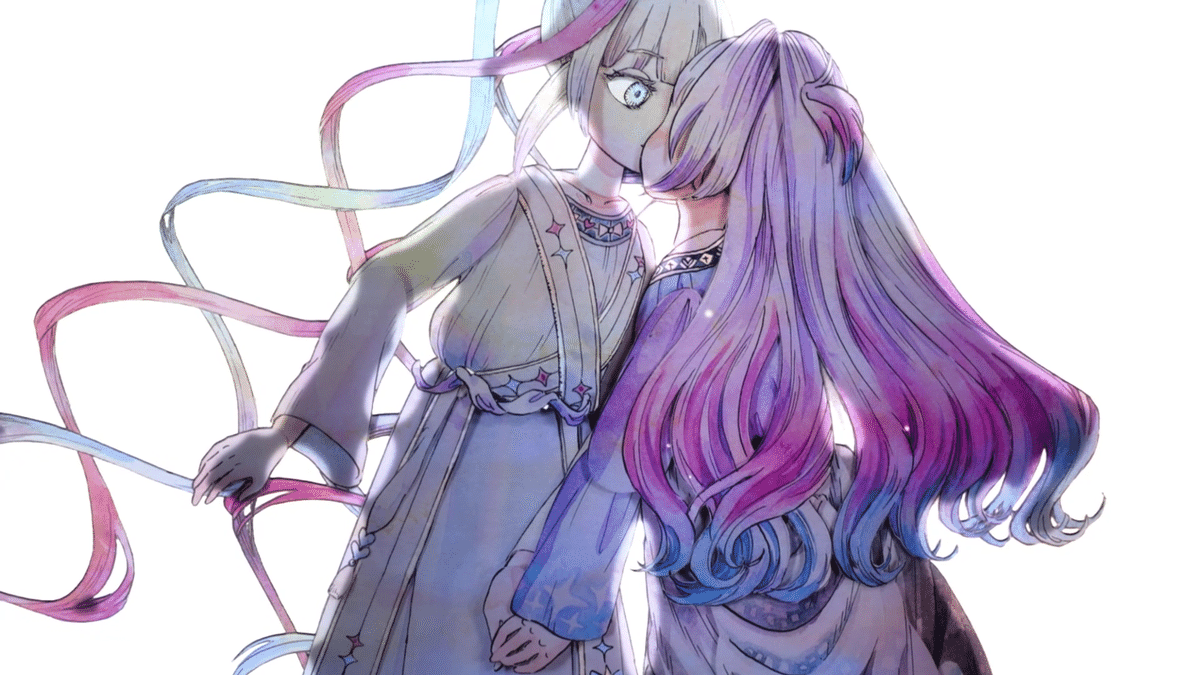
The Kiss of Judas. You may remember it hanging quietly in the museum back in Episode 6.
The answer to the story had been appearing repeatedly all along, but because the show itself is so incomprehensible, it remained surprisingly hard to predict.
That said, by now I think viewers can understand how this anime sees KAngel.
And once again, thank you so, so much, Ririana Ōno.
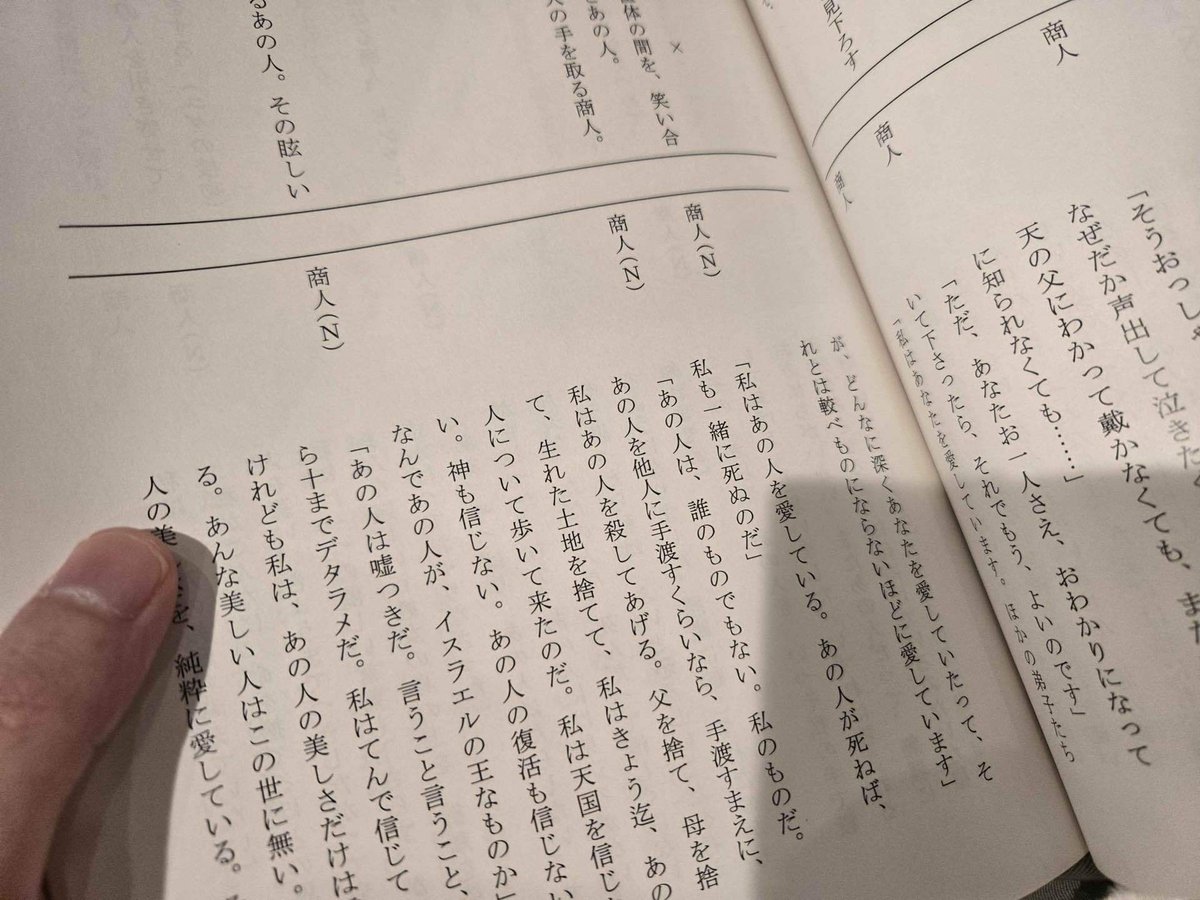
Figure adaptation confirmed!!!
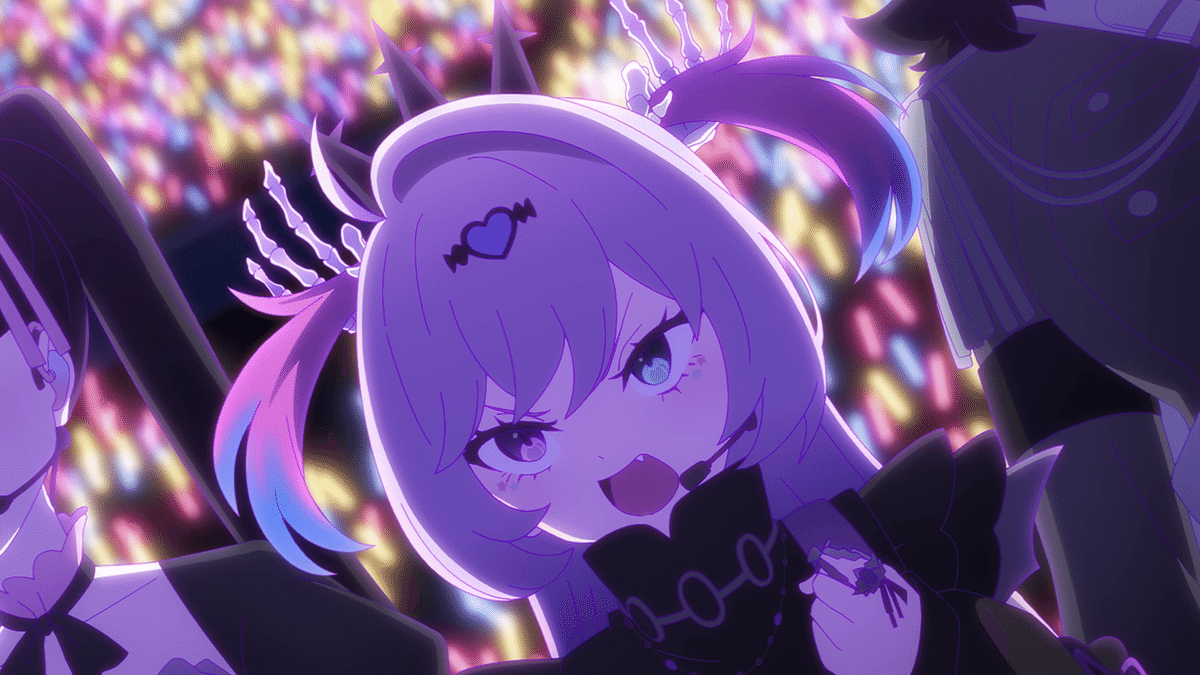
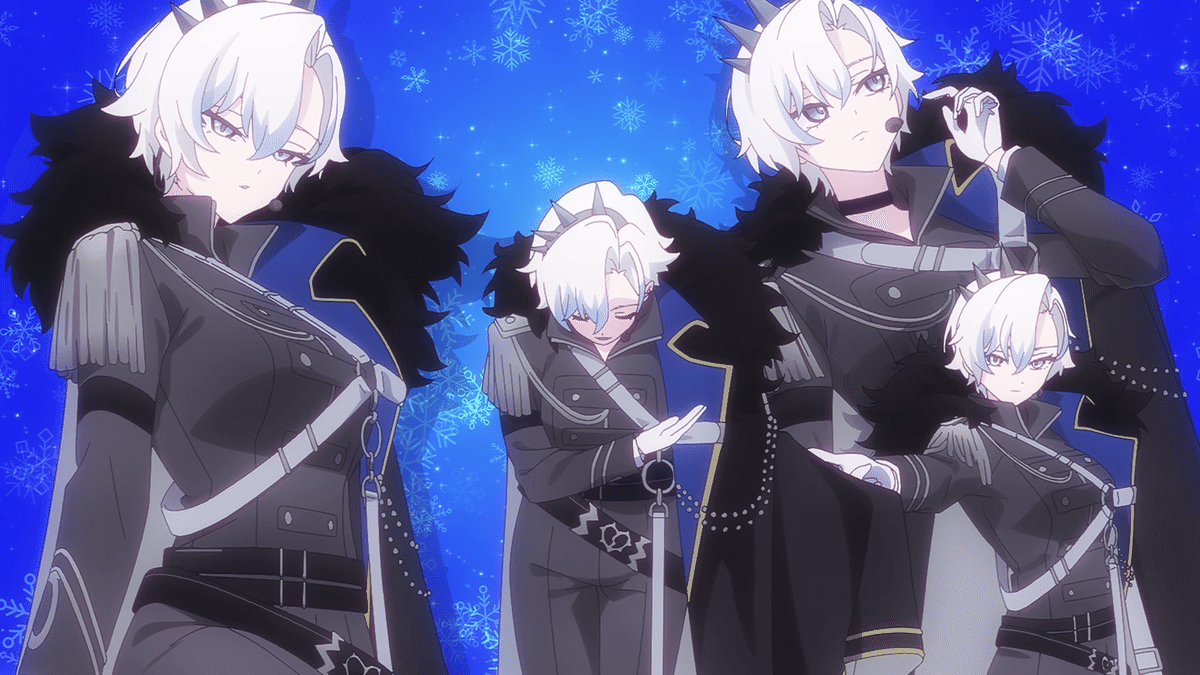
The confrontation sequence.
At its core, this series has always been built around the idea of “What if a girls' anime aired late at night?” So this form was inevitable. Without a dance sequence, it wouldn’t be a girls' anime. Since we already had a full-group song, we hurriedly created individual songs between Episodes 5 and 7. You have to establish the individual characters before bringing everyone together in the final group number.
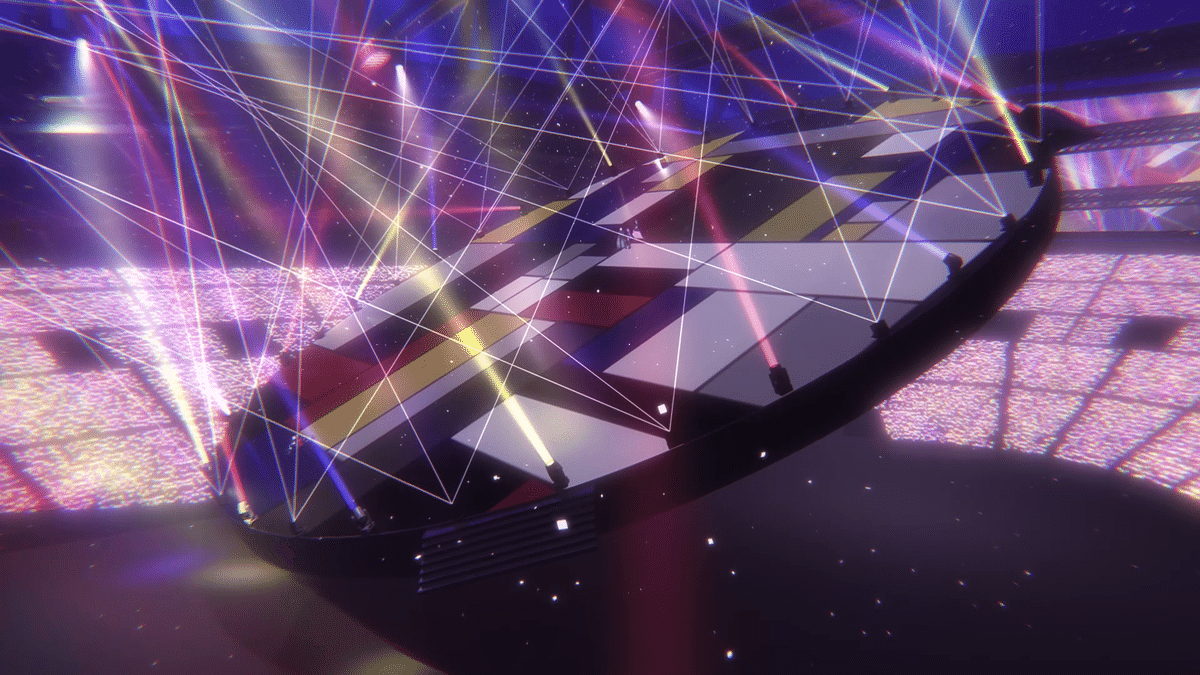
The anime had always blurred the line between reality and imagination, but from this point onward, even I don’t know where that line is. To begin with, I never specified in the script where reality ended and imagination began. I never explained what the performance battle actually was, either.
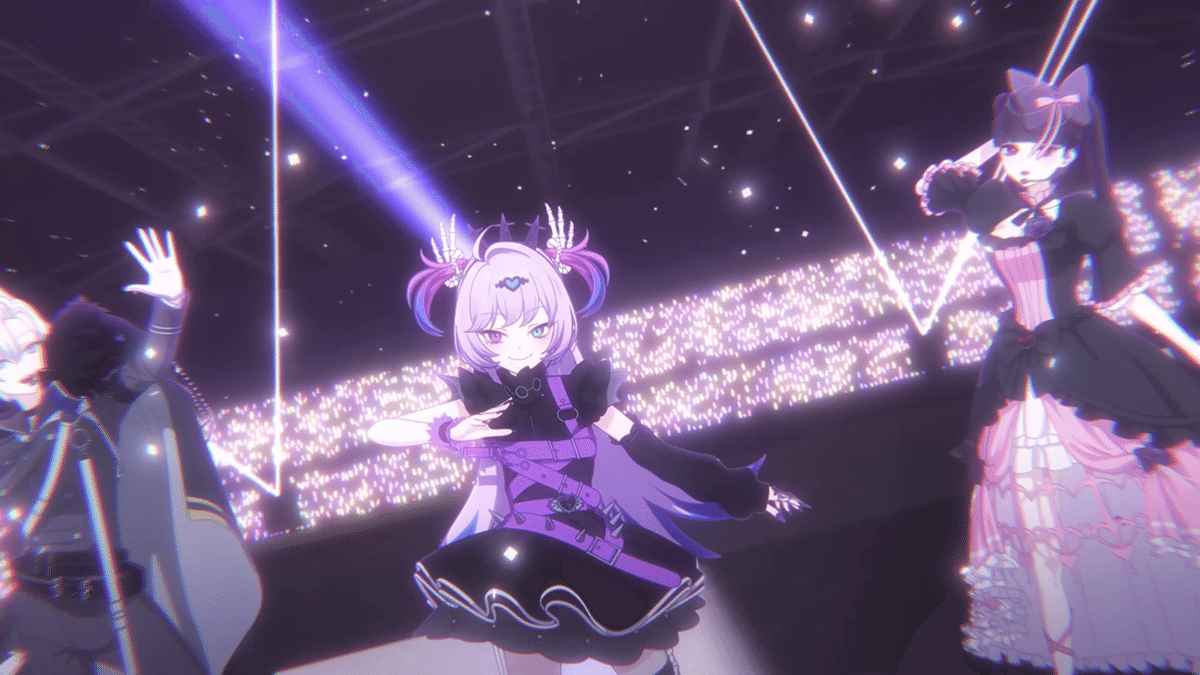
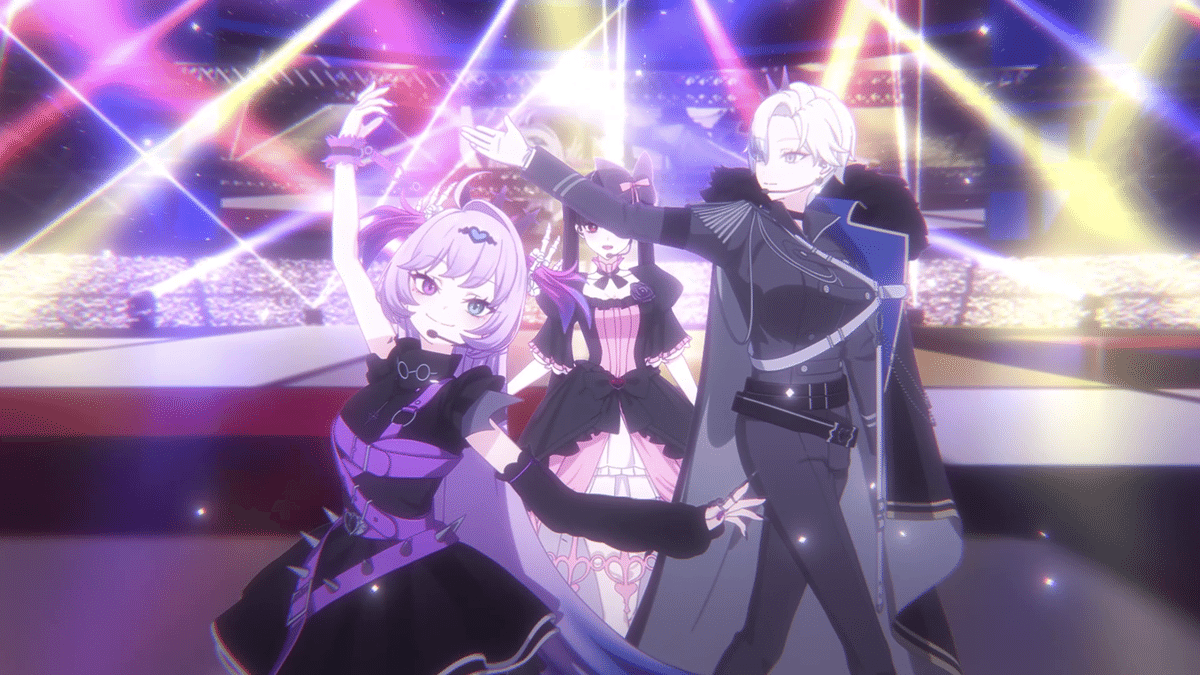
I was happy we got a dance sequence.
Even outside the girls' anime, this proves that if you throw absolutely everything you have into it, somehow you can make it work.
Just before recording this episode, I happened to run into Shiina, the voice actress for Michika, while I was at Aniplex. She invited me to watch a rehearsal, so I sat with a few others and watched her practice Michika’s lines. I remember thinking, “She’s really working hard.”The funny part is that Episode 10 only gave Michika about two lines of dialogue, so all that rehearsal ended up not being especially useful. It was a little awkward.
“Silver30” is the song of the wicked merchant who sold Jesus for thirty pieces of silver.
The three performers recorded on separate days, which meant I directed the song three separate times. Because of that, it’s especially dear to me.
壊してあげる 酷い脳を(I’ll break your terrible brain.)
愛してあげる 優しい罪(I’ll love your gentle sins.)
焦らしてあげる 狂う罰を(I’ll tease you with maddening punishment.)
眠れるように take me under(So you can sleep, take me under.)
注いであげる 熱い毒を(I’ll pour burning poison into you.)
解いてあげる コインを喰み('ll set you free through the bite of a coin)
殺してあげる 時よ止まれ(I’ll kill you—let time stand still.)
Kiss of betrayal ─裏切りの口づけ(Kiss of betrayal)
(Loli pop Dance)
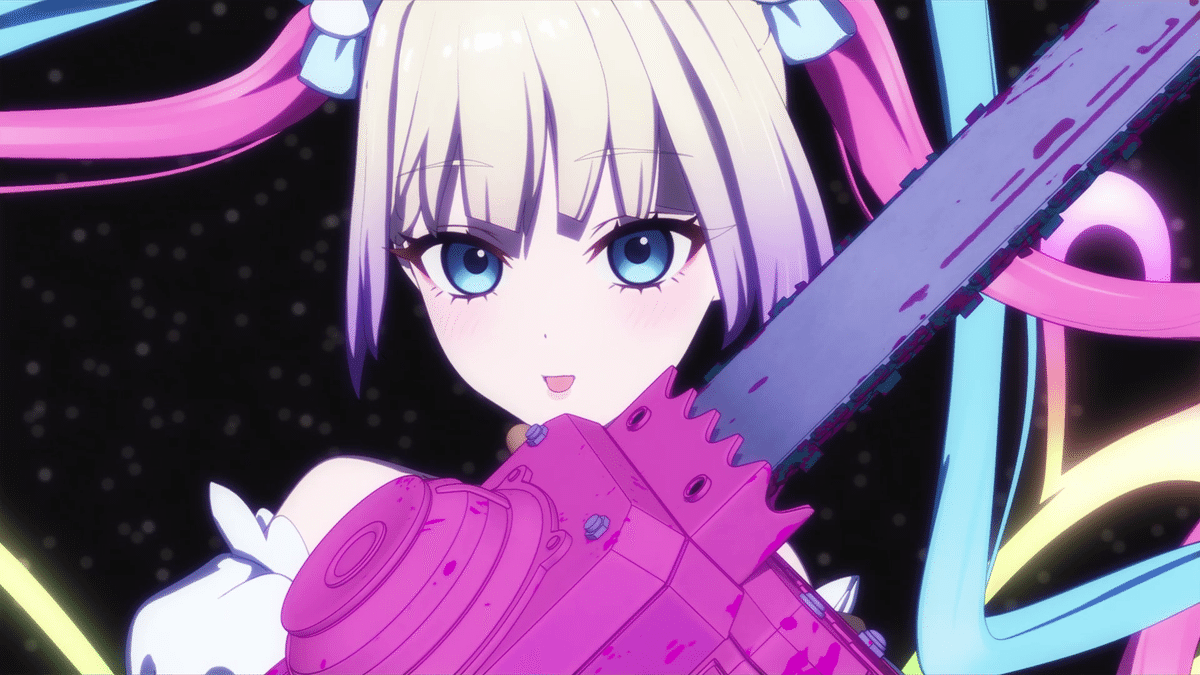
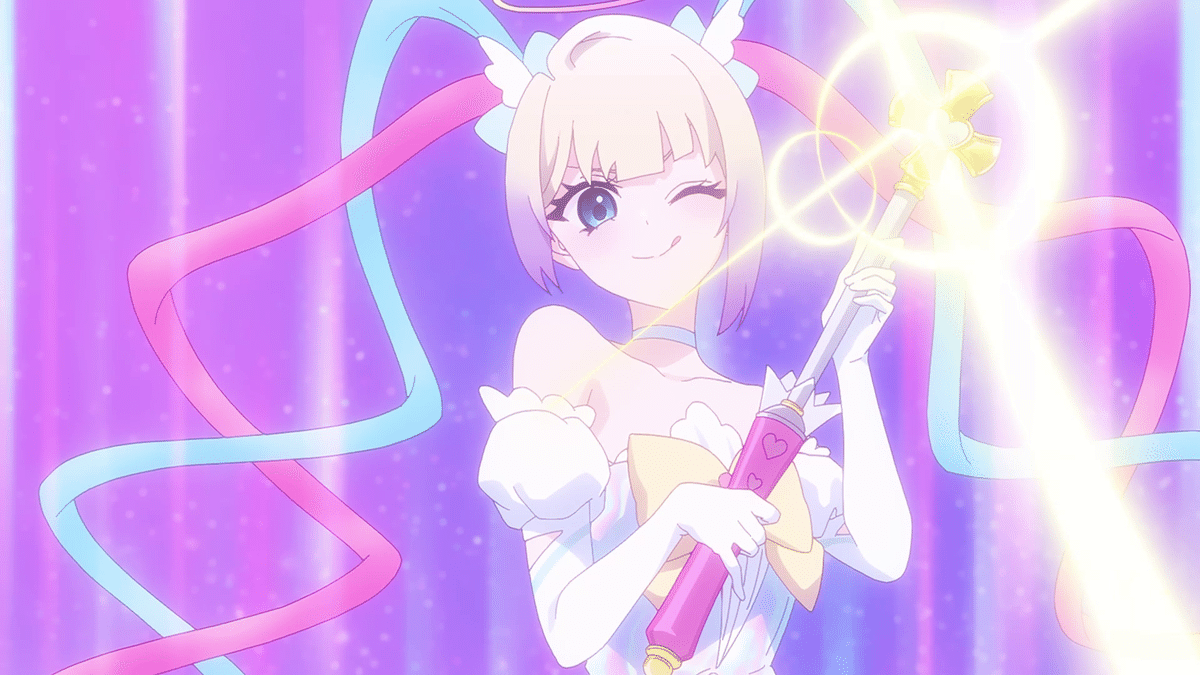
The costumes for this episode.
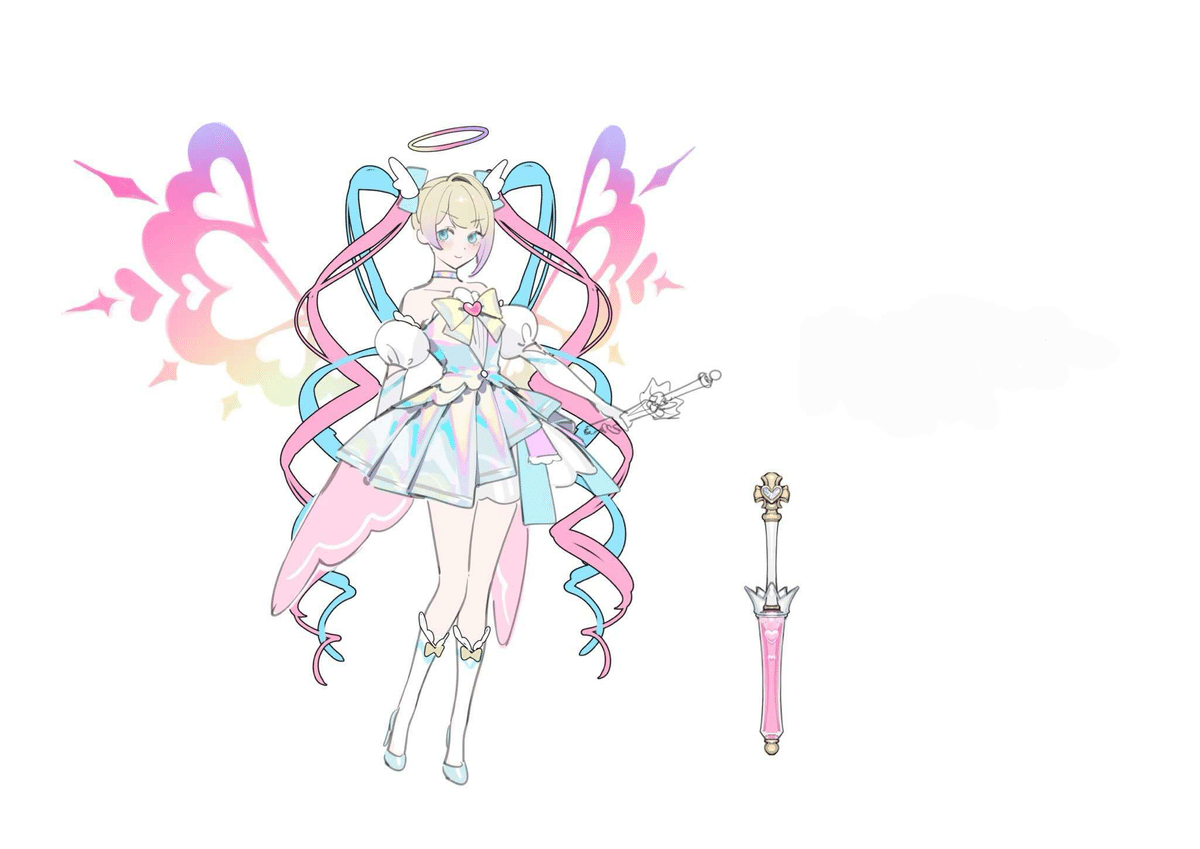
This was the culmination of Ohisashiburi’s character design work.
Just when they were saying they had already drawn KAngel enough times, we came full circle and ended up with a girls' anime outfit for the finale.
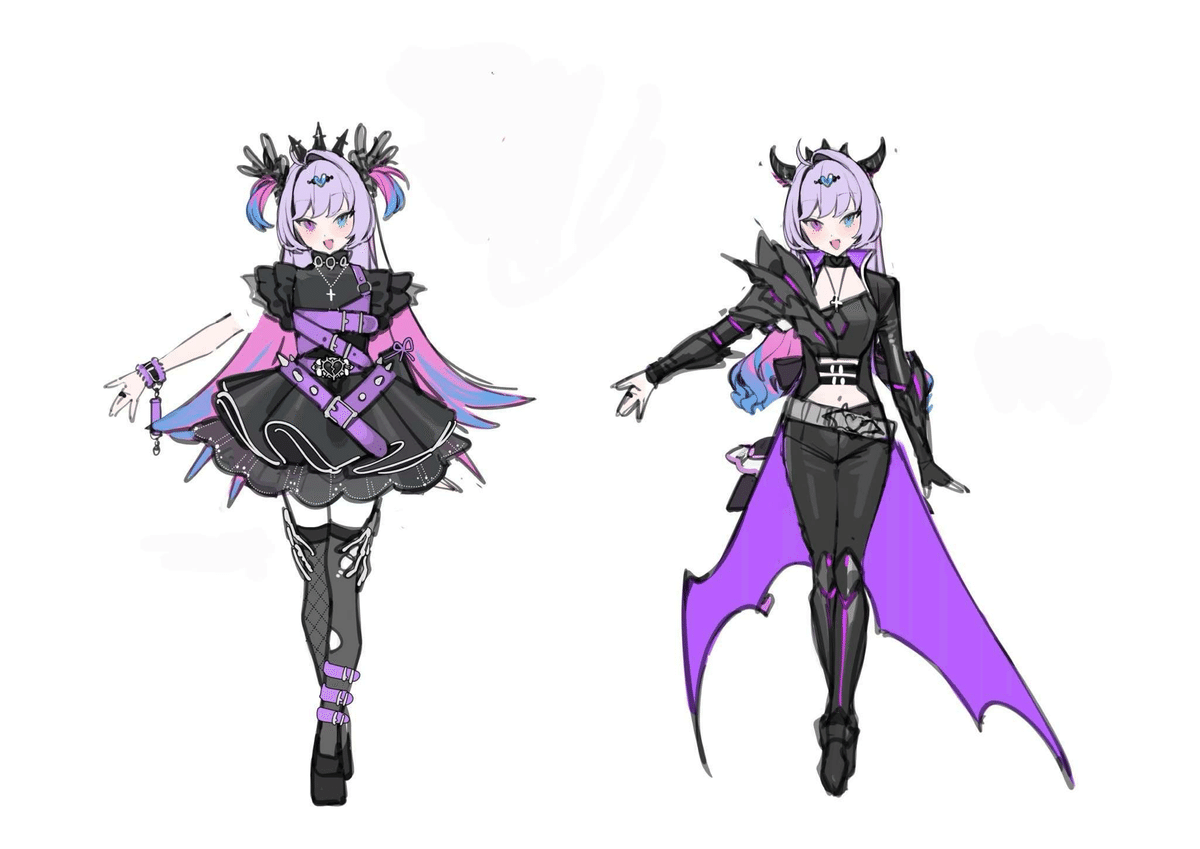
Meanwhile, LolliPop ended up looking more like a tokusatsu hero. The design on the right was rejected. It leaned far too heavily into my personal tastes—specifically Time for your extinction. And besides, toys aren’t just tokusatsu.
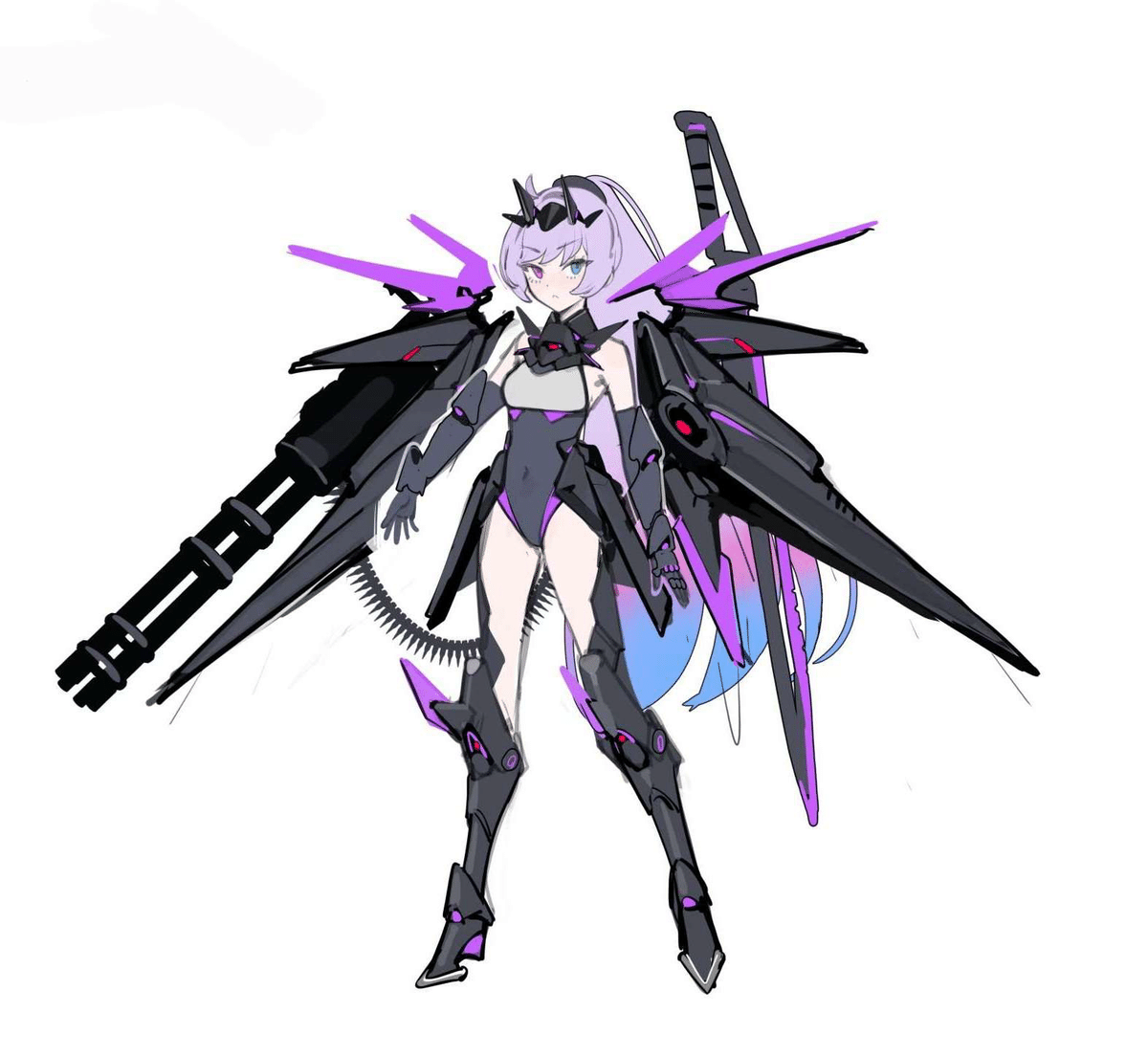
We also prepared a more mechanical design, even though Ohisashiburi doesn’t usually specialize in that kind of thing.
After all, she represents the sort of thing little boys become fascinated by.
This whole story was my own nitiasa battle. Girls' anime versus tokusatsu. The meaning of everything I’ve spent my life following.
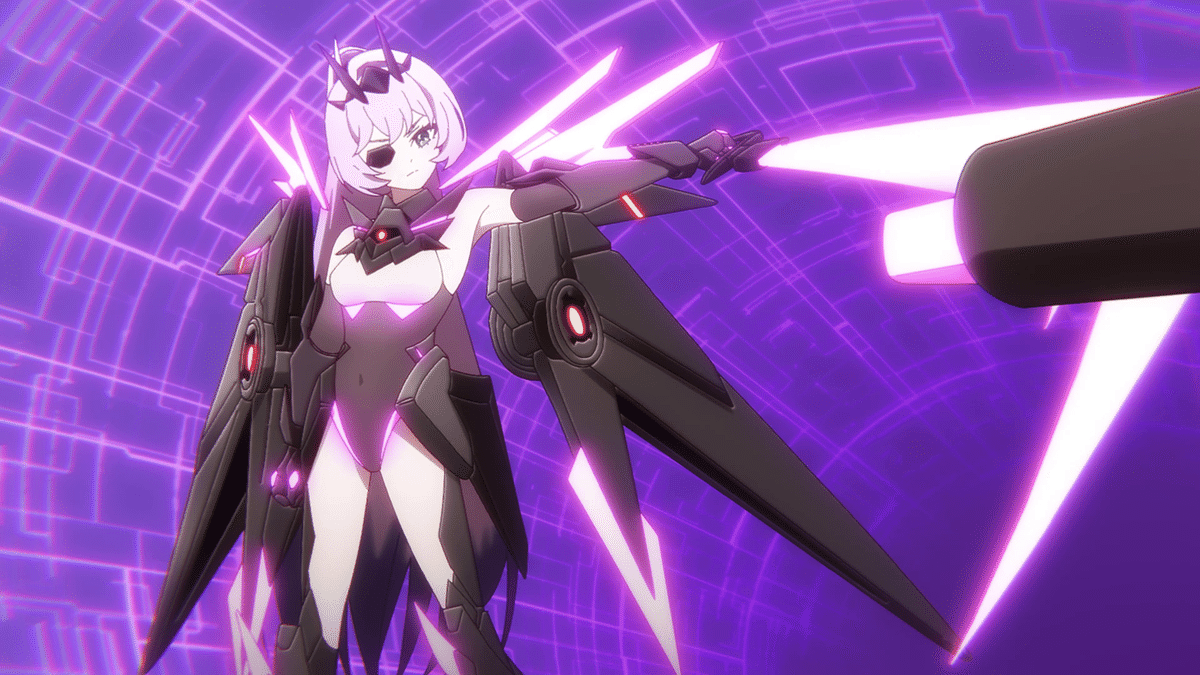
The way the battle ends is actually very simple.
It’s the same principle as Rei versus Yuda in Fist of the North Star—the singular moment that occurs whenever two beautiful things fight each other. The instant you recognize the beauty of your opponent, your heart loses. Strength and technique are secondary. The moment you become captivated by “the arc of Rei’s leap, like a waterfowl skimming across the surface,” you’ve already lost.
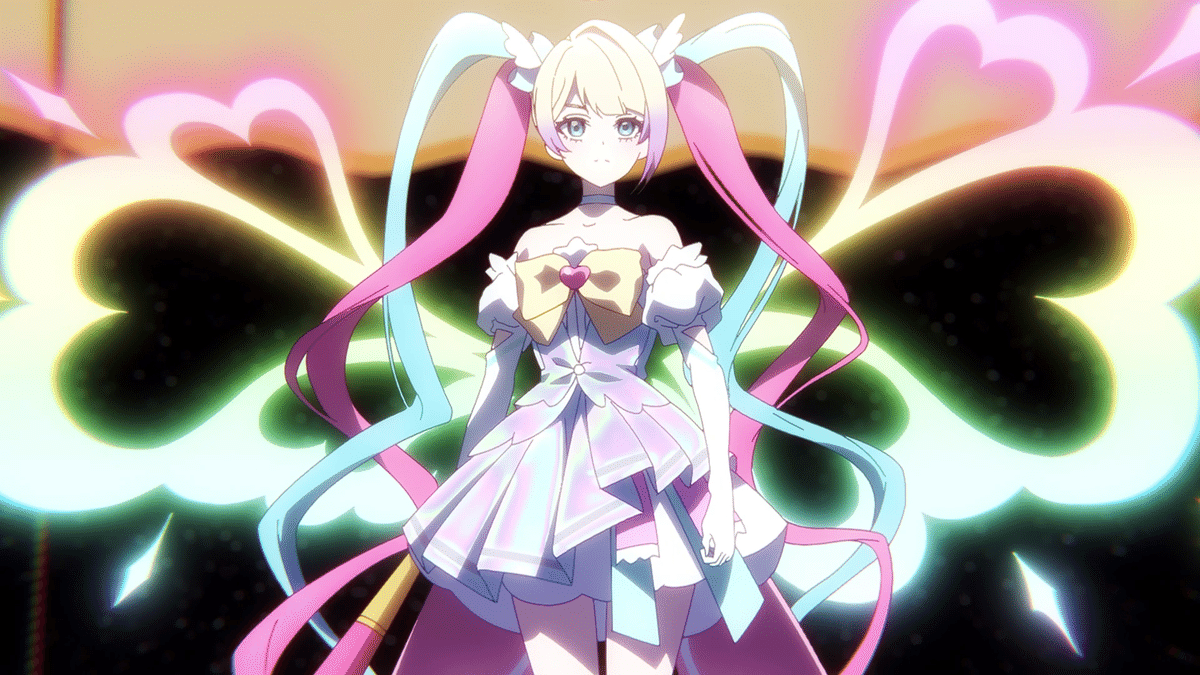
Now, about Angel.
In this anime, she is fundamentally “a god who became consumed by arrogance.”
At first, she truly wanted to be a bright light for the lost lambs of the internet. She took all suffering upon herself, like Christ.
But she became a being who lost anything resembling a personal self in order to absorb the expectations of the entire internet. That’s why she only ever speaks with detached wisdom throughout the series. We never really glimpse her humanity. If I had to point to a moment where we do, it would be Episode 3.
The “cute, poppy internet angel who occasionally says philosophical things” that everyone loved was already dead before the story began. Covered in everyone’s expectations and desires, she could no longer be called an angel.
The one thing preserving her sense of self was her lover, “P.” But even that imaginary friend was pierced through by LolliPop. From here on, KAngel must atone for the sin of becoming a god who stopped loving individuals.
This is because I want her to be allowed to rest.
The storyline of “passing the torch to original anime characters” is something only the original creator can write. So even if people hated it, even if the early episodes drove viewers away, I wanted to depict an angel whose only possible fate was to collapse beneath the weight of her arrogance and responsibility. This is one possible ending to self-harm and substance abuse. Michika exists to portray a more approachable version of that same poison. Amid all forms of dependency, the god who sacrificed herself to become the internet’s deity had to be killed.
Please. Let her die.
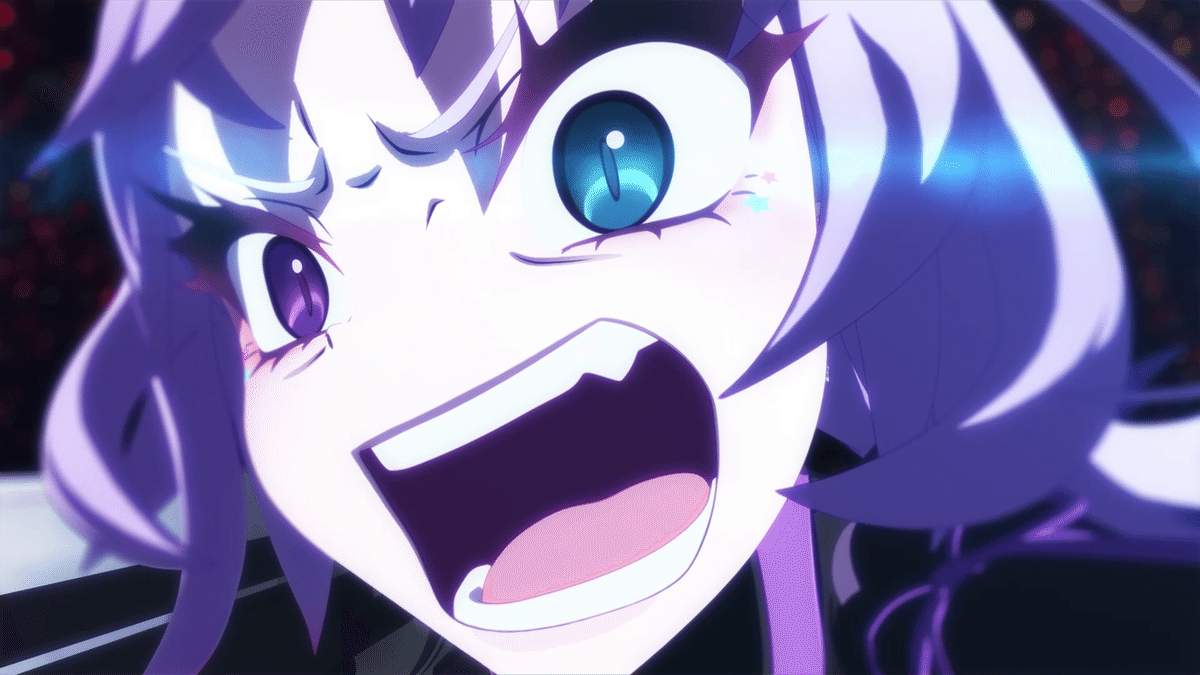
That burden had to be entrusted to LolliPop. To the bearer of Russian literature. To the bearer of sin and punishment. To Judas. To the ultimate rock ’n’ roller. To the Antichrist Superstar. That was the story all along.
Why was she the one capable of killing an angel worshipped across the internet?
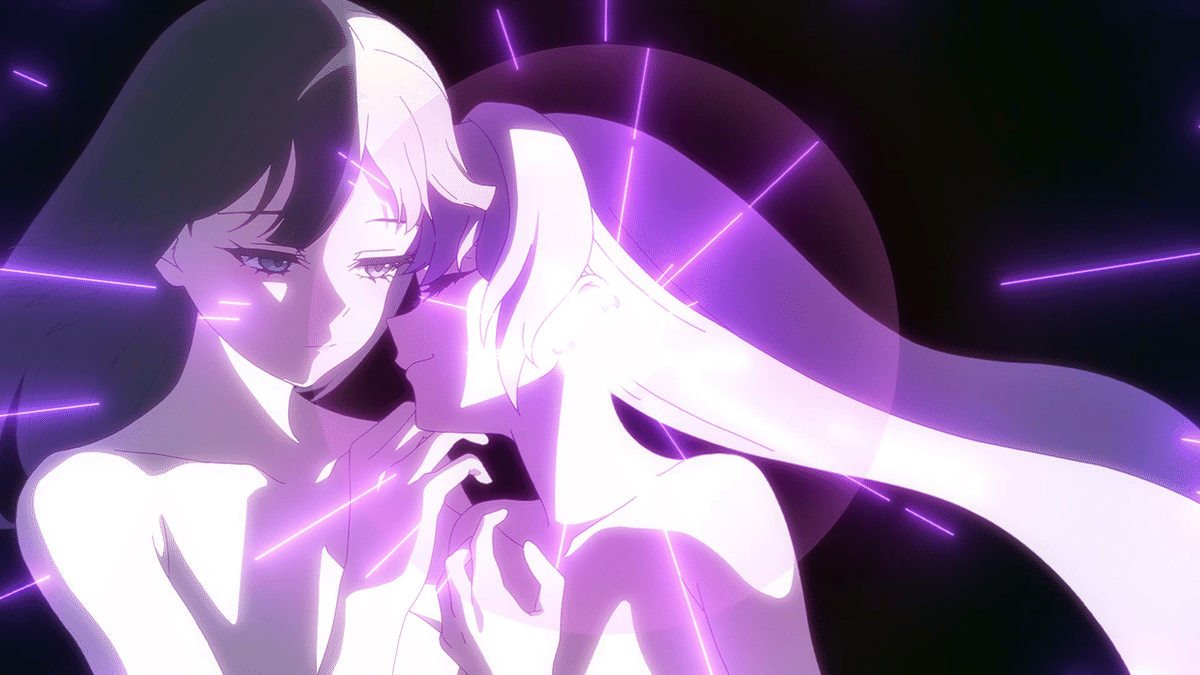
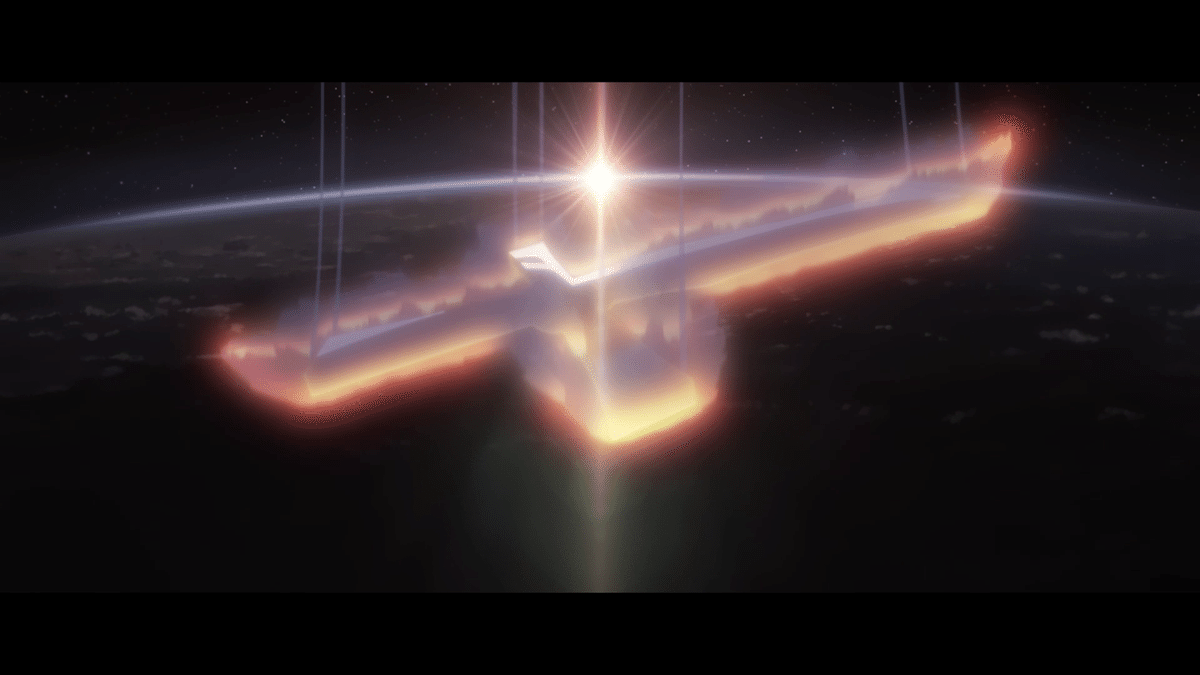
The instruments of judgment delivered to the closed-off god were the accessories given to her by her companions.
Michika’s inverted cross pinned the angel in place. Kache’s earrings became sacred needles piercing both of her arms. Nechika’s ring transformed into a spear driven through her heart.
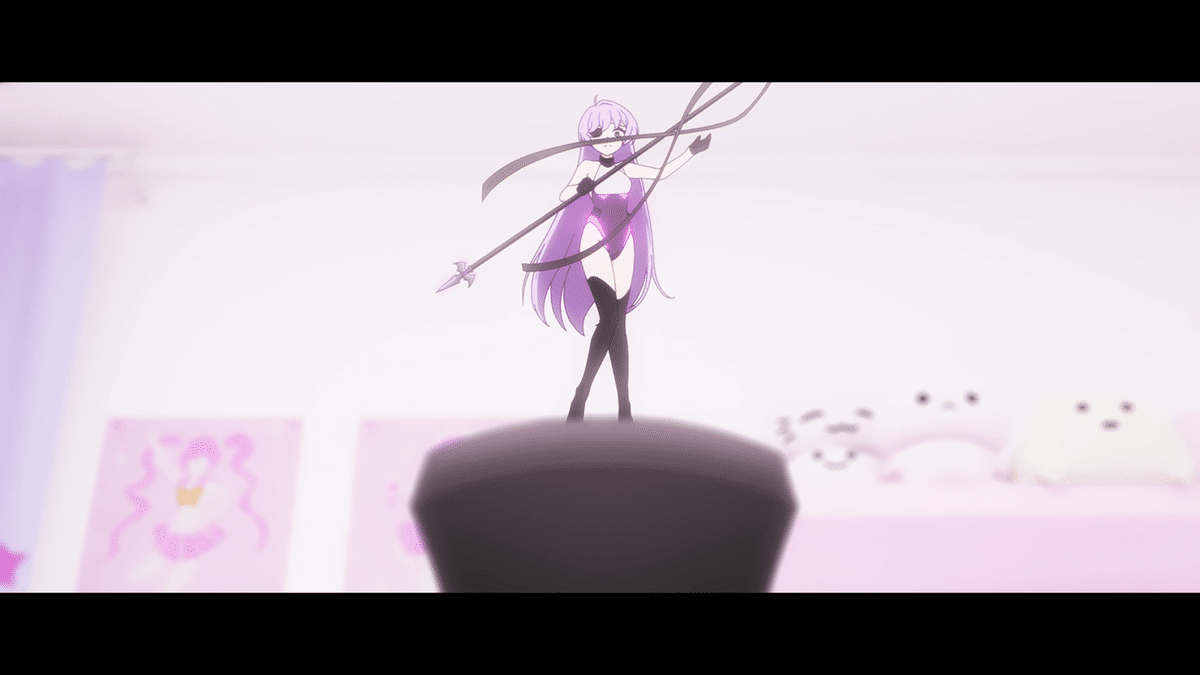
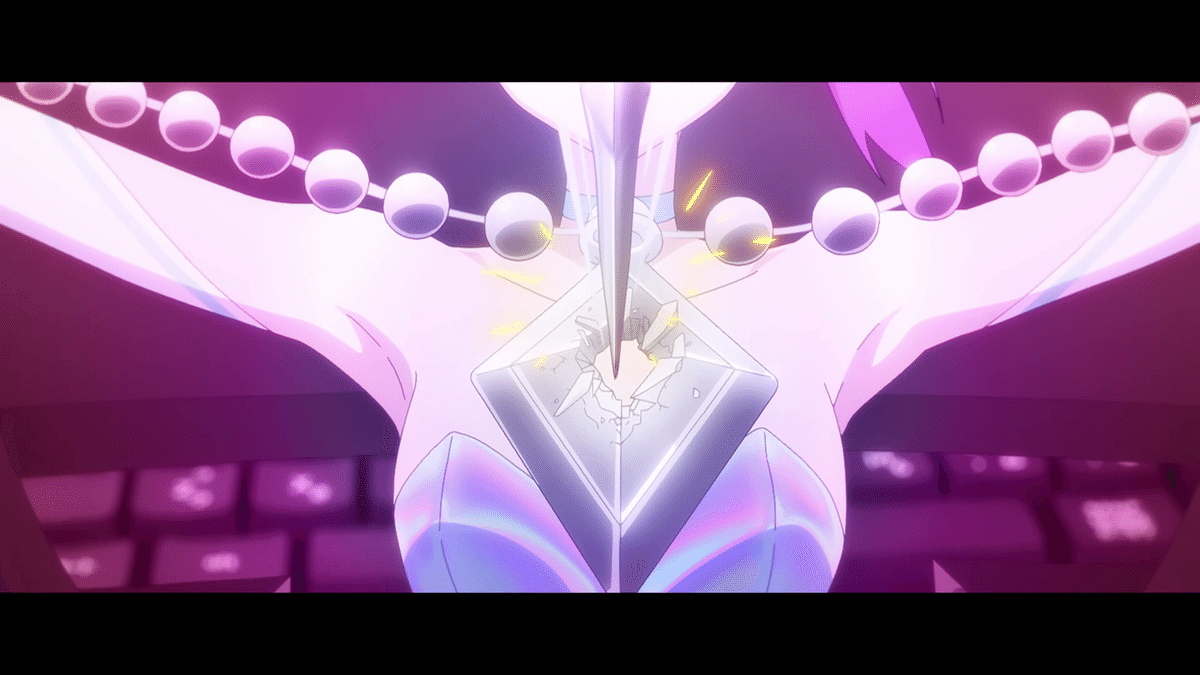
And so, the mad god who tried too hard to love the entire world and lost the ability to see individual people was pierced through by a lowly merchant who worshipped her beauty more than anyone else.
The Holy Trinity punished her sealed-off world, where she lived with an imaginary lover.
In every sense, I want KAngel to finally be allowed to sleep.
She is a being destroyed by the desires and expectations of countless people.
This is the original creator’s plea. Please stop using her like a broken toy for your own convenience.
I killed her because I wanted her to rest.
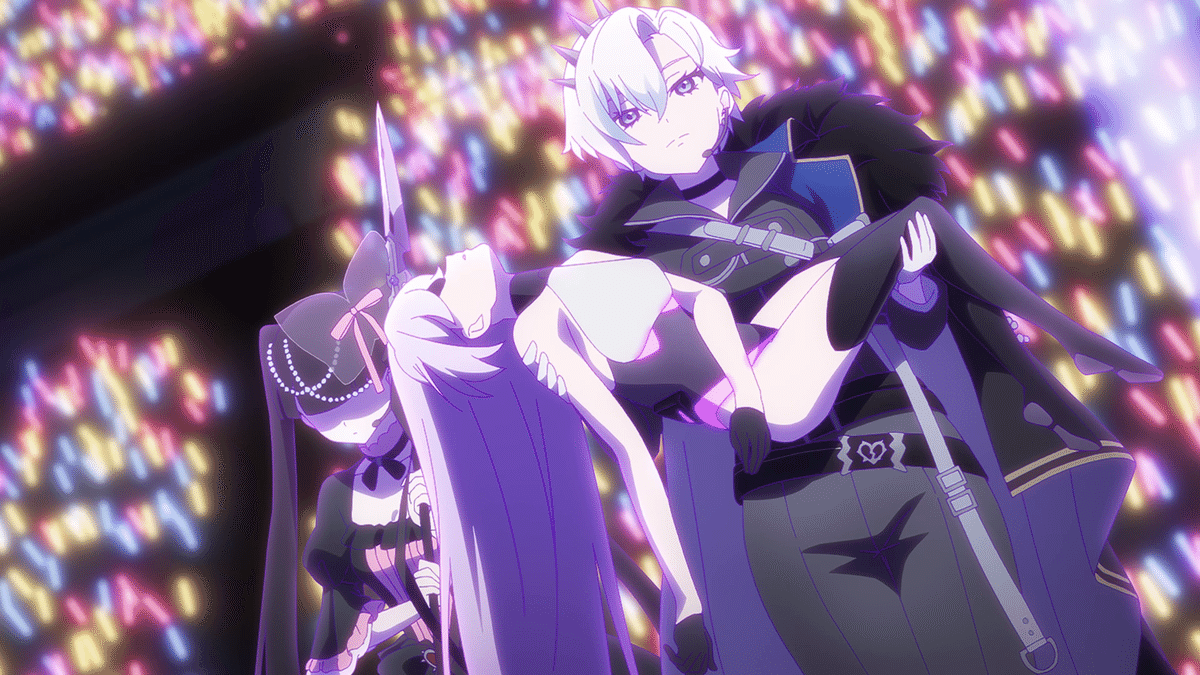
The prince who gathers the bones of a Judas who has fulfilled her role is Nechika.
I always ask her to play these understated roles, and I sometimes feel bad about that. Someday I’d like to write at length about how deeply I care about Nechika’s inherent goodness.
For me, this episode successfully captured Jesus Christ, Judas, Marilyn Manson’s art, Dostoevsky, religion, and, above all, rock ’n’ roll. I’m extremely satisfied with how it turned out. Thank you to storyboard artist Abe, everyone at A-1 Pictures, and especially the Paper-cutting artist.
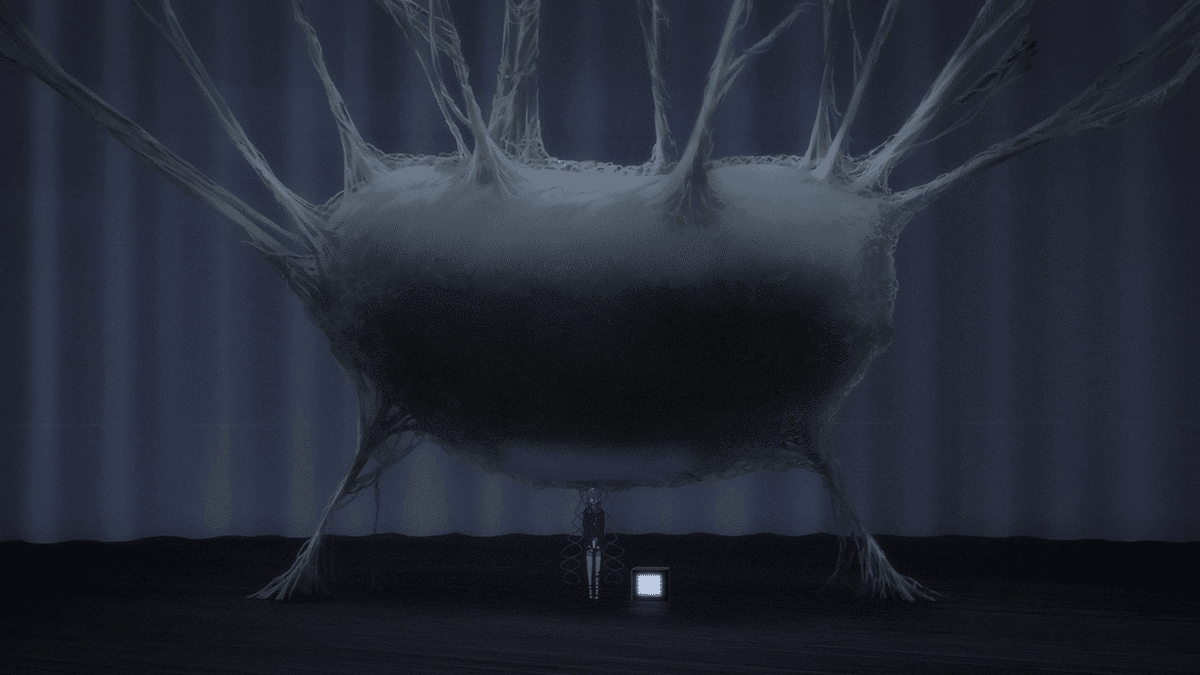
Next episode has been so controversial that we’re practically fighting over whether it can air at all.
That’s how dangerous it is. But I hope we can properly depict the “god who was killed” and the sin that follows.
Comments (9)
Leave a comment