


Previous episode above.
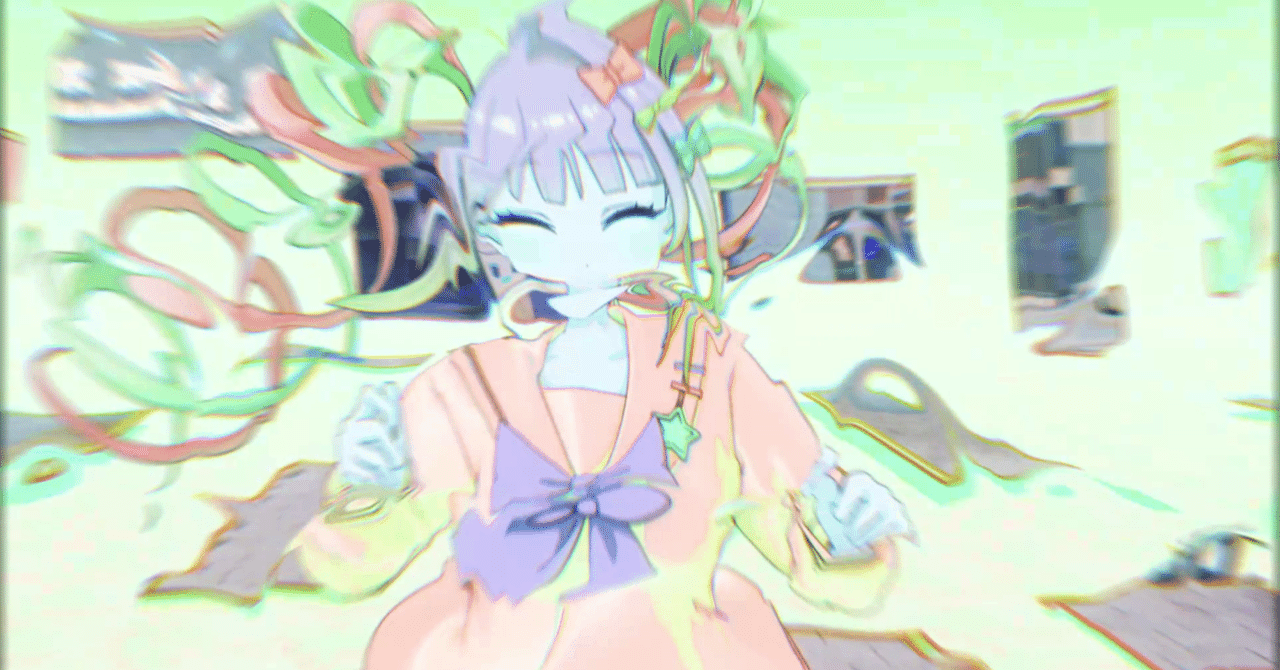
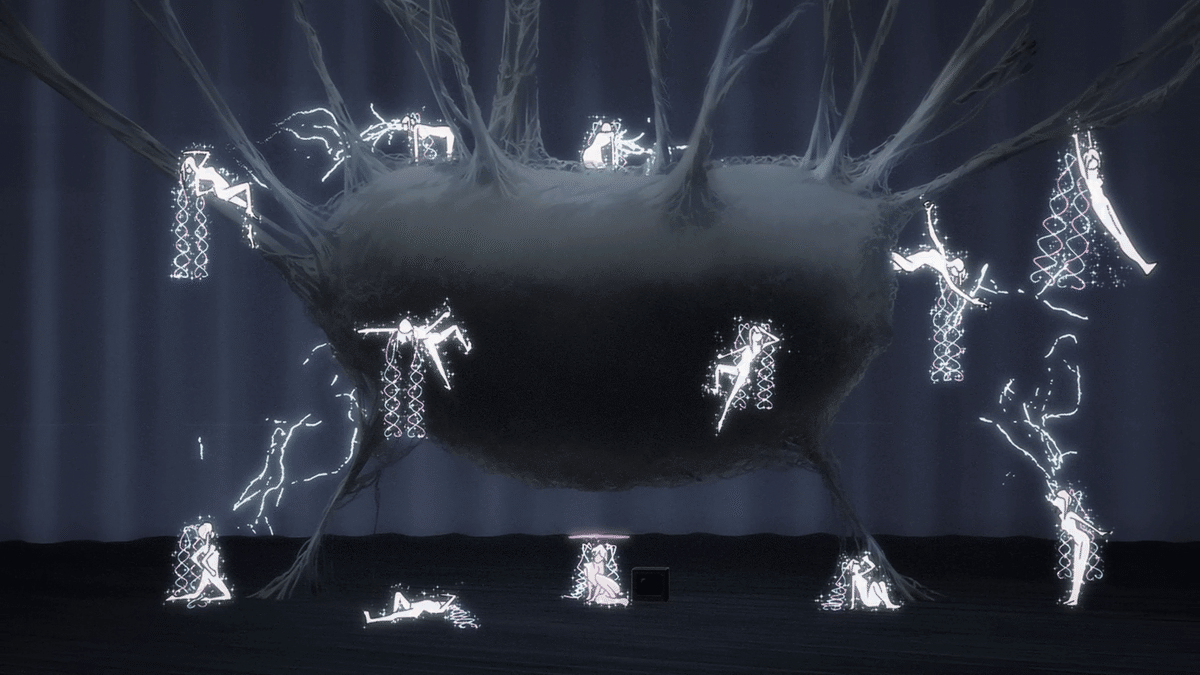
This episode, much like Episode 3, is about Ame's inner world—in fact, it's composed almost entirely of her internal landscape.
This was the one episode where I consciously thought, "Let's do the original game." As a result, it loosely follows the flow of one of the game's endings.
And naturally, that meant the opening had to turn out like this.
For the script, I simply wrote: "The opening is glitched." I was amazed by how much more glitched it became than I had imagined.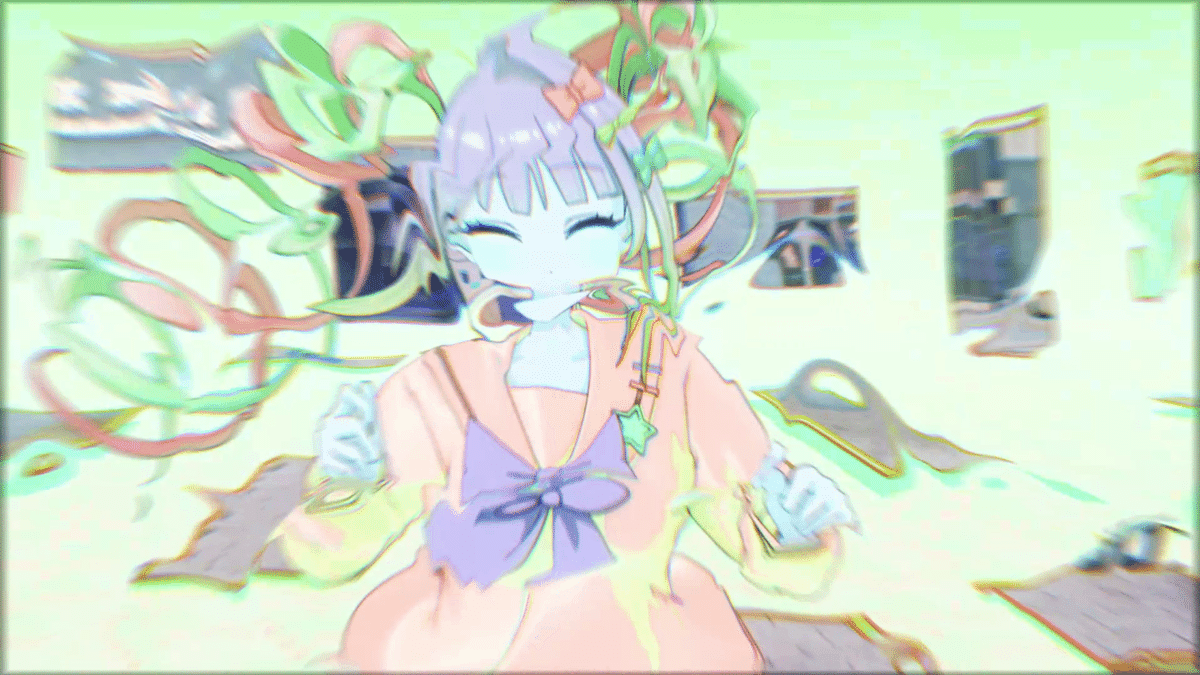
Since this is the kind of episode that simply has to be experienced directly, I won't say too much about its contents. Human beings are black boxes, even to themselves. This episode offers a glimpse into the sealed box that is Ame's inner self.
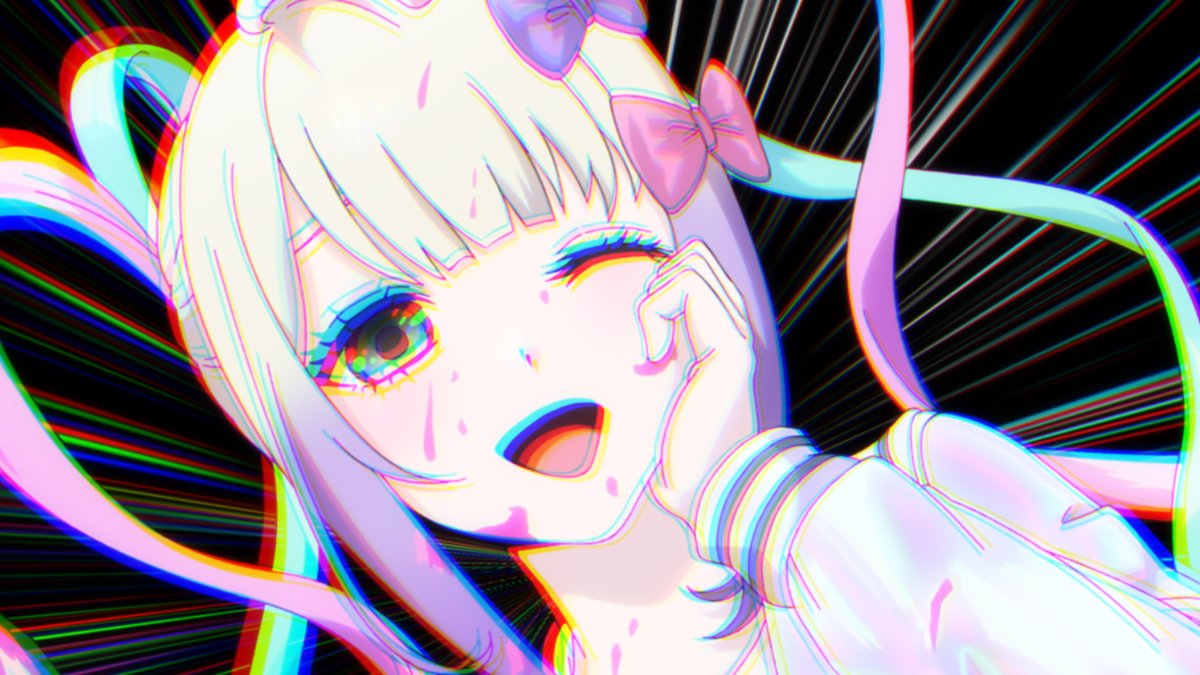
The trip sequence is, well... personally, I would have preferred committing fully to the darkness without any jokes or parodies. But ultimately it's a question of how far you want to push a bad trip, and from an anime production standpoint this version ended up somewhat softened.
There were also a tremendous number of broadcast restrictions involved. Even so, the staff did an incredible job ensuring that viewers could still understand what was happening through the audio alone. If the episode had reflected only my own sensibilities, it probably couldn't have aired at all.
The Evangelion parody section is probably a remnant—or perhaps a habit—of Inagaki and others having worked extensively on anime projects since the days of Evangelion: 1.0 and 2.0.
Personally, though, I've never liked how older generations tend to interpret every expression through the lens of Evangelion—or nowadays, SHAFT. One reason I was so fond of Episode 10 was that I felt we had managed to talk about tokusatsu, Christianity, and classical music from a direction entirely separate from Anno's influence. So I worry that viewers might see this episode and think, "In the end, it was Evangelion after all." Because I love Evangelion, I generally try not to parody or quote it directly. Though perhaps that doesn't really matter.
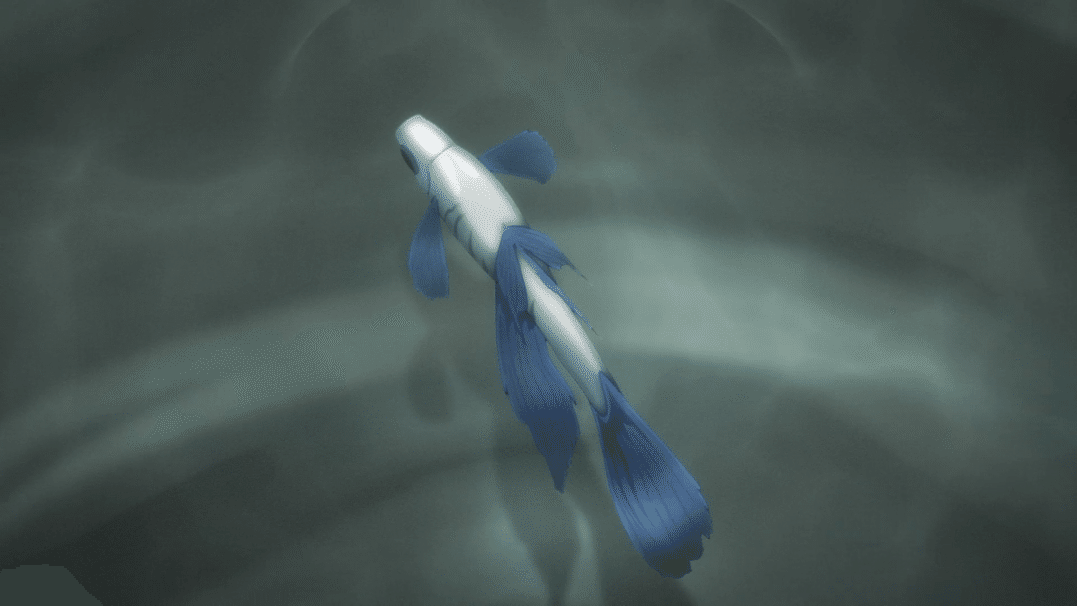
Incidentally, the worst trip I ever experienced was both similar to and different from Ame's. The most troubling part was the auditory hallucinations. Men, women, young, old—voices of every kind echoed in my head, mocking me from afar without end. Even if I put on noise-canceling headphones and blasted music, it only intensified the sensation that the voices were bypassing my ears and scratching directly at my brain. I became so desperate for them to stop that I tried to jump to my death.
The problem was that I lived on the second floor at the time. Jumping wouldn't accomplish anything—a built-in anti-suicide measure, I suppose. That realization only made me panic more. Then I remembered a friend from my high school days on welfare. During his night shifts at a convenience store, he'd recite Miyazawa Kenji's poetry while drinking whisky to escape reality and focus his mind.
Amid the endless laughter in my head, I began reciting:
"The phenomenon called I..."
And suddenly I understood. Kenji's poetry has rhythm. Speaking it aloud felt as though my soul were being cleansed. That was the moment I understood why people call it "the purest Japanese."
Even now, as I wrote about recently, I continue to live on a low floor so I won't impulsively jump. Though in exchange, I eventually graduated to tying towels around my neck. One time I even snapped a doorknob off.
When I told these stories at a clinic I rushed into, the response I got was: "So you end up wanting to die, huh?"
Yes! Would you like me to slash my throat right here and paint the room red?
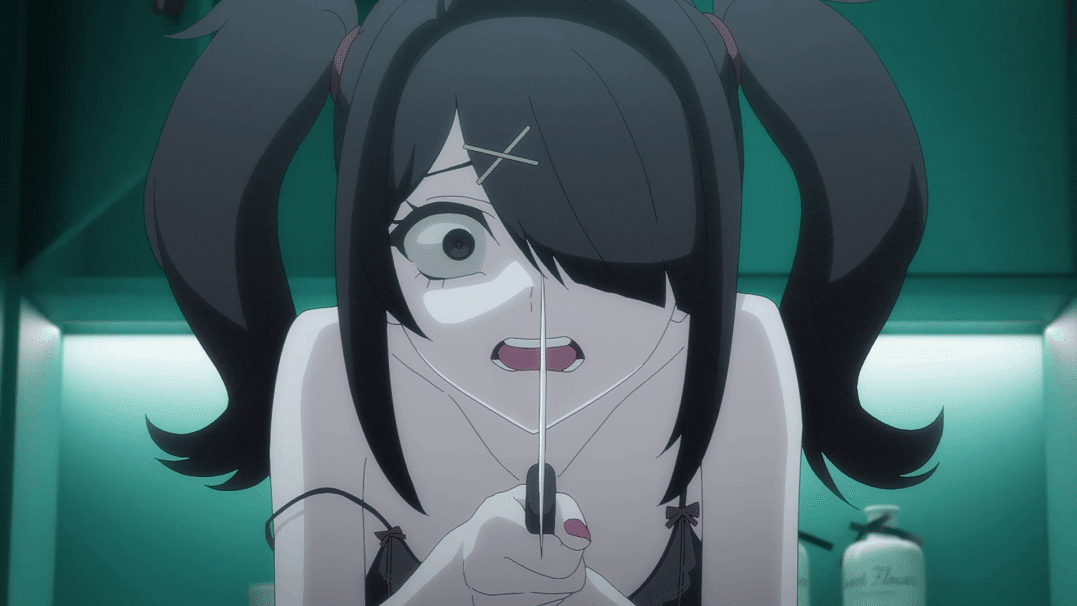
No matter how composed she tries to be, she's still a young woman. Of course she wants to kill the people who attack her online. And yet...
In pursuit of becoming the Internet Angel, she devoted herself entirely to saving others. She became a top streamer beloved by countless young people online.
But in exchange—or perhaps from the very beginning—she was incapable of truly loving others. The more she thought about humanity as a whole, the less she could see individuals.
The person she wanted to merge with, the one she constantly asked, "Do you Love me?"—P—was merely an imaginary construct she used to process stress.
Without realizing it, she became a closed-off, arrogant god. And when a god isolates themselves and loses their way, history and mythology alike tell us what comes next. It was inevitable that she would be punished by those Russian girls whose bonds were forged through existentialism, by those who had become compelled to kill God in order to understand God.
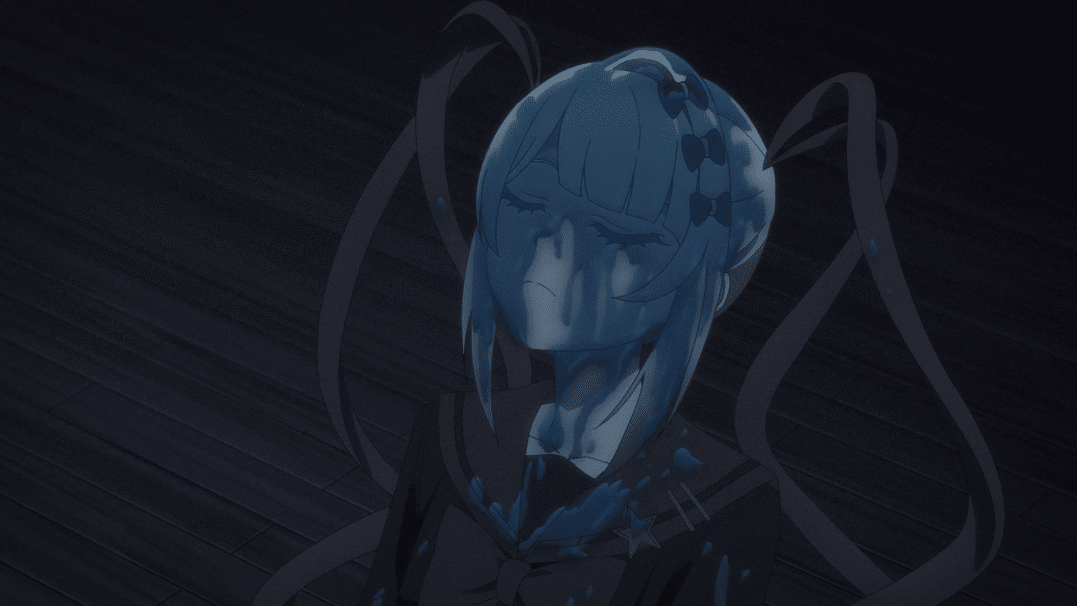
The only person incapable of understanding this was herself.
Her mistake was autism.
Unable to trust anyone, obsessed with the delusion that she alone must guide the people of the internet, she became intoxicated by her own role as savior—a kind of Messiah complex.
Michika's path was not so different. She too risked becoming trapped in her own worldview. Had things gone slightly differently, their positions could easily have been reversed.In that version of events, Michika might have completed her suicide before ever becoming whole. Perhaps that would have been a kind of happiness as well.
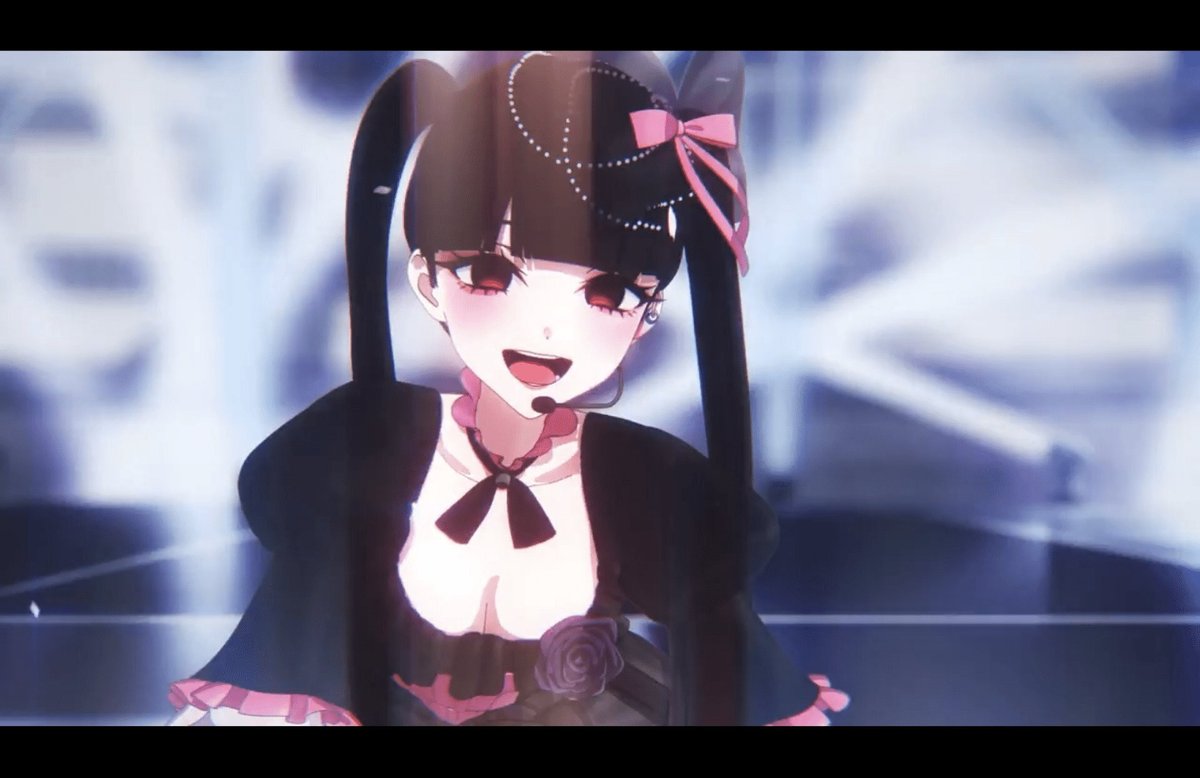
But she was able to trust Kache and her friends. She received support from a capable leader and began attending psychiatric treatment properly.
I believe the difference between their paths was simply luck.
Michika failed to die because she accidentally made friends. Ame became enough of a person that she could be killed by her own imaginary self.
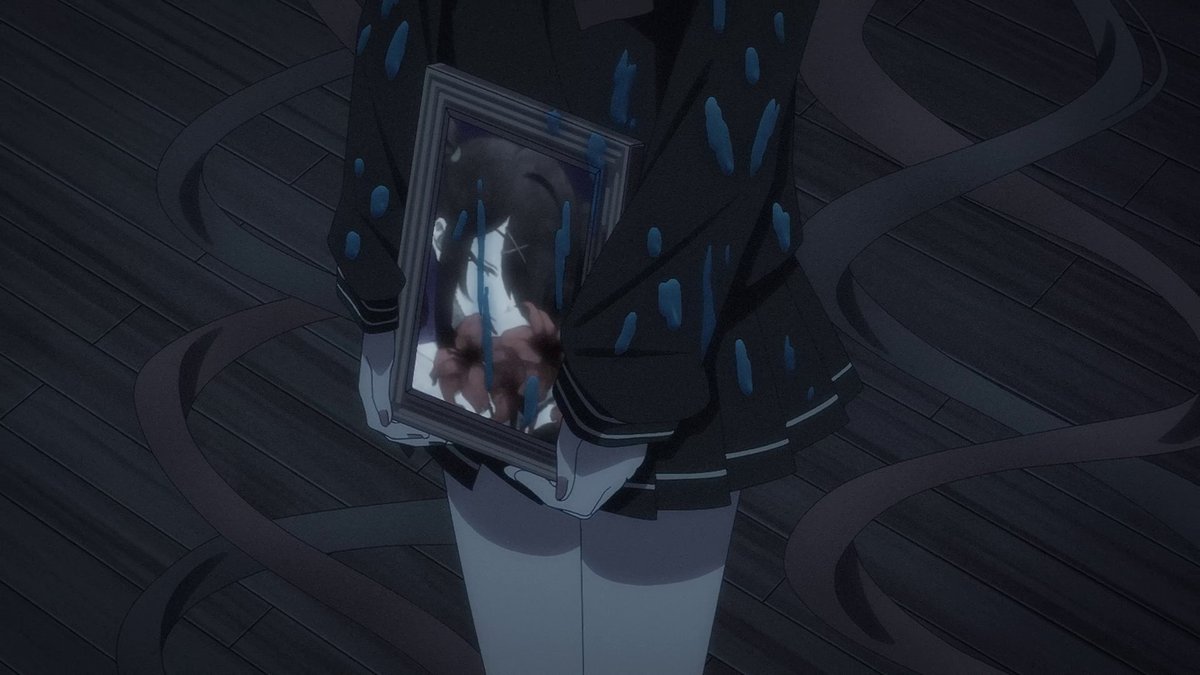
The game's ending portrays this flow in a much more abstract way.
To truly depict the Internet Angel, we needed to carefully portray the bonds of those who would ultimately shoot her down. We needed to keep depicting her arrogance, even if fans hated us for it.
Even then, there are probably many things viewers still don't understand.
But that's fine.
No one truly understands what's inside a human being—not even themselves.
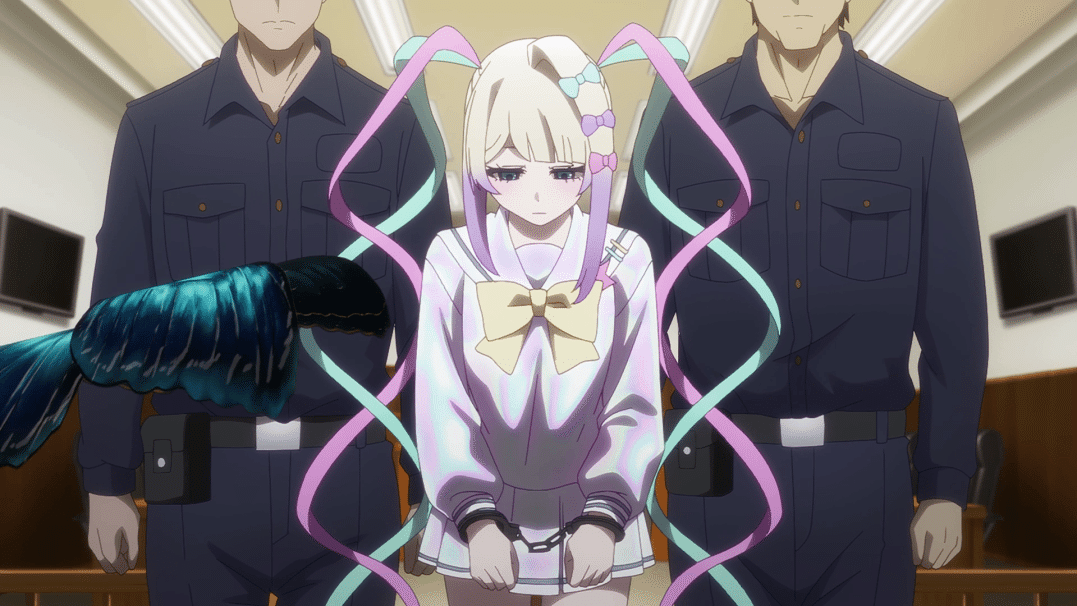
The truth is, I already know what's wrong with me. I don't need fans or haters to point it out. Inside my head, I'm constantly holding a trial against myself.
I know I'm wrong. But I still want someone to tell me you're right.
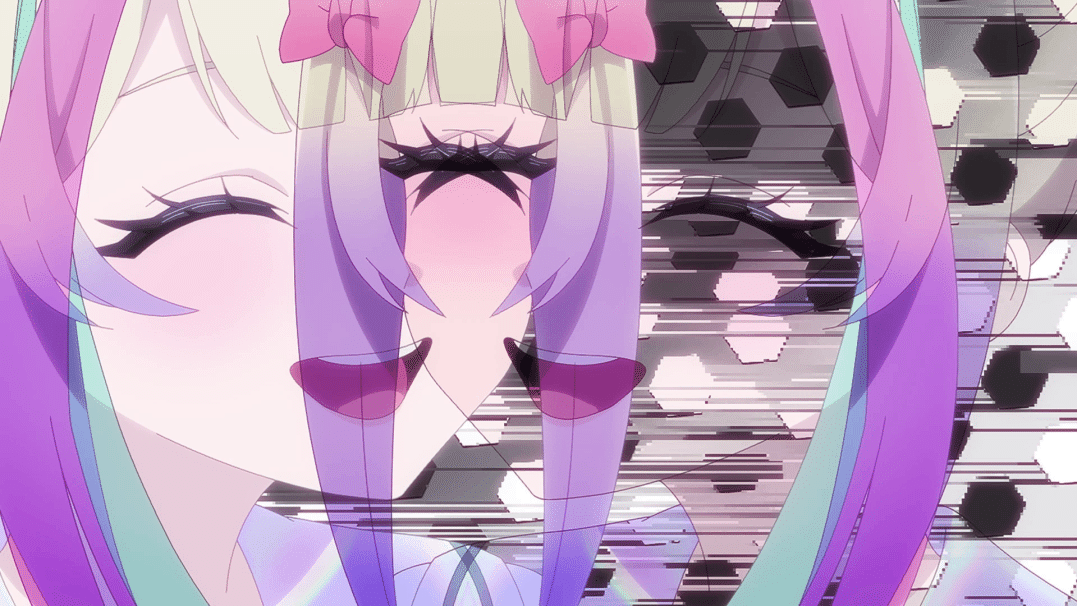
Vegetables appear several times throughout this episode. They're probably some kind of coded reference from the production staff. But personally, I'm not interested in marijuana-like experiences. It's not because I want to feel good. It's because they don't actually produce hallucinations. What I want is to step through a door leading somewhere beyond the limits of ordinary human experience.
If I'd hidden my own little reference in the story, it would've been "a rainbow-colored stamp that can take you anywhere." Though that's probably irrelevant to everyone else.
Because of all these factors, Episode 11 ended up heavily censored. But the uncensored version is airing on WOWOW in a couple of days. Finally! Please let me make an anime like Neo Ranga—something meant only for the people who are meant to watch it!
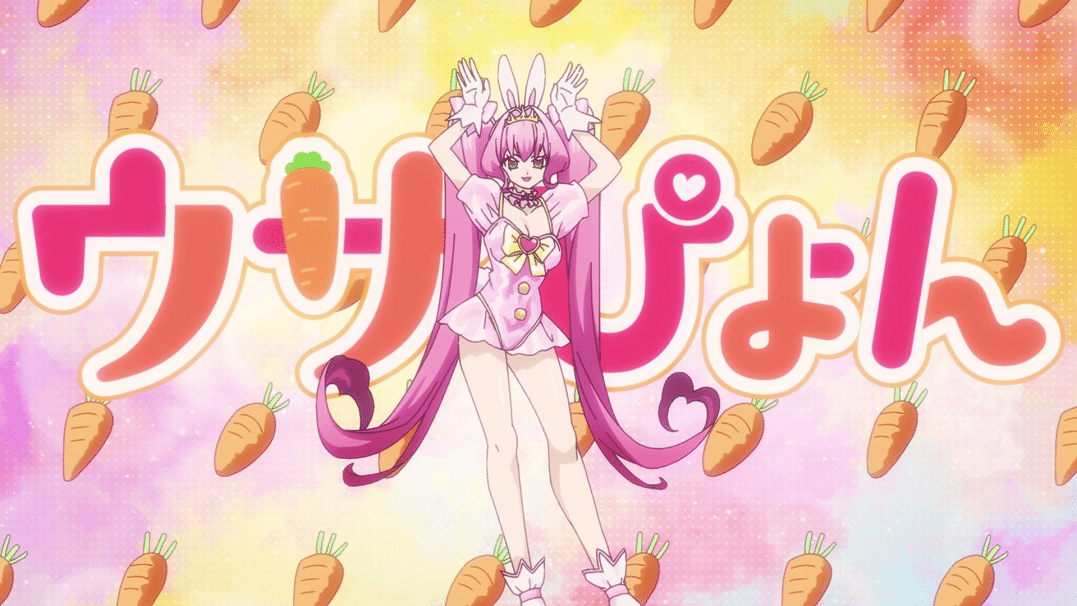
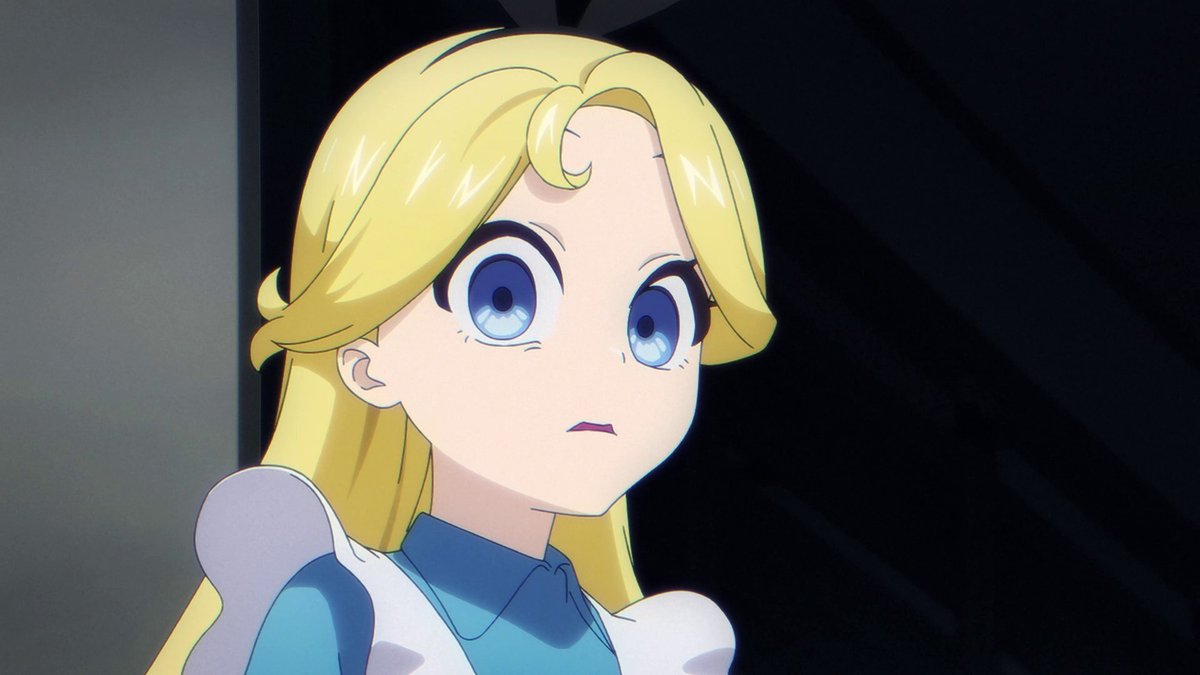
Ame's precious friends.
Imaginary friends are something deeply personal to me as well. In middle school, I played every bishoujogame I could get my hands on, lived alongside an ideal little sister constructed entirely inside my head, and waited for my mother—who only occasionally came home.
In my case, things stabilized because I met a misanthropic friend at a terrible technical high school—the same friend who recited Miyazawa Kenji while drinking whisky. Ame never had that encounter.
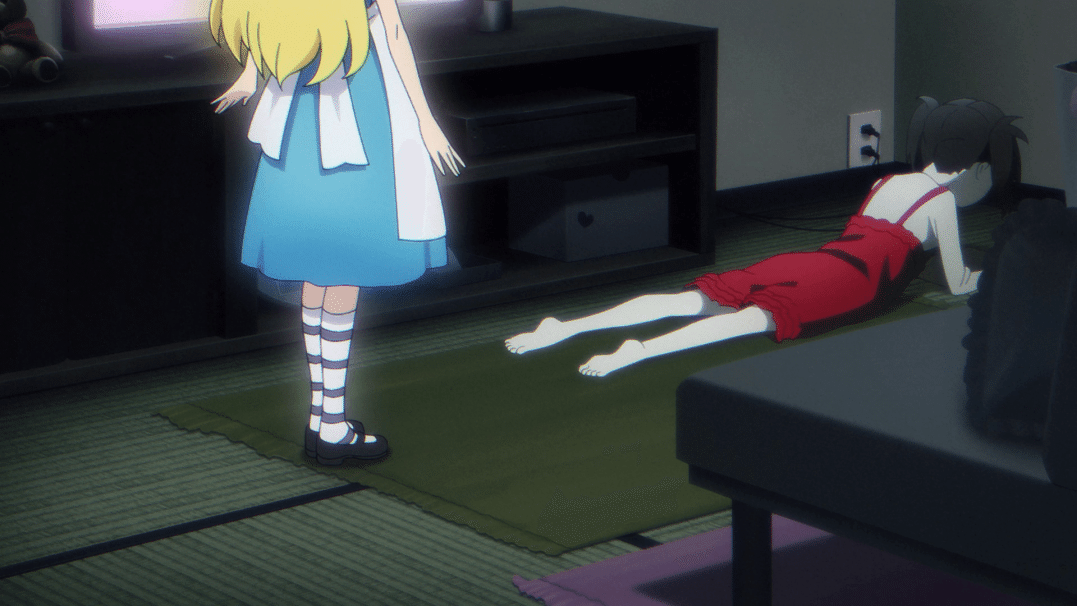
For me, that figure looked a lot like Alice. To me, she has always represented dreams and Lolita aesthetics. You can't help but imagine falling down the rabbit hole with her into some fantastical world.
My fascination with idealized girls eventually led me to discover the concept of tulpas, and later I even serialized a manga about them with Yumetsuki-sensei.
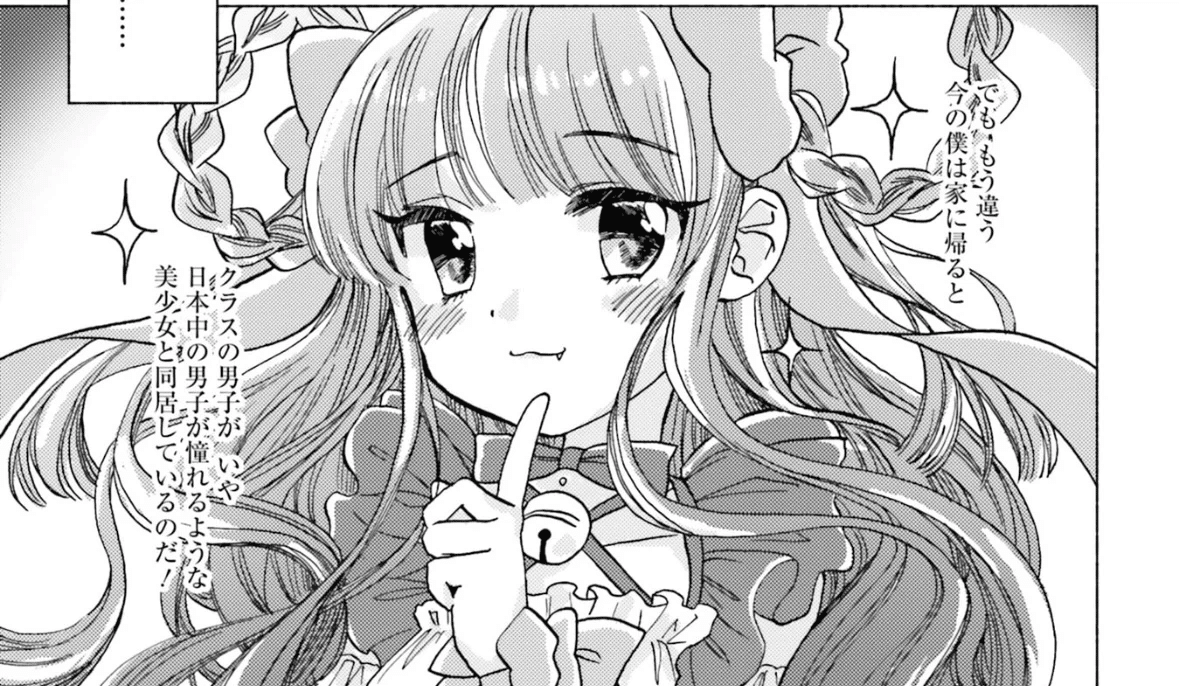
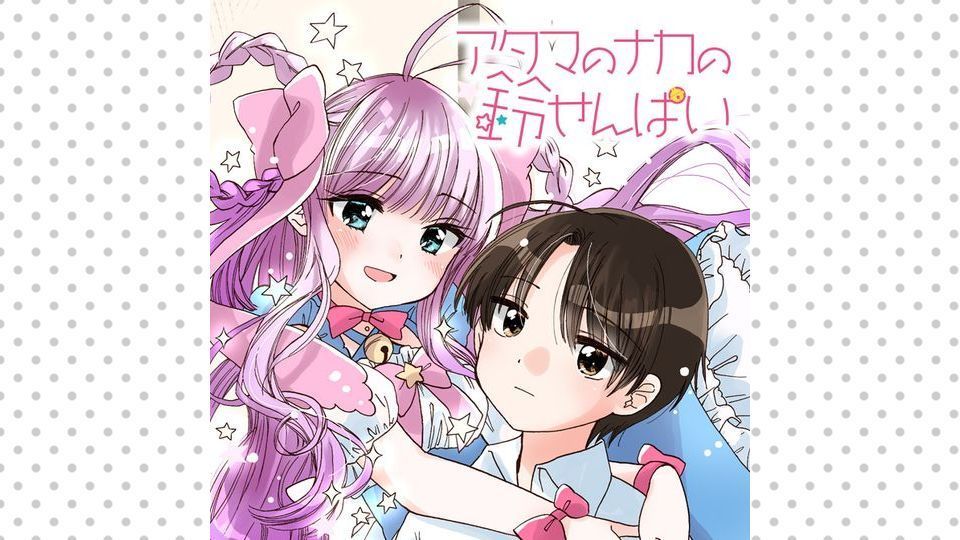
Please give it a read.
In a sense, KAngel was the culmination of every imaginary girl I'd ever pursued. I finally managed to pull the girl I'd always been searching for straight out of my brain.
And then... This happened.
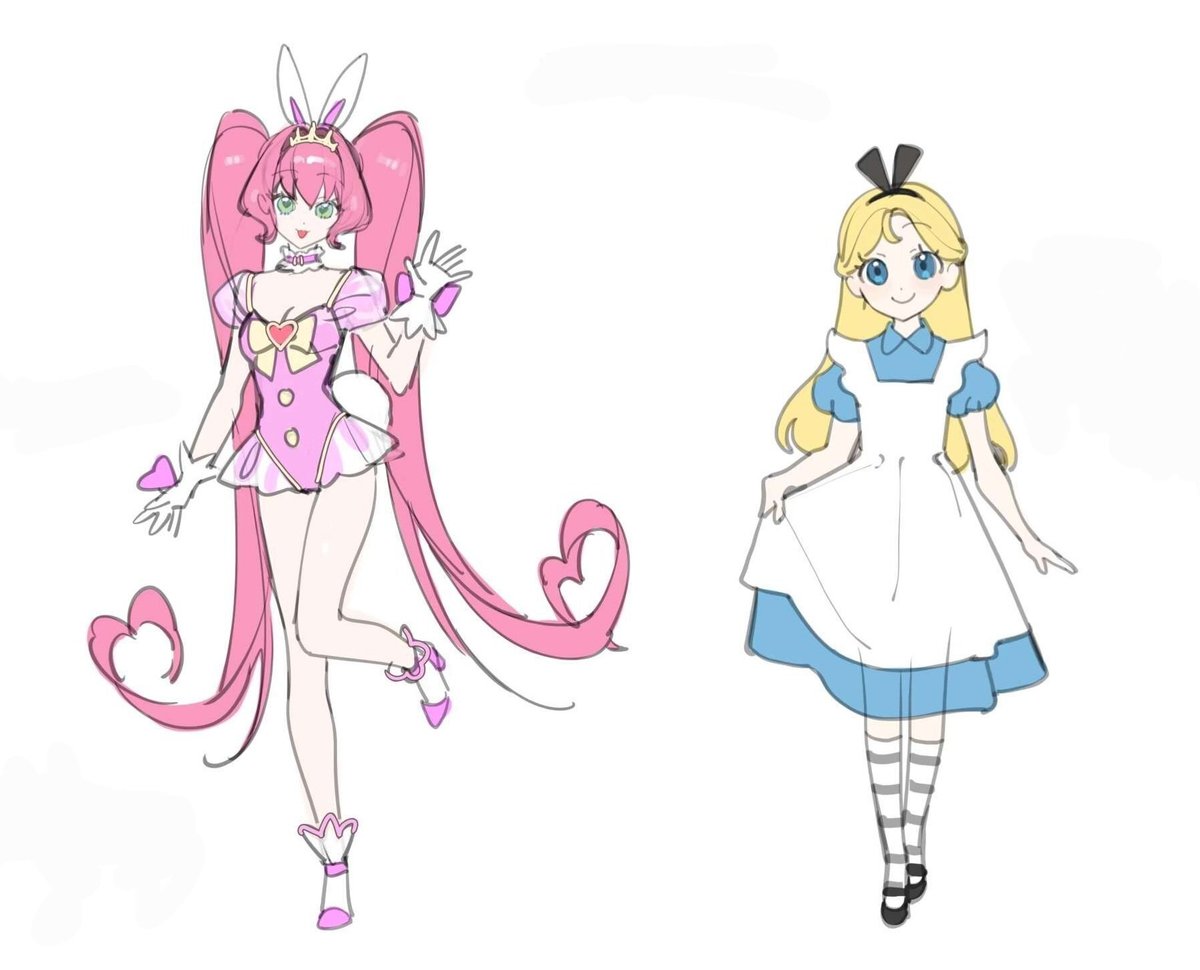
Usa-pyon doesn't exist inside my head.
When I was talking with Ohisashiburi-sensei about what Ame's friend from middle school would be like, I imagined a fairly typical cute moe girl. But somewhere along the way, thanks to their personal tastes, she ended up becoming a bunny girl. She's adorable. Thanks for being friends with our Ame. Even if you died in the end.
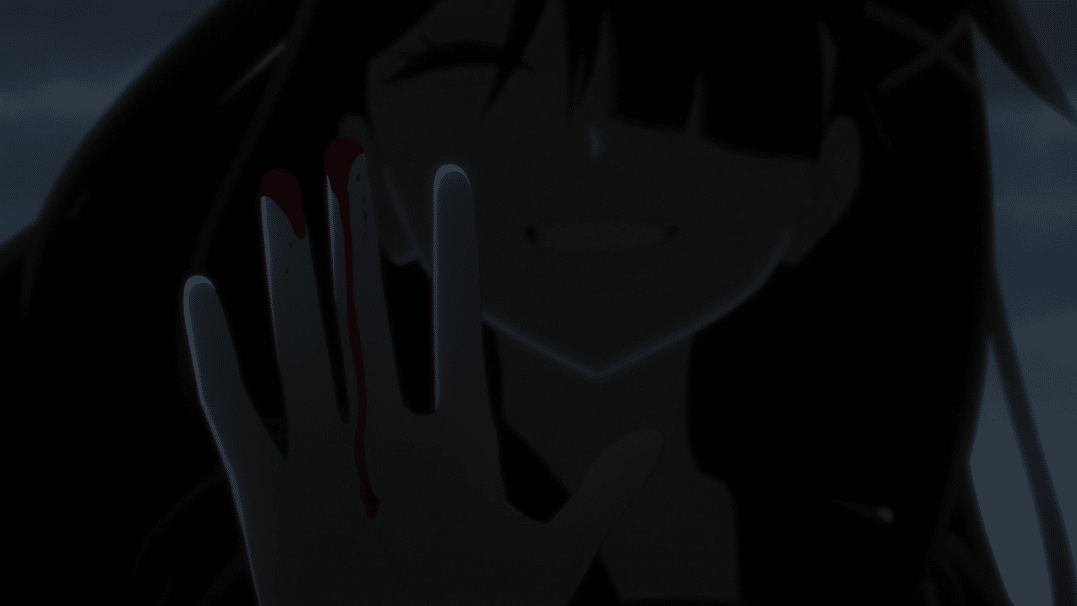
Thank you for Episode 11.
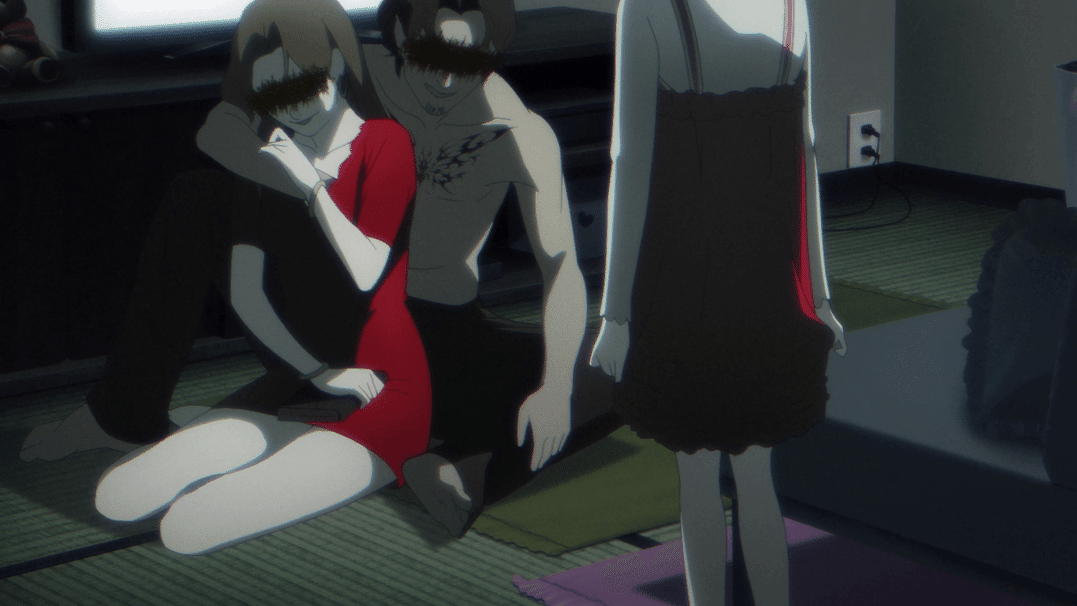
Mom's voice was once again provided by Momoi-san. In fact, I had the chance to do an interview with her just last week.
She is the woman I've admired more than anyone.
Seeing Momoi standing there as the mother of a character like KAngel—who feels almost like my daughter—moved me deeply. Usapyon's voice wasn't actually performed by Momoi-san, but by Kangel. The result was that she ended up delivering lines reminiscent of Nurse Witch Komugi right next to the real Momoi-san herself. It was a situation I never could have imagined when writing the script. It felt like fate.
In other words, every imaginary friend was really KAngel herself. The second half of the episode essentially required KAngel to perform four roles at once.
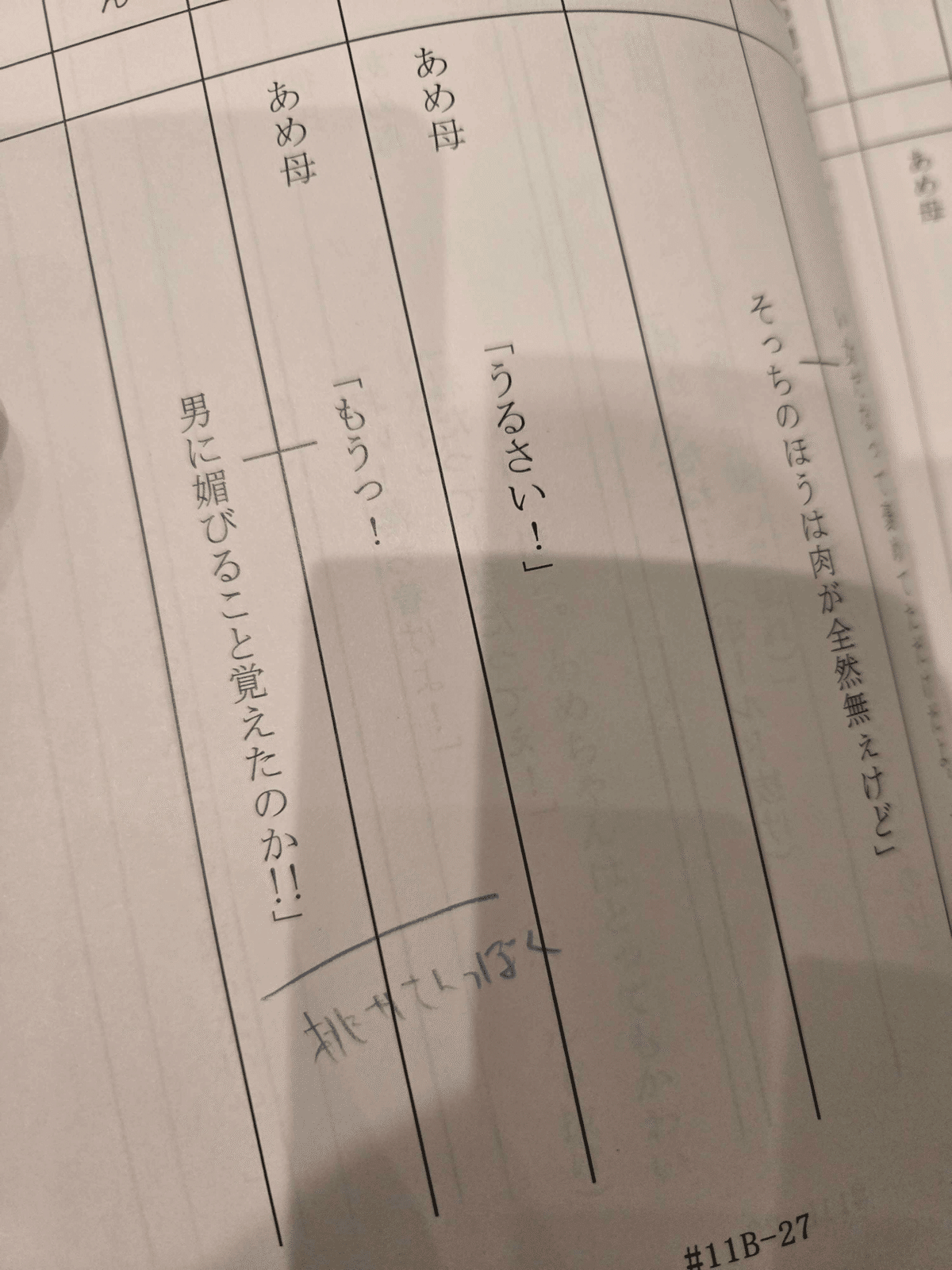
At some point I specifically instructed the staff: "Make Ame's mother sound exactly like Momoi-san herself." A slightly youthful voice felt more authentic. Hearing the very same voice I had listened to as a child through Komugi-chan appear in the studio was a moment of pure bliss.
Everyone else, however, was exhausted. The material was so heavy that Episode 11's recording session had an astonishingly gloomy atmosphere. Everyone looked drained. Producer Kimura quietly remarked: "It's incredible that someone exists who lived the kind of life necessary to write a script like this." That made me happy. He's right. You don't arrive at something like this very easily.
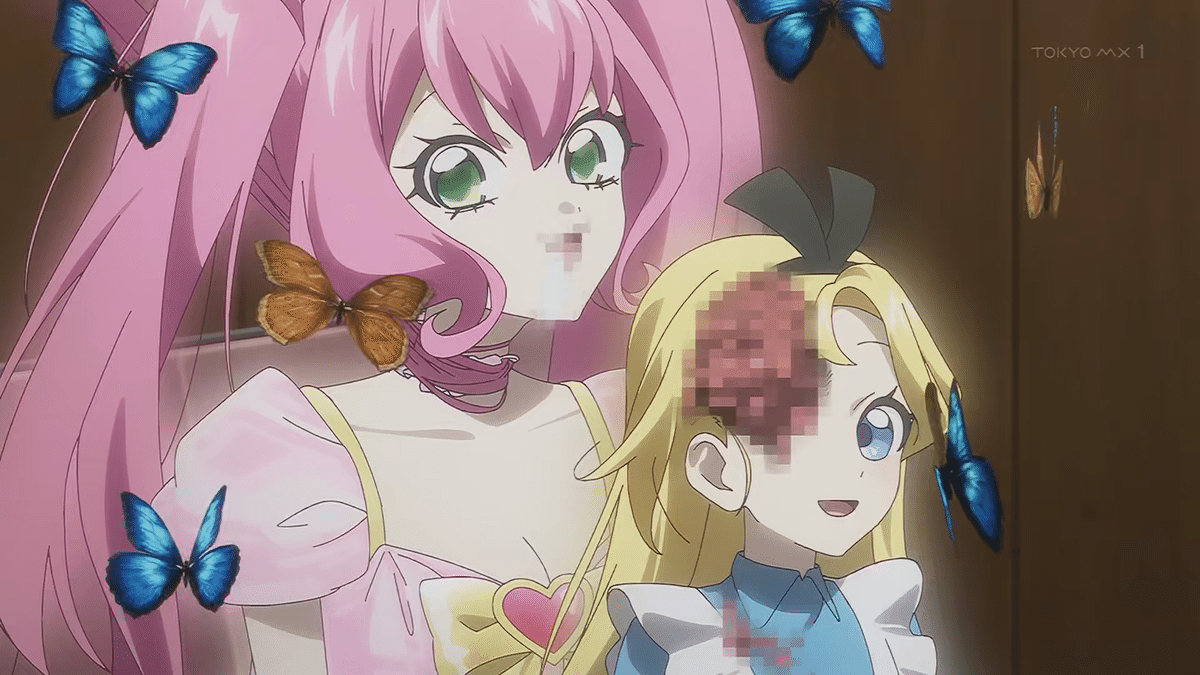
Thank you, both of you!!!
The ending illustration was by Nagu.
I'll support them forever. Truly forever.
The English lyrics for the support song(?) were written by Karen.
Please feel the sheer obsession that produced this sequence of events.
I sincerely respect English-speaking otaku.
As for the music video, it was handled by Hina, who has helped us many times before. She always says, "I'm especially confident in how Ame looks." And every time, I find myself thinking the same thing. It's not that KAngel doesn't suit her style. It's just that those naturally sharp eyes are a perfect match for Ame.
Please look forward to the next episode!
There are only two episodes left.
Comments (6)
Leave a comment