


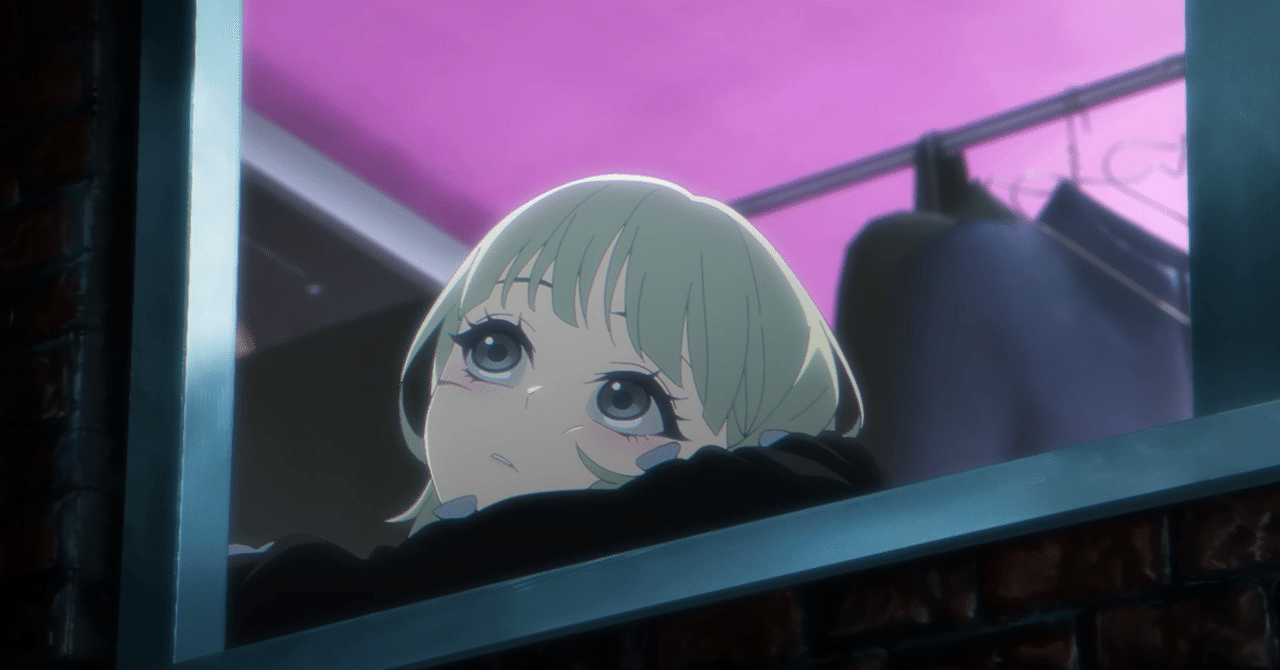

↑ The previous one.
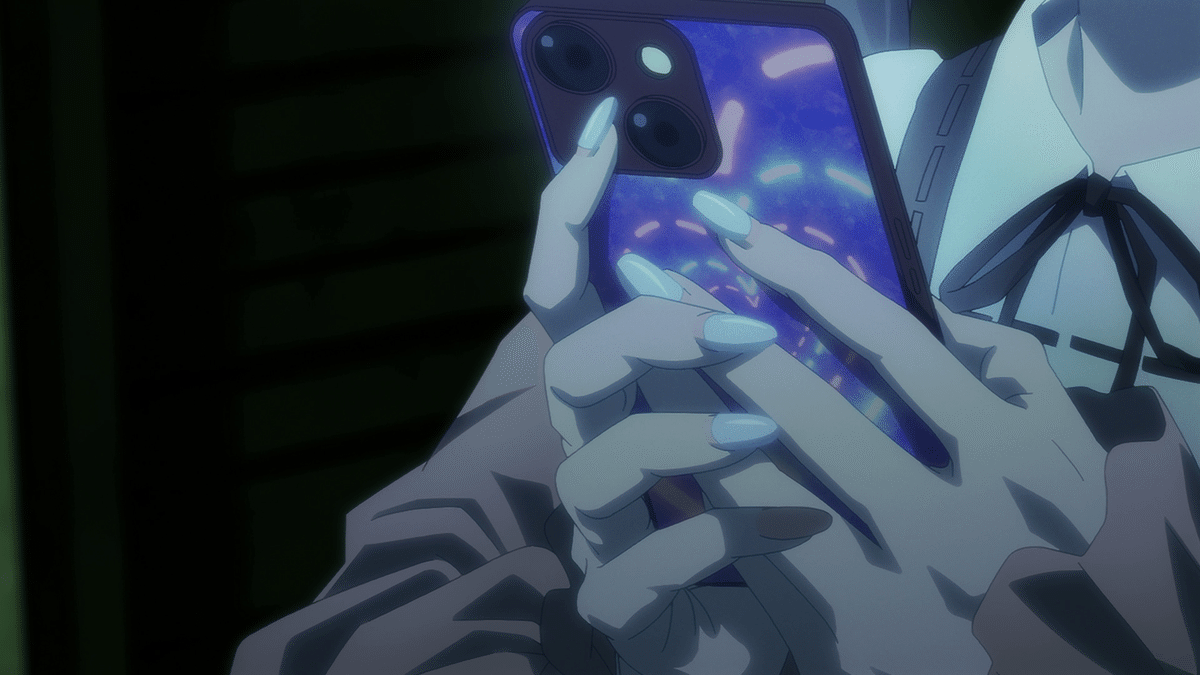
This is an anime where the nails and eye makeup are done with real commitment.
Back when I was living in Okinawa, no late-night anime aired at all. It wasn’t until I moved to Tokyo at eighteen that I first experienced the strange shimmer of watching “anime at night” in real time. I didn’t know anyone around me yet, and I wasn’t used to the city enough to go out and play in the entertainment districts, so nighttime was just lonely. The shrill voices of anime girls echoed from beyond the monitor.
Because every episode was still being made by feel, the atmosphere of the story kept shifting too. But this time, I think we were finally able to move the story forward properly while also bringing out that peculiar feeling of “a strange program you accidentally get drawn into when you turn on the TV late at night.” The excitement of being new to late-night anime. The screen is pale blue the whole time, and because it’s an original anime, you don’t know what’s coming next. A light with no clear destination.
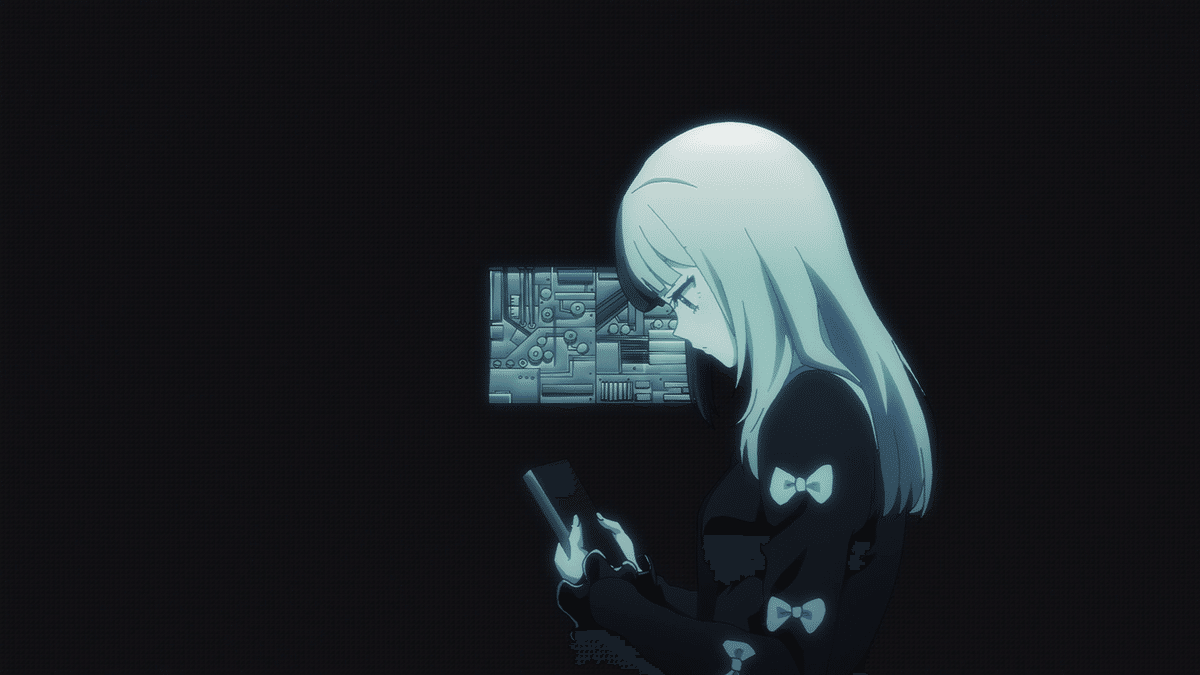
When I had just moved to Tokyo, I was carrying the loneliness of not knowing anyone at all, and the only way I could interact with other people was by clinging to the internet.
People become unhappy every time they compare themselves to others.
On the other side of the screen were people my age working hard at university or part-time jobs; some could make music, some could draw, and my inferiority complex kept growing, like maybe I was the only person who truly had nothing. From the perspective of someone like me, just a bottom-feeder from Okinawa, every account looked like it belonged to someone more decent than me. And yet if I didn’t go through social media, I had no contact with other people at all.
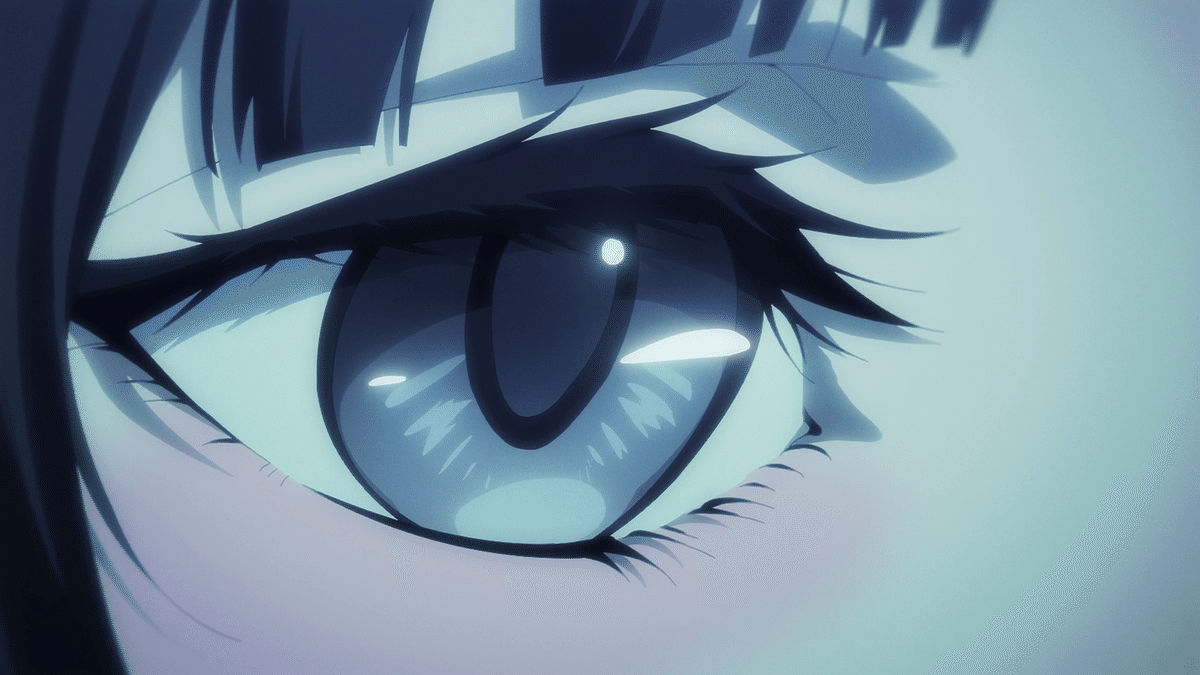
In that sense, Kache was better off than I was back then: she worked at a concept café, had a decent number of followers, and at least technically had a boyfriend. More than enough to make me jealous. The grass is always greener. Because I still had no confidence and no position of my own, I compared myself to everyone and spent my days covered in anger and envy all by myself.
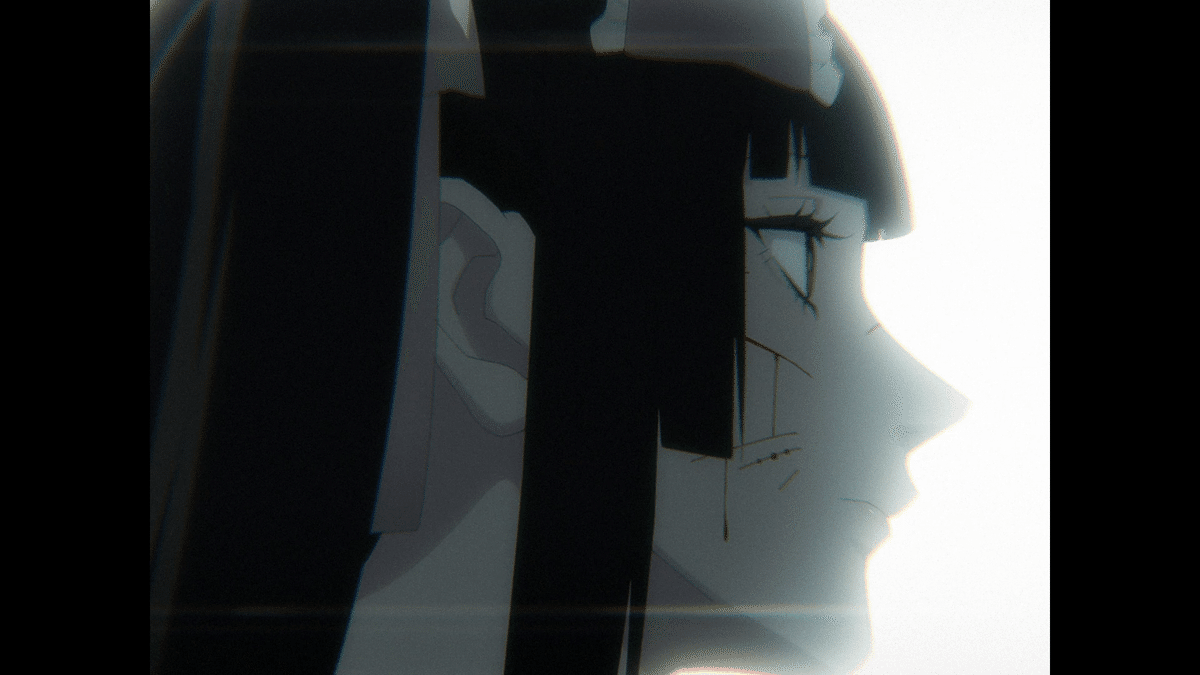
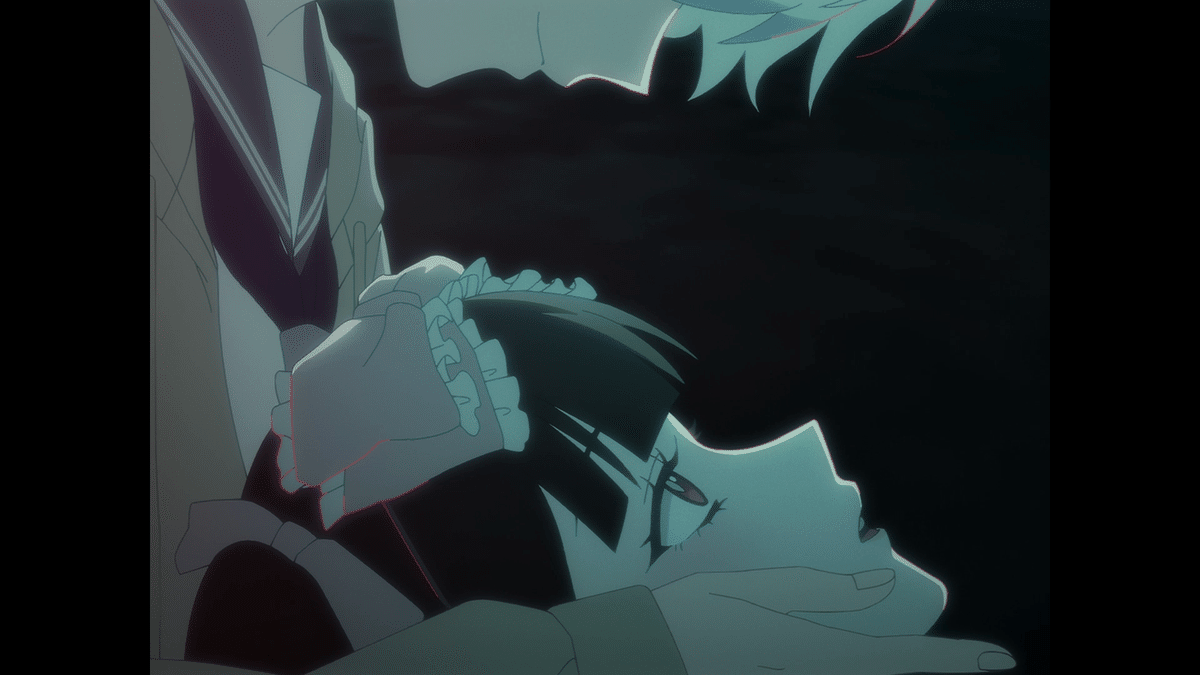
One of the things I wanted to express in this NEEDY anime was “the sense of solidarity between girls who can’t trust adults or men.” That’s what the rooftop scene between Michika and Nechika in middle school is about.
Why did I want to depict that? Well, part of it is that I’ve always disliked adults to begin with. But from a more meta point of view, while I do love “2D girls,” what I love most are “2D girls who feel like real women.” I’m an otaku of girlhood itself.
That comes from the influence of December When There Is No Angel. In the end, I can’t empathize with people who don’t have emotional wounds or loneliness, so when I really come to love a character, I end up looking for reality in them.
And when I thought about why I kept being drawn to gothic-lolita characters, I realized it was because along with all the frills and dresses, they’re always wearing darkness and sadness too. That kind of realization is scattered throughout this episode.
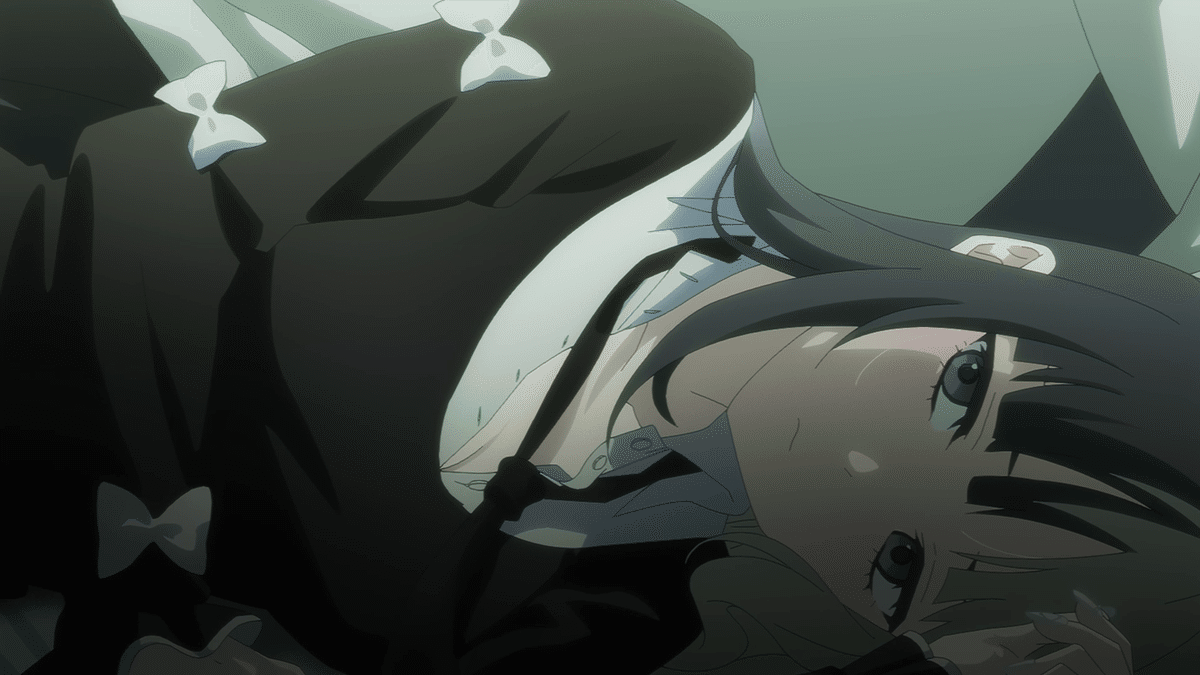
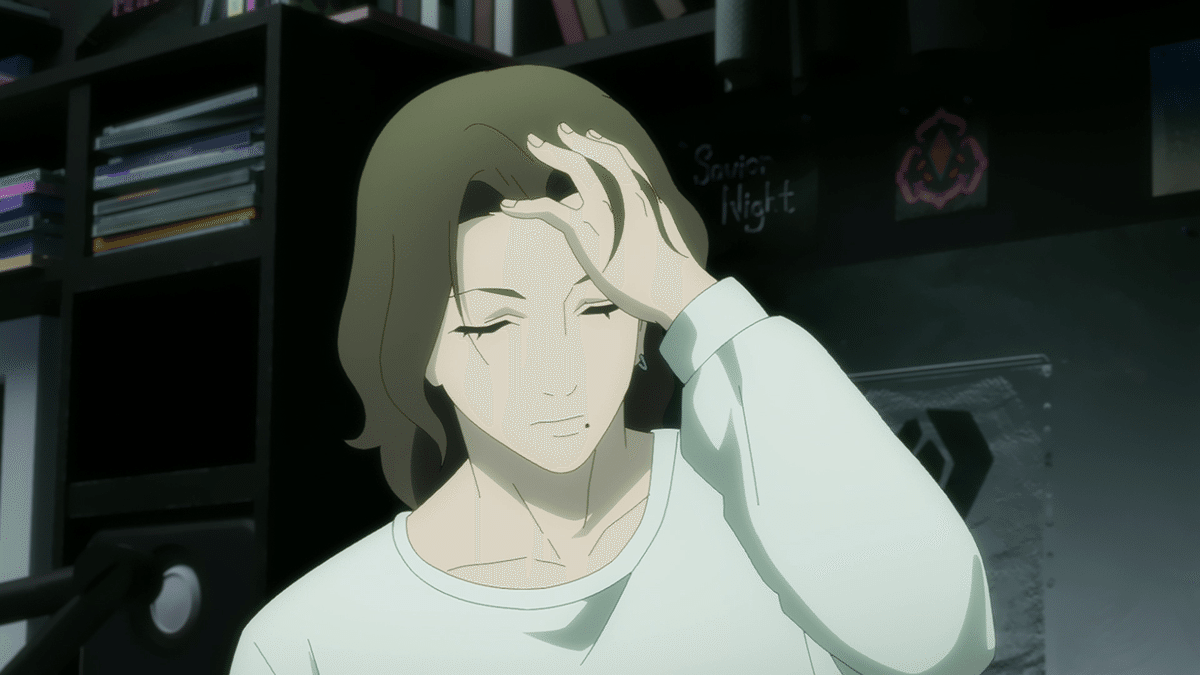
I gradually started liking Kache’s boyfriend too, so the ending of episode 4 became more of a comeback for him. People do go through periods where everything is a mess, but maybe there are also times when they gradually start to rise again. Or maybe not. If you stay on social media long enough, you see creators who once sank completely with no motivation at all suddenly revive because of some small chance. Not as some pretty ideal, but just because life really does have its ups and downs.
It’s not like Kache was rejecting her boyfriend with her whole body from episode 1 onward, exactly. It’s more like people miss each other because of timing, and depending on when you look, someone can start to seem bizarrely villainous.
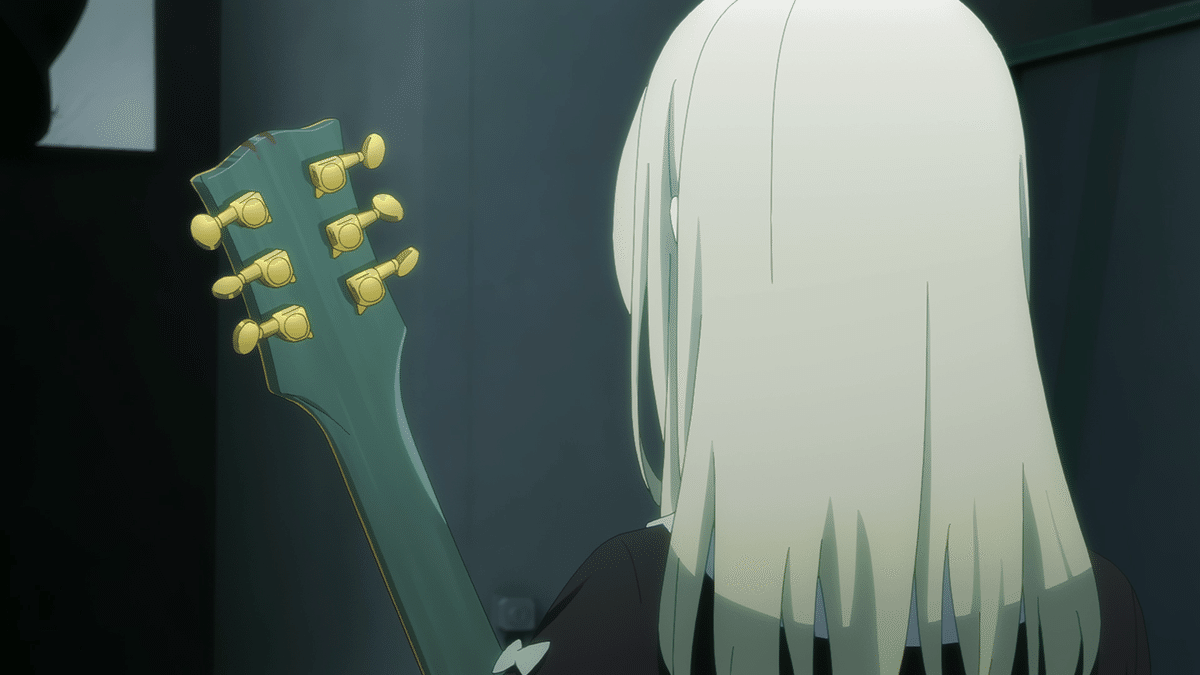
There’s a lot of talk of rock and punk here, which is why the subtitle is London Calling. DEDE-san’s BGM, poured out with everything he had, leads into scenes that will really land for the people who know.
Rock, punk, and the struggles of youth always go together. A rock’n’roll story about people whose sense of where they belong is unstable.
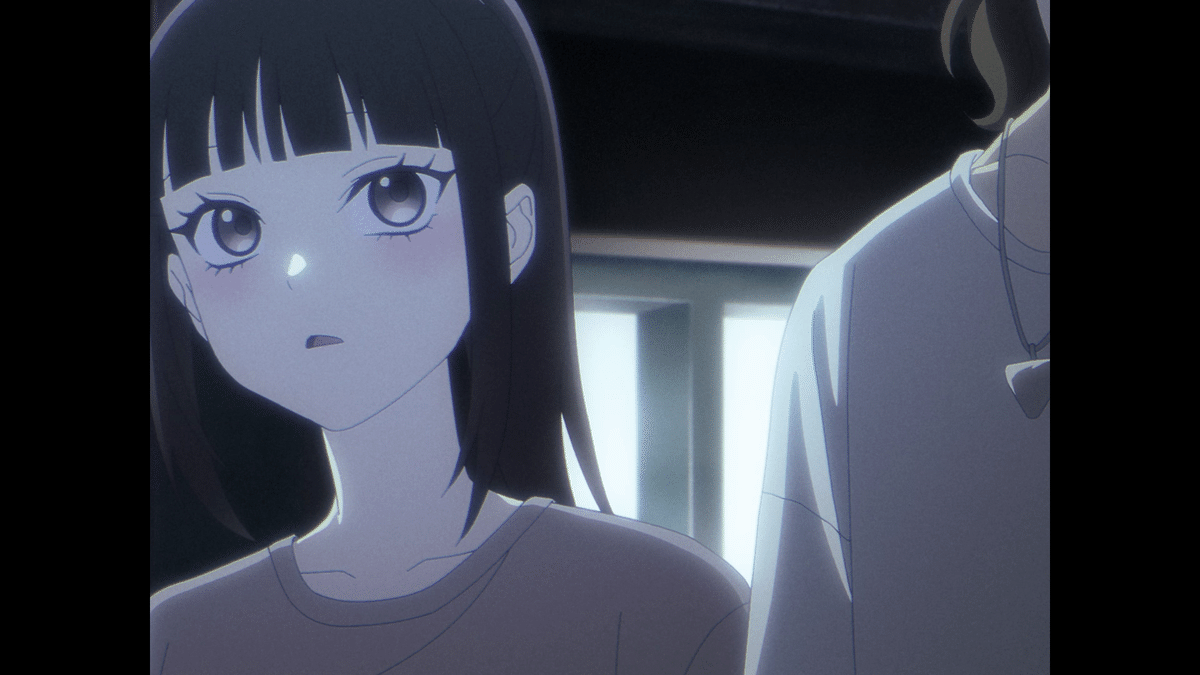
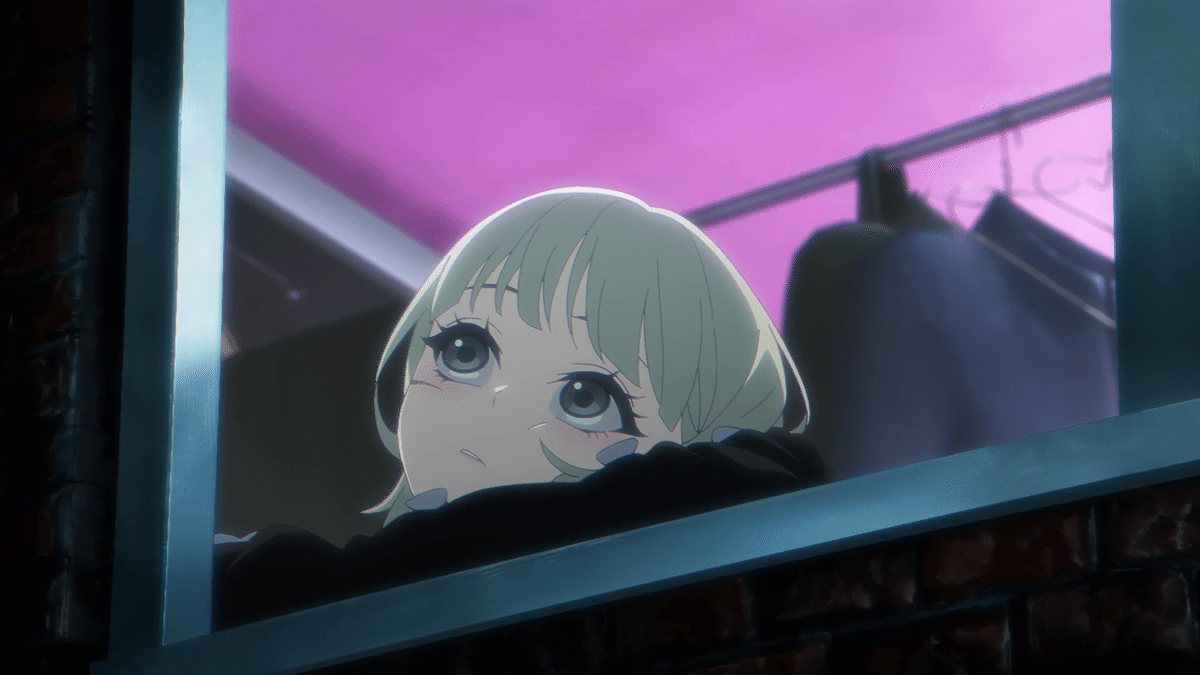
The hair color keeps changing over and over, which was rough.
And somehow, after going around in circles like five times, it ended up becoming a surprisingly straightforward and clean anime, which surprised even me.
Because I myself wasn’t even a student, I wanted to try depicting “awkward romance between college students.” You don’t see that much in anime. And thinking about it carefully, the time when my emotions swung most violently was probably around twenty. Back in high school, I was just so dark all the time that I barely even have memories of “rising” moments. I didn’t even really have any longing for romance. It was an industrial high school, after all.
This was an episode where Nagase-san’s brilliant performance as Kache really came through.
“I looked up your band’s name.
And guess what? Absolutely nobody was writing about you anymore.
Neither fans nor haters — both sides were dead silent.
You don’t exist anywhere now.”
The anime staff really liked that line too.
If someone said that to you right before breaking up, it would be unbearable.
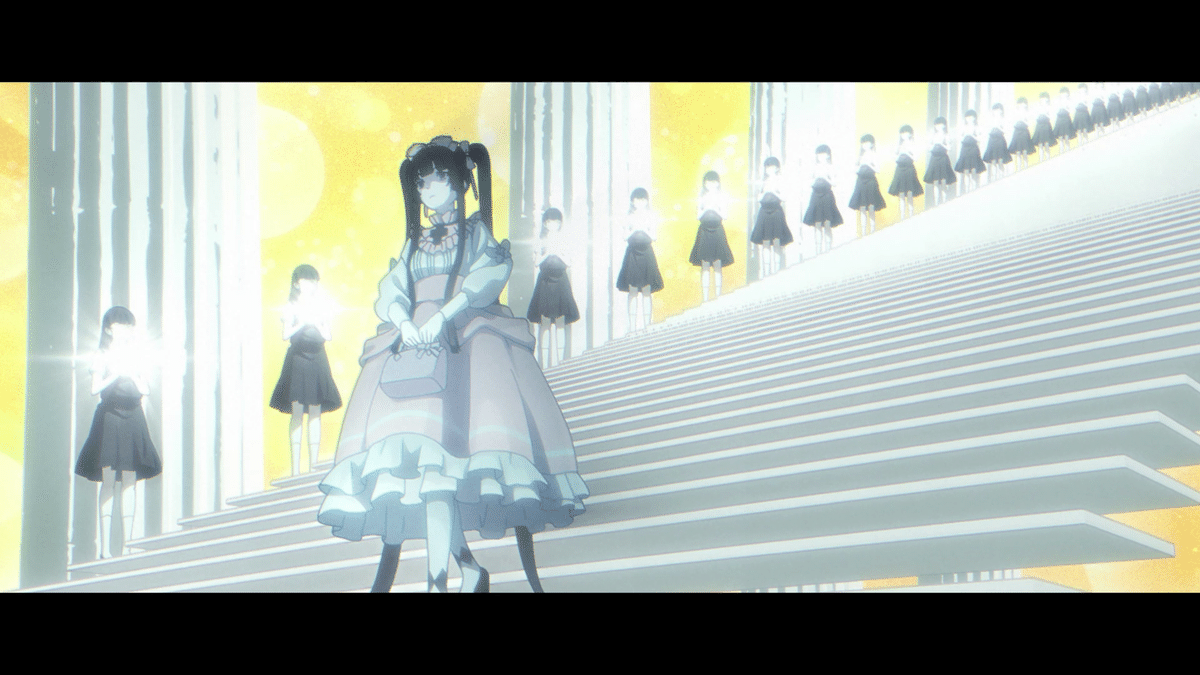
And then there are people like this, who don’t even brush against that kind of story at all.
Michika’s rise happened while she was drifting around after dropping out of school, gradually becoming a topic of conversation in that world. It’d be nice if one of your old classmates suddenly turned into that. By the way, Kache’s boyfriend says some suspicious gossip about her, but that’s just random online rumor-chatter from nobodies. I’m obviously not giving her that kind of setting.
After she started getting attention on TikTok, she gradually began making a decent amount of money too, with Nechika helping her along. Nice that she can buy lots of frilly clothes now.
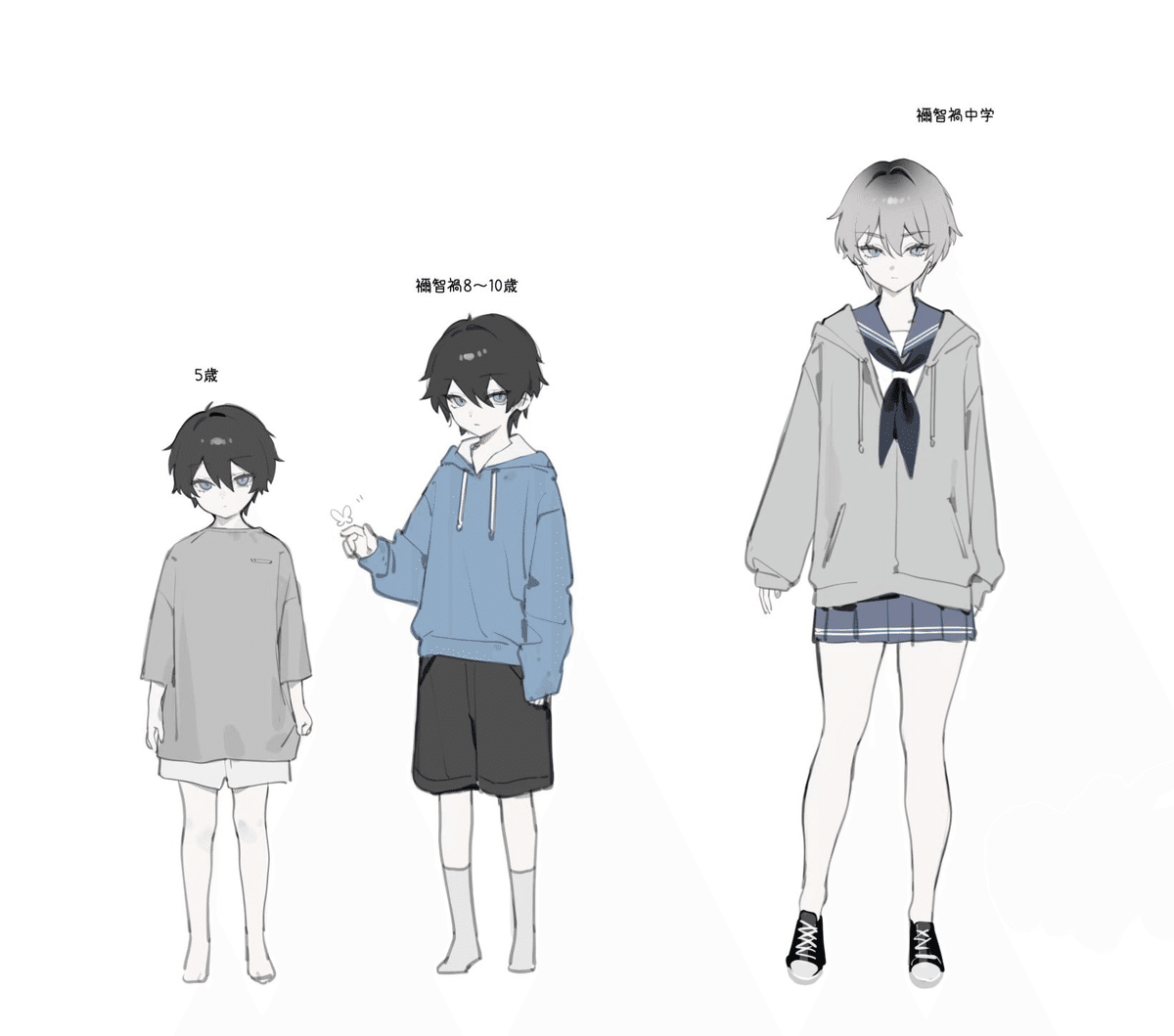
Since everyone except Kache dropped out after middle school, it was funny to realize that O-Hisashiburi’s setting sheets also ended up frozen at their middle school versions.
Nechika’s story comes a little later.
The anime is gradually becoming more and more about Karamazov, and taking on a stronger original identity. From here on too, I want to keep aiming for that kind of anime experience where you don’t entirely know what you’re looking at, but when it catches your eye late at night, somehow you can’t help being drawn in.
The end card this time is by Hirayama-san, who has helped us before with NEEDY event illustrations and the like.
Next time will be a more Lollipop-heavy episode. Please look forward to it!
Oh, and by the way, this anime posts some kind of music every week after the broadcast. Pretty luxurious, right? I wrote lyrics or did direction for about 90% of them.
I really worked hard, huh.
Comments (8)
Leave a comment