


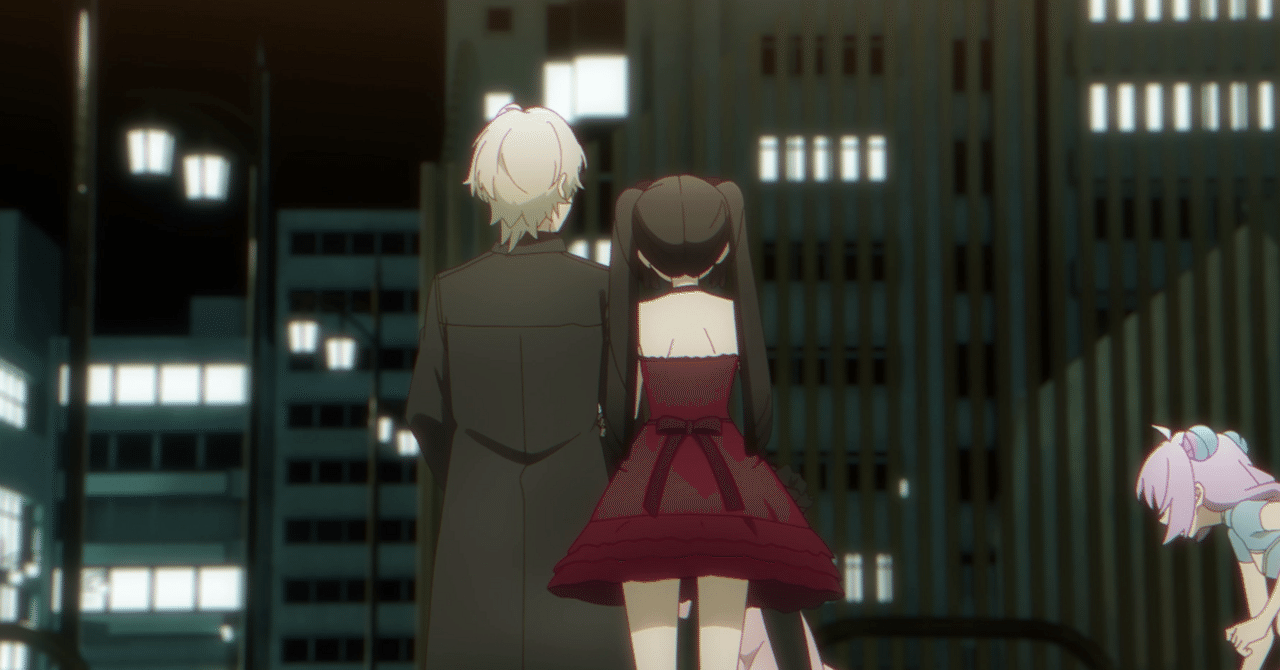

↑Previous episode.
Slip Inside This House。
A defining song of acid rock and psychedelia.
On the surface, it feels spiritual and gentle, the kind of song that slowly guides you into a trance. But when I listened to it while genuinely hallucinating, hearing voices and all, something about its warmth honestly saved me.
It’s a song with a deeply spiritual atmosphere, so I’m sure everyone interprets it differently. But for me — while in the middle of a genuinely bad trip — the phrase “Slip Inside this House” almost felt like it could be loosely read as, “If things get rough during the trip, come inside.” Falling deeper into that “House” alongside the song — a House that felt like some hidden place deep within my own mind — was strangely warm and comforting.
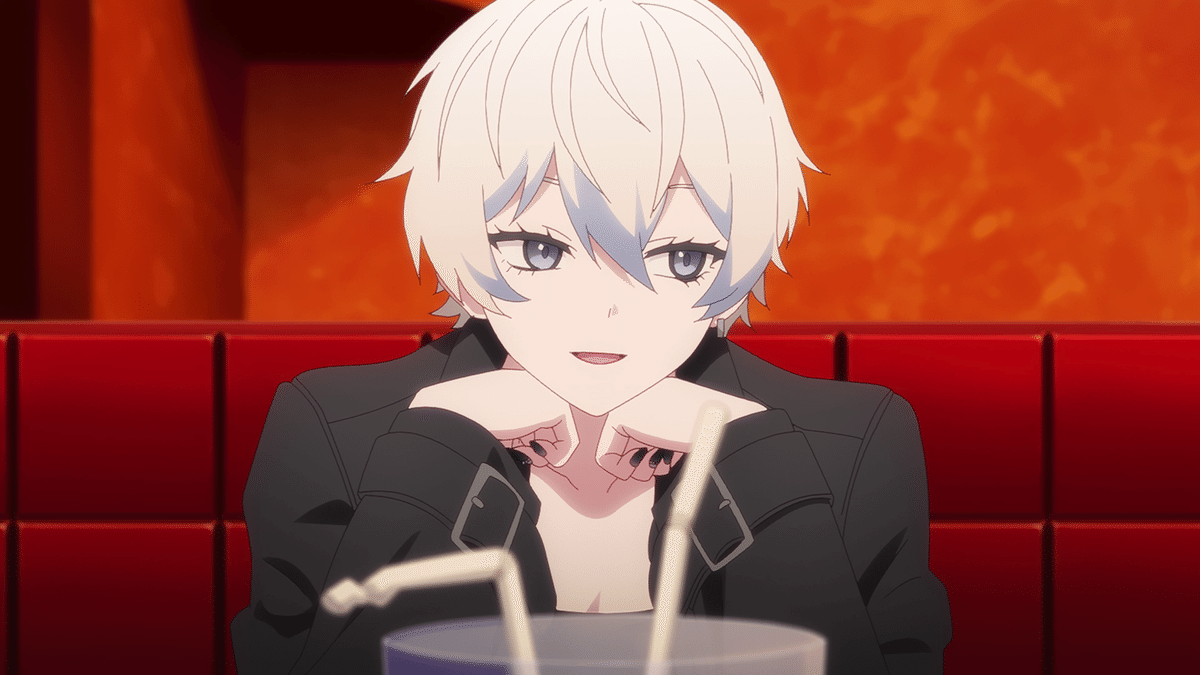
This episode was written with the hope that Nechika could become that kind of person too — someone able to say, “If things ever get too hard, you can come to my place.”
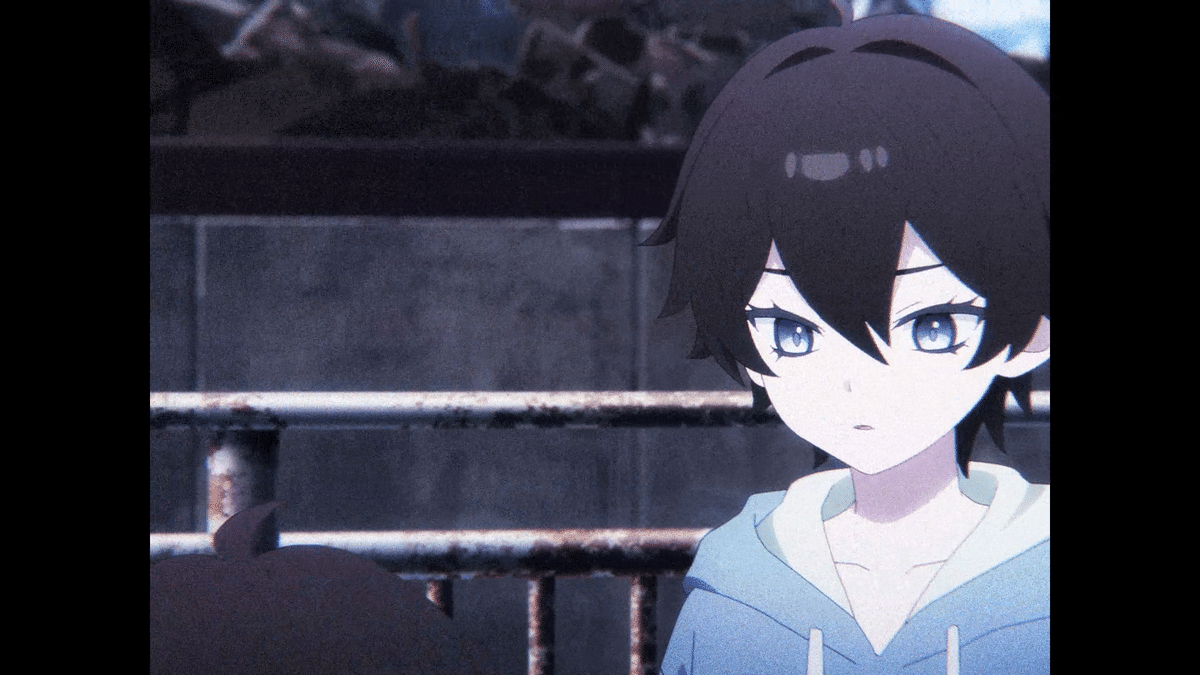
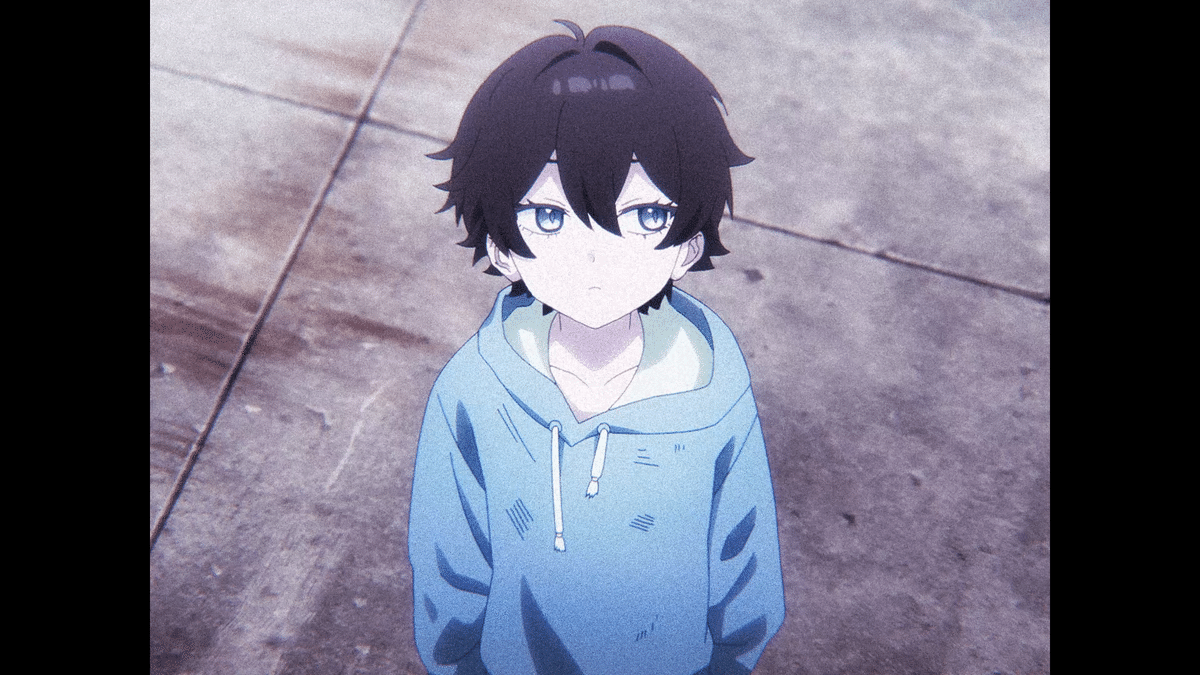
Nechika as a young girl. She’s cool as hell. Growing up in a household full of men, she ended up taking on the role of the dependable eldest daughter, and naturally became someone who couldn’t easily show weakness. That environment shaped the way she lives. One of the cast members once asked me, “What was Nechika’s mother like?” and I instinctively answered, “Nothing especially dramatic — she just got tired of being stuck in poverty with a husband who wasn’t exactly a good guy, so she left.” That answer came to me immediately, so I think that’s simply the truth of it. Nechika chose the way she would live, but the situation itself was just an ordinary kind of poverty — the sort of thing that could happen anywhere.
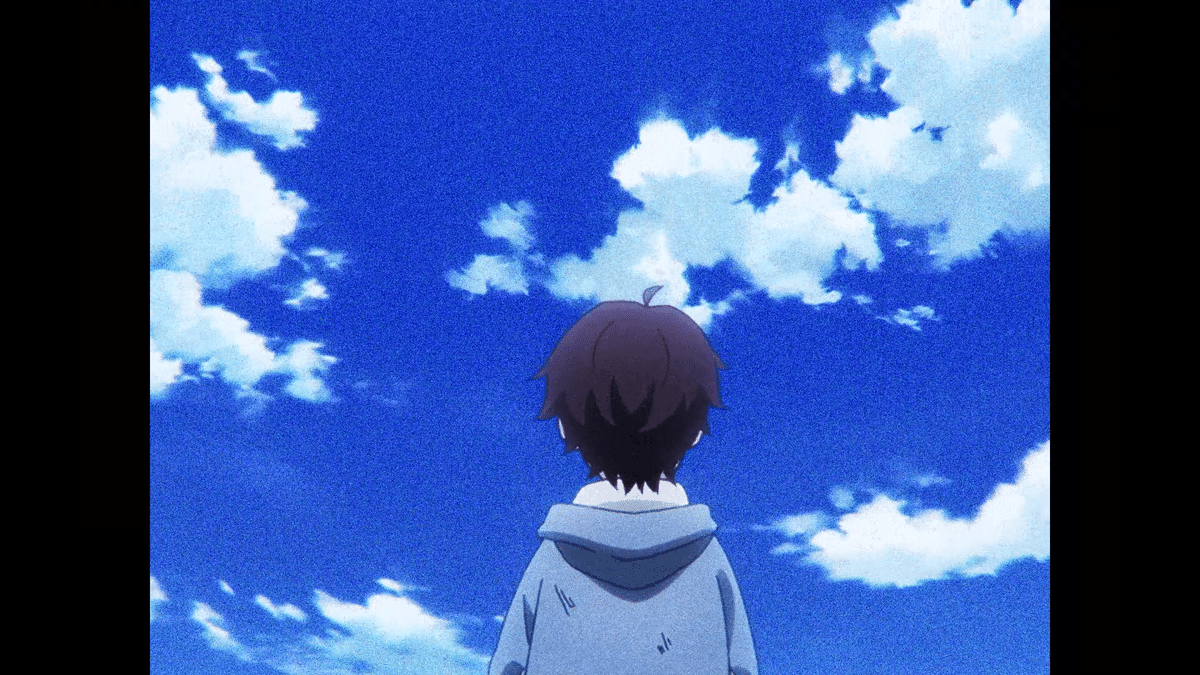
The horse racing commentary you occasionally hear in the background was recorded with an absurd amount of passion. The Yostar Pictures crew — including producer Inagaki-san — are really particular about horse racing, to the point that they even prepared proper scripts for it. Of course, within the actual episode it’s ultimately just part of the background noise, though.
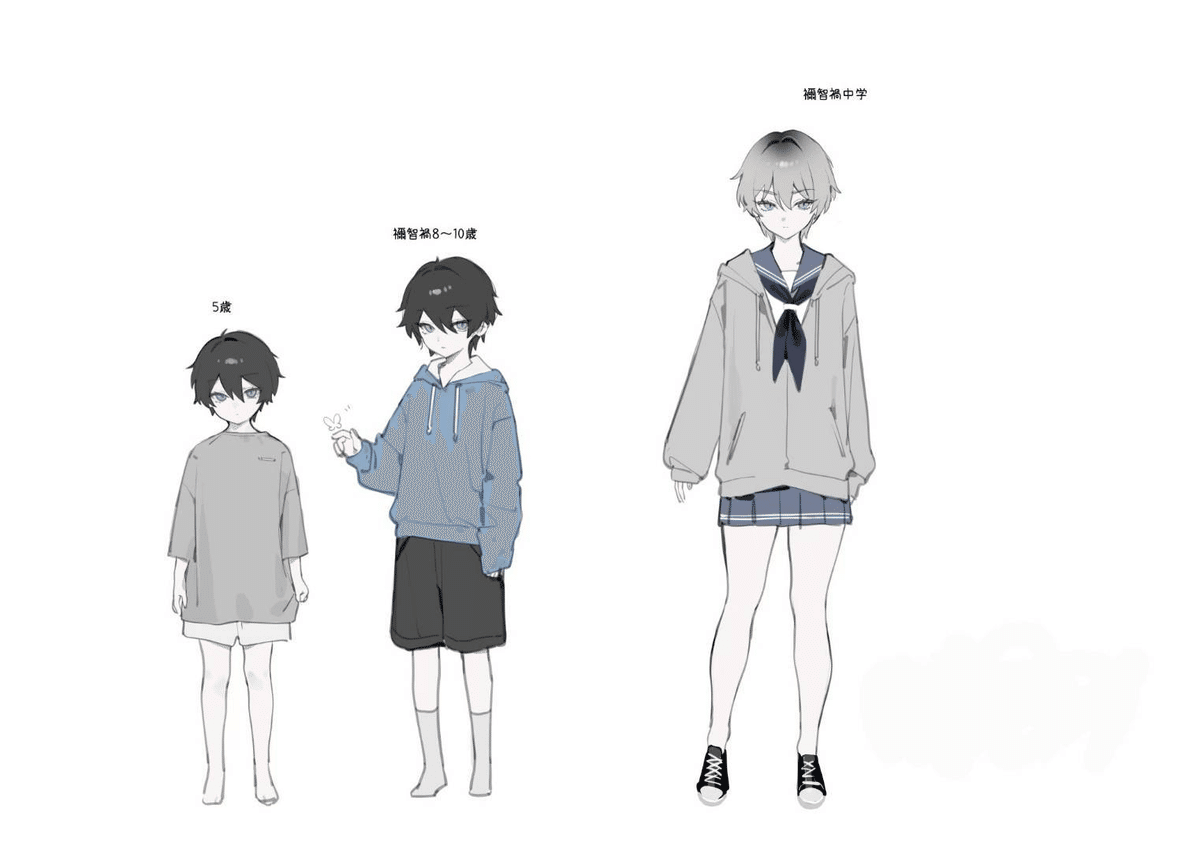
Nechika growing up.
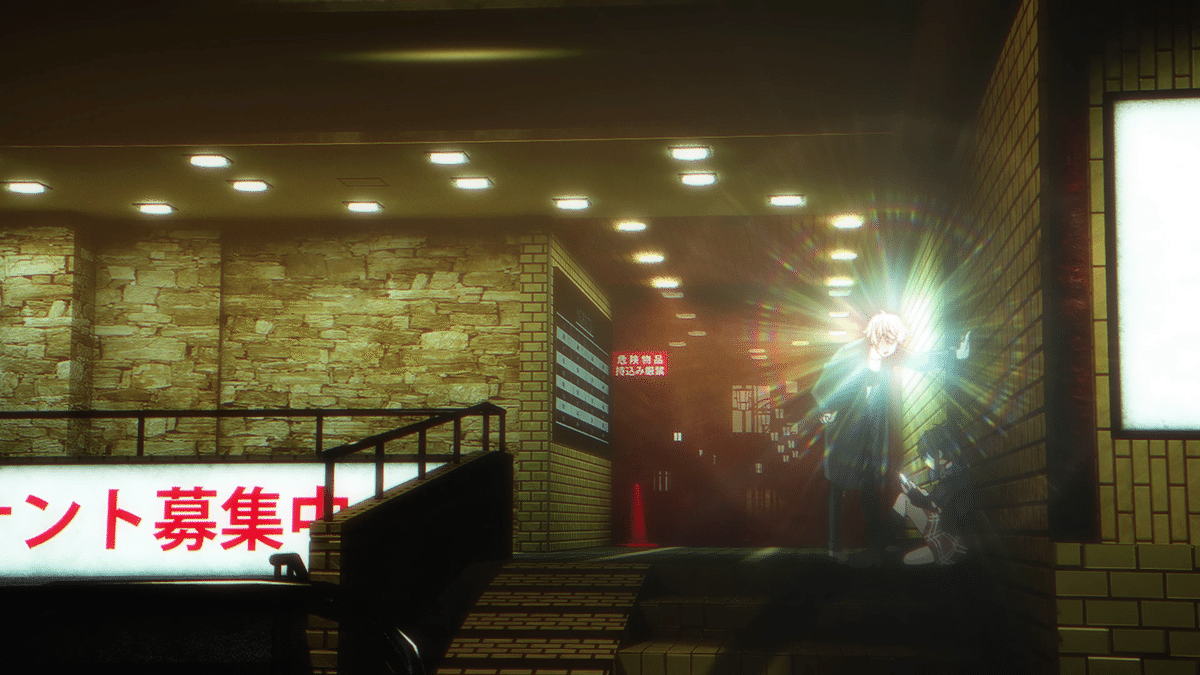
As the anime reached the point where the main story really needed to start moving forward, I entrusted Nechika with the role of deeply interacting with Ame, who serves as one of the key characters. The other two, for various reasons, simply aren’t capable of filling that role. All of that sense of stability and reassurance was placed onto her shoulders. By coincidence, Hoshiki-san, who plays Nechika, is an incredibly dependable person in real life as well, and often took the initiative in keeping the cast together on set. This anime can be pretty chaotic in all sorts of ways, so having someone you can genuinely rely on was reassuring for all of us too.
And almost as if reflecting the atmosphere behind the scenes, Nechika herself also comes to carry the emotional core of the story.
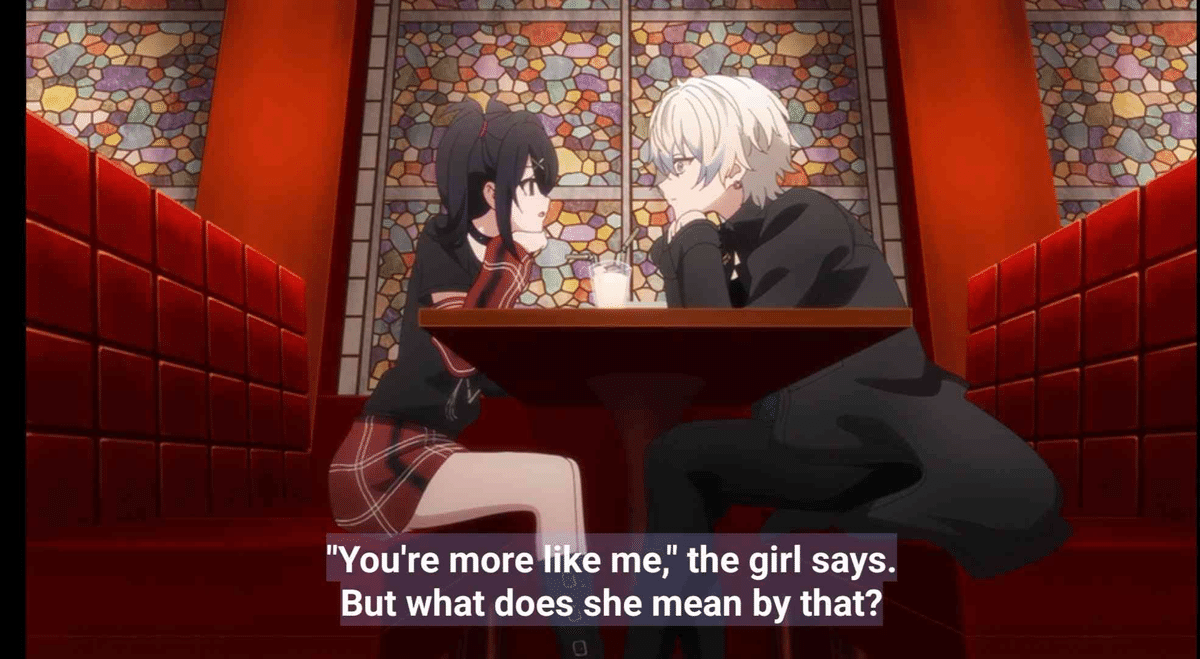
I wanted to challenge myself with an episode where the conversations and chaos unfold almost entirely inside a café. In a way, it was like throwing a difficult problem at the director: how do you make characters energetically bounce off each other in a setting that’s intentionally limited and visually static by anime standards?
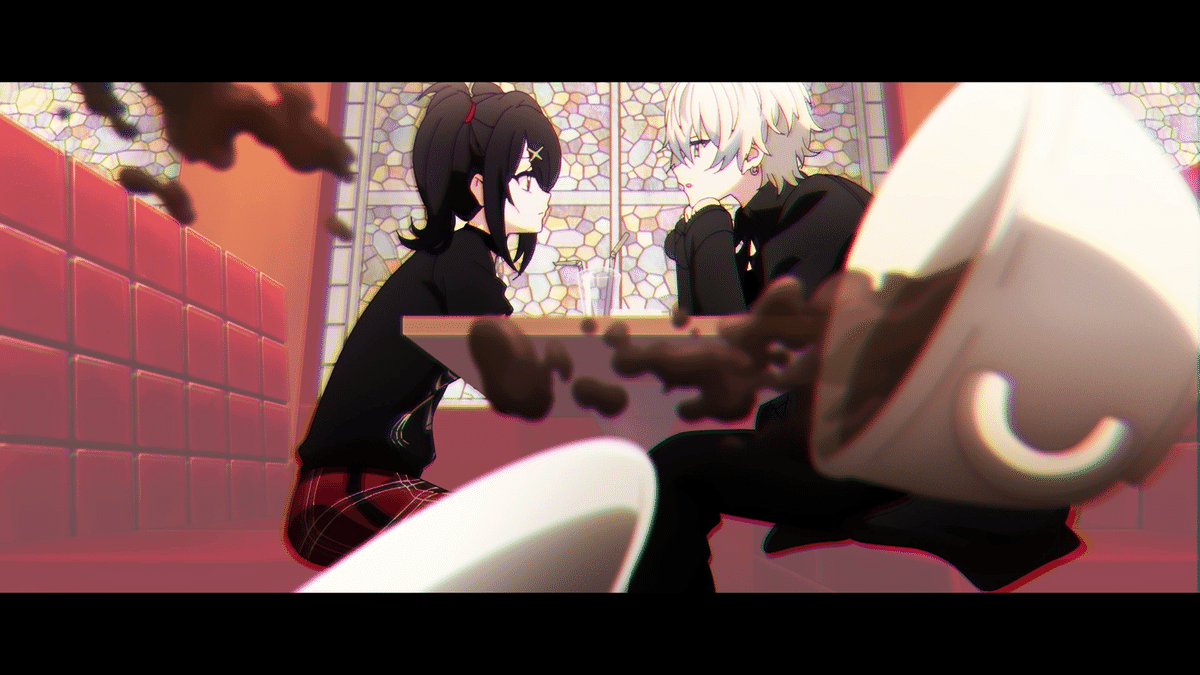
I love the little creative tricks that were born from that constraint.
Moments like this really remind me what makes visual storytelling so fun. I think we managed to capture a bit of that Coffee and Cigarettes-style atmosphere, and I’ve been enjoying that aspect a lot.
By the way, the waitress was loosely inspired by Chisato Moritaka — though it has nothing to do with the actual story.
It’s only a subtle influence, but I wonder if anyone noticed.
To me, the image of an “idol” will probably always be represented by Chisato Moritaka.
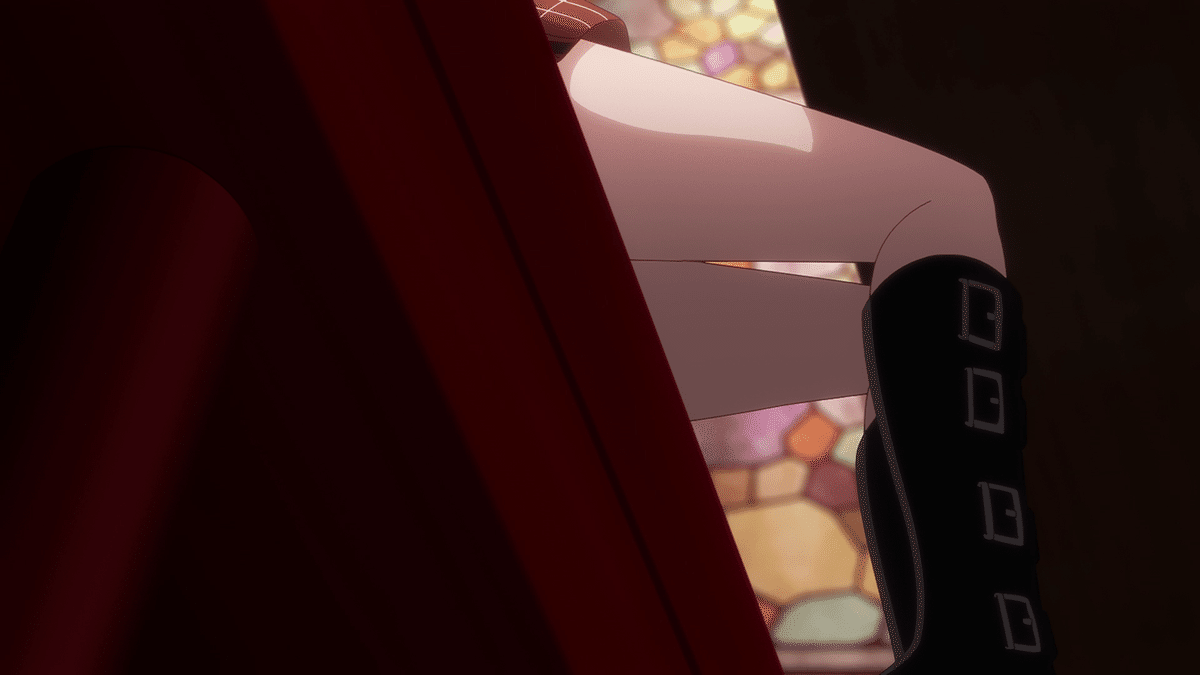
Nechika carries a lot on her shoulders.
In many ways, she’s the one quietly handling all the “plain but important” things happening behind the scenes, even absorbing some of the narrative burden herself. But because she remains such a dependable central pillar without complaint, the story is able to keep moving forward no matter how wildly the others spiral out of control. And yes — from episode 7 onward, the plot finally starts advancing in a much clearer direction.
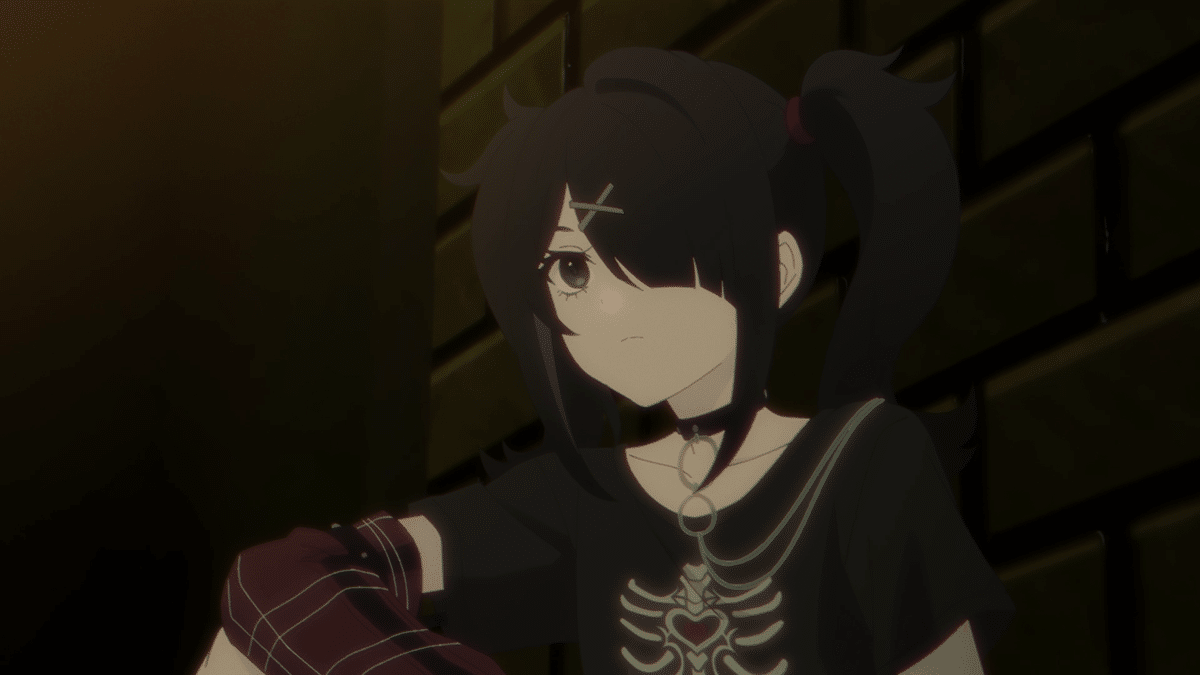
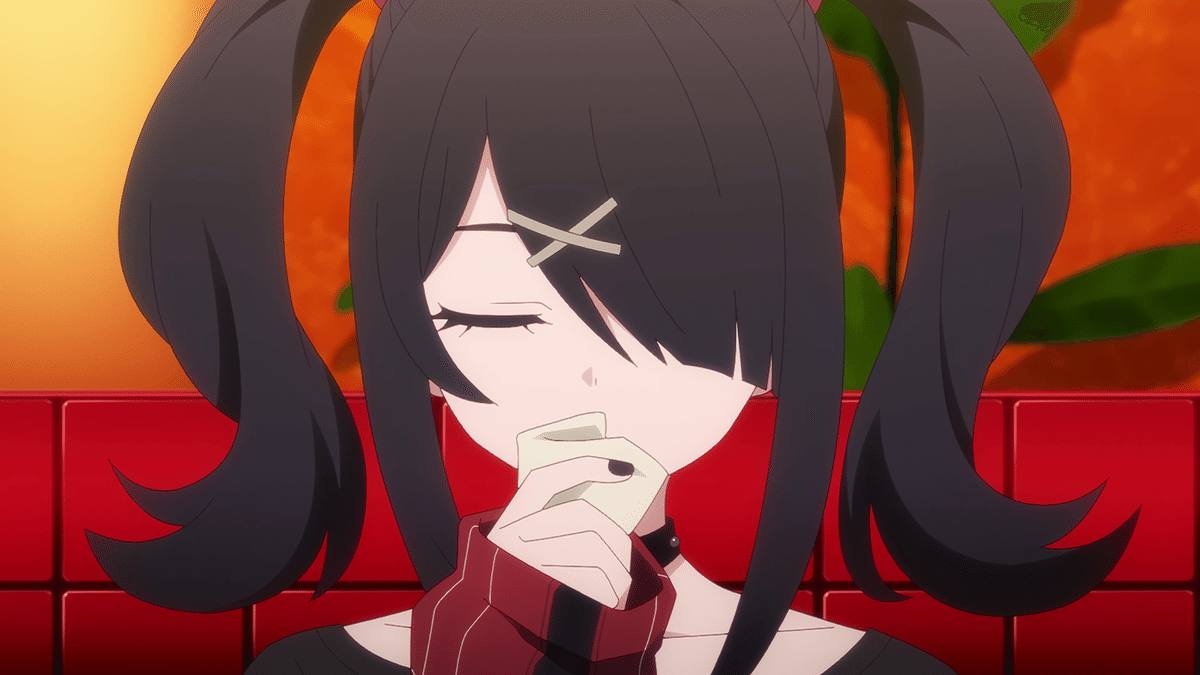
Episode 7 is the first time we finally get to see Ame acting genuinely human — such an ordinary thing, yet the series deliberately waited this long to reveal it.
This anime intentionally saves the kind of moments that make people go, “If you’d been doing this from the beginning, it would’ve been way more popular!” until much later, almost just to frustrate the audience. It’s unstable in that sense, just like Ame herself in the game.
Which is why, once the story moves into episode 8 and beyond, you start getting a lot more of the things viewers had probably been hoping to see. And Nechika is the one who manages to draw out that side of Ame — the person capable of making even her slowly open up emotionally. Up until episode 7, we’d only shown fragments of Nechika’s strengths, so I hope this episode helped convey her more understated, quietly refined charm.
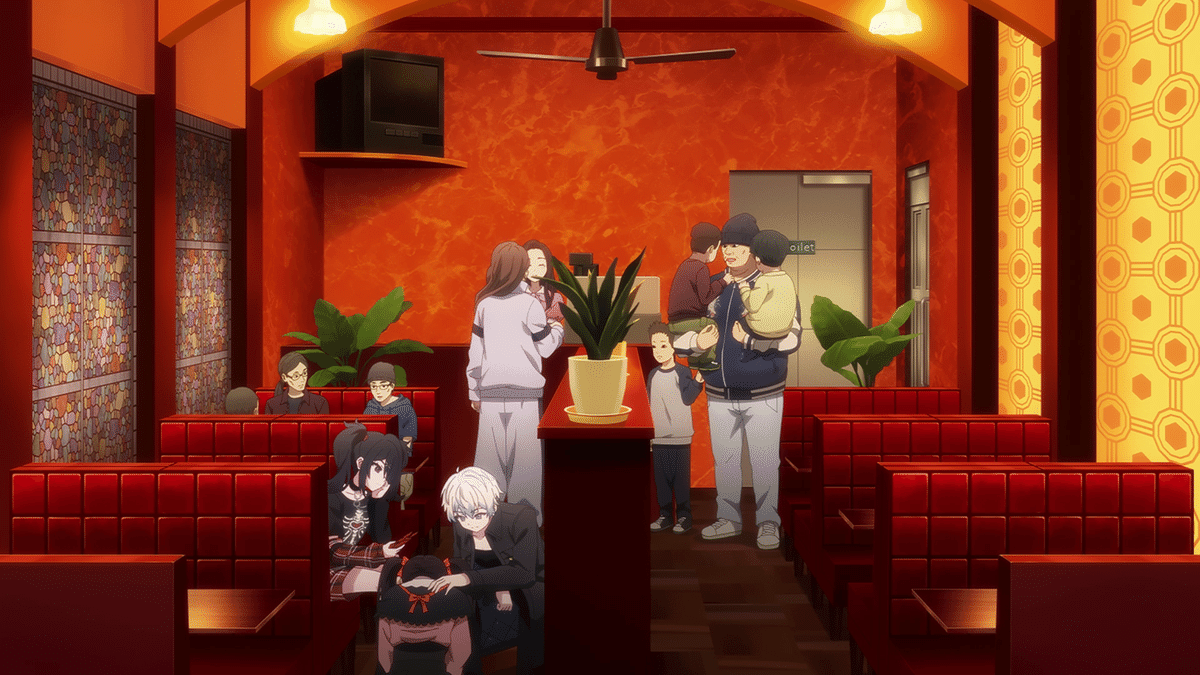
What a chaotic visual.
Everyone’s living their own life.
Director, couldn't you have given this girl a slightly cuter face!?
By the way, some of the main cast members actually voiced background characters in this scene too. Wonder if anyone noticed.
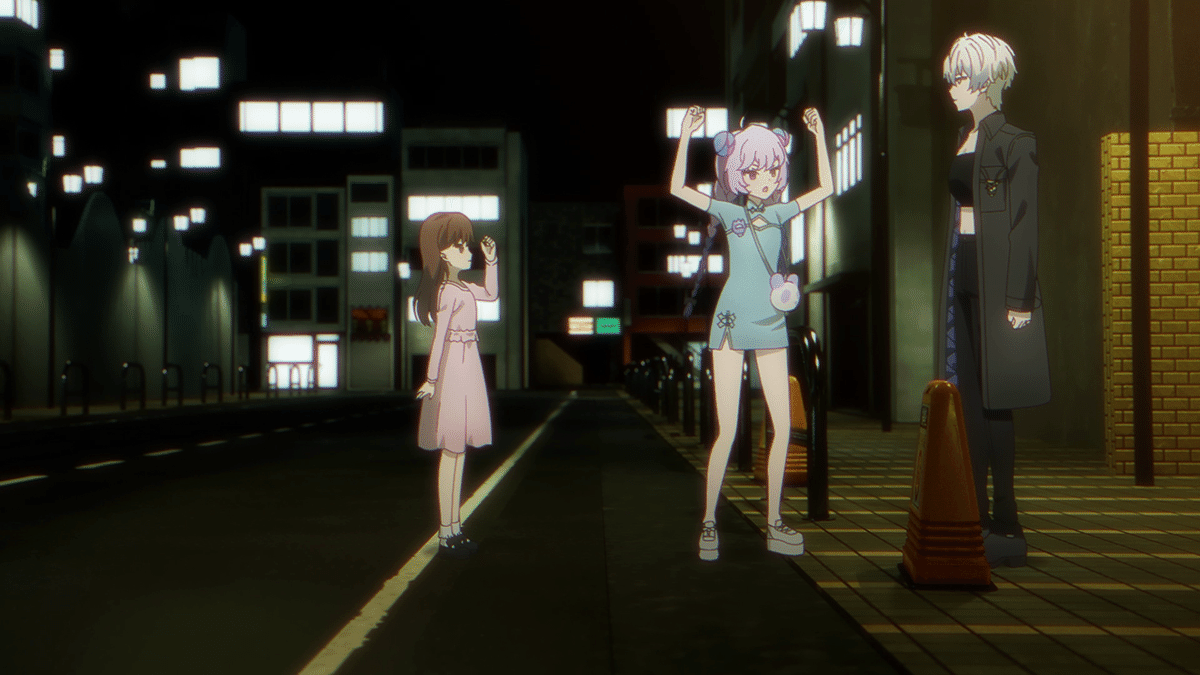
Nechika embodies a complicated kind of “goodness.”
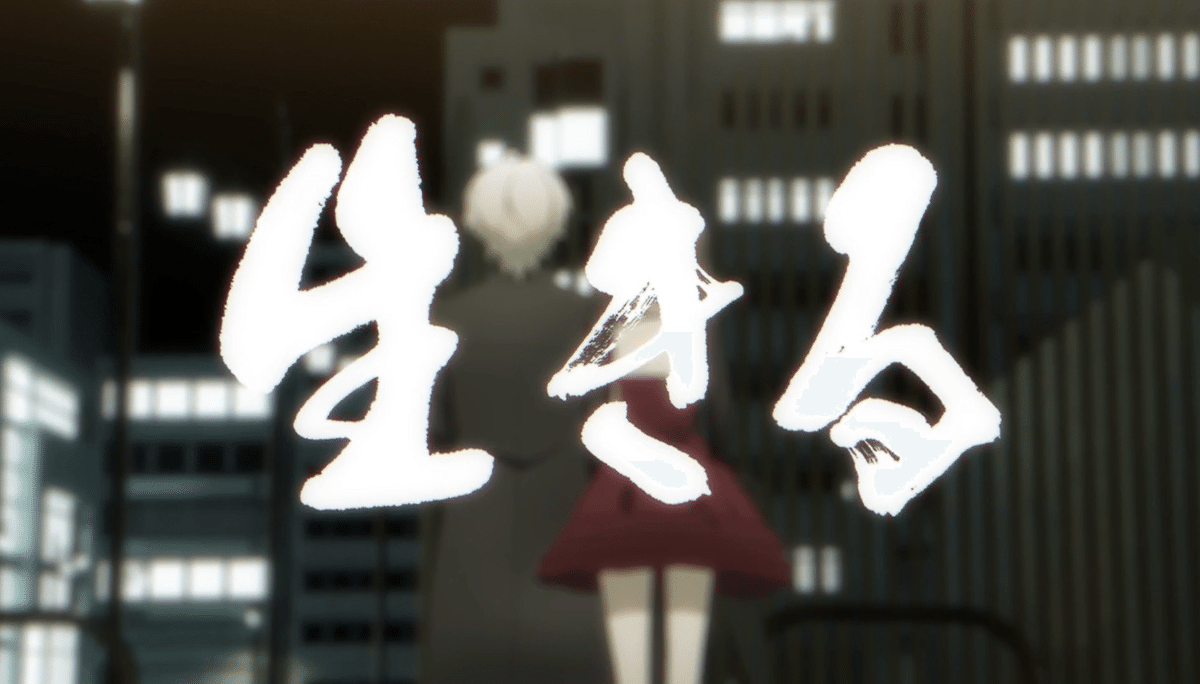
Which is why her theme ultimately becomes “Ikiru.”
There’s something almost Kurosawa-like about her story — a kind of bitter humanity that quietly asks what it really means to be “good.” It’s not flashy or dramatic, but instead carries the weight of an unassuming, grounded way of living. That, to me, is Nechika’s charm. She’s a good person. The people around her are too. But they’re still human, and humans make mistakes sometimes.
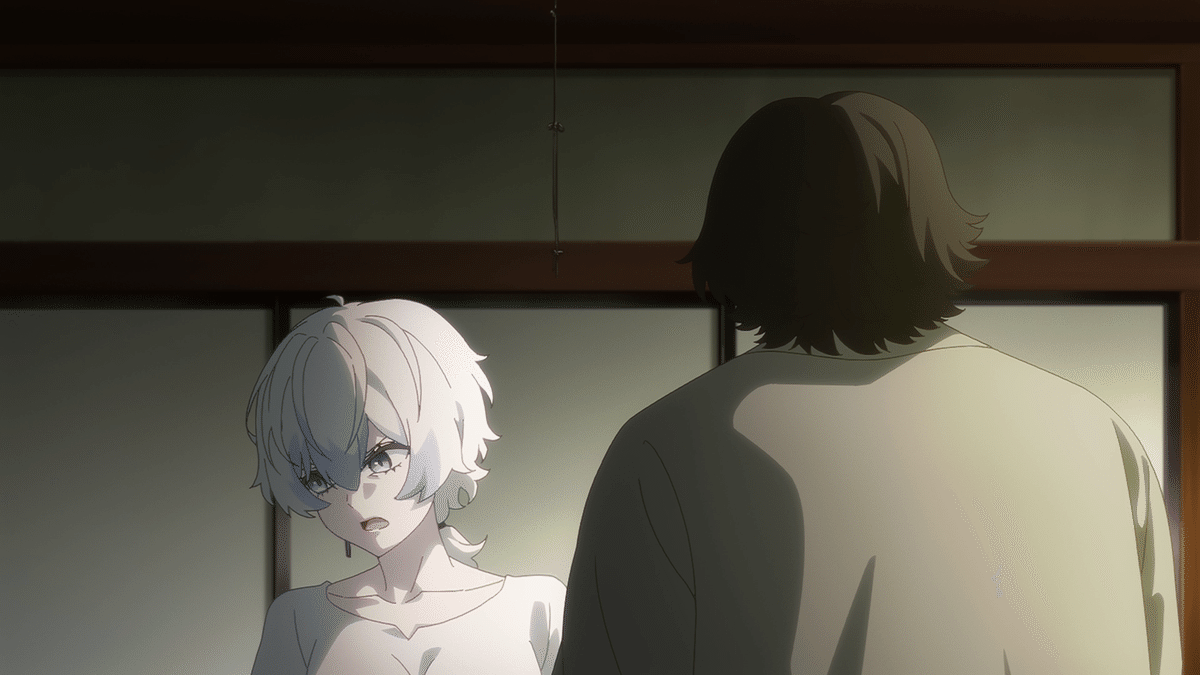
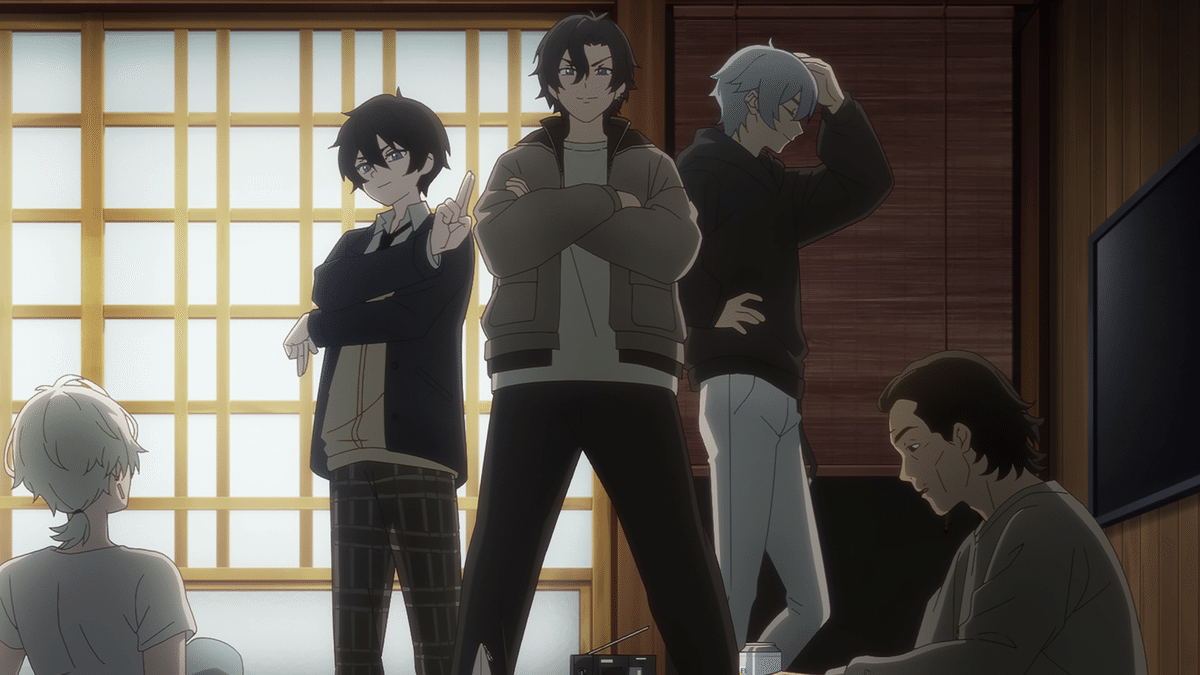
The family.
The little brothers.
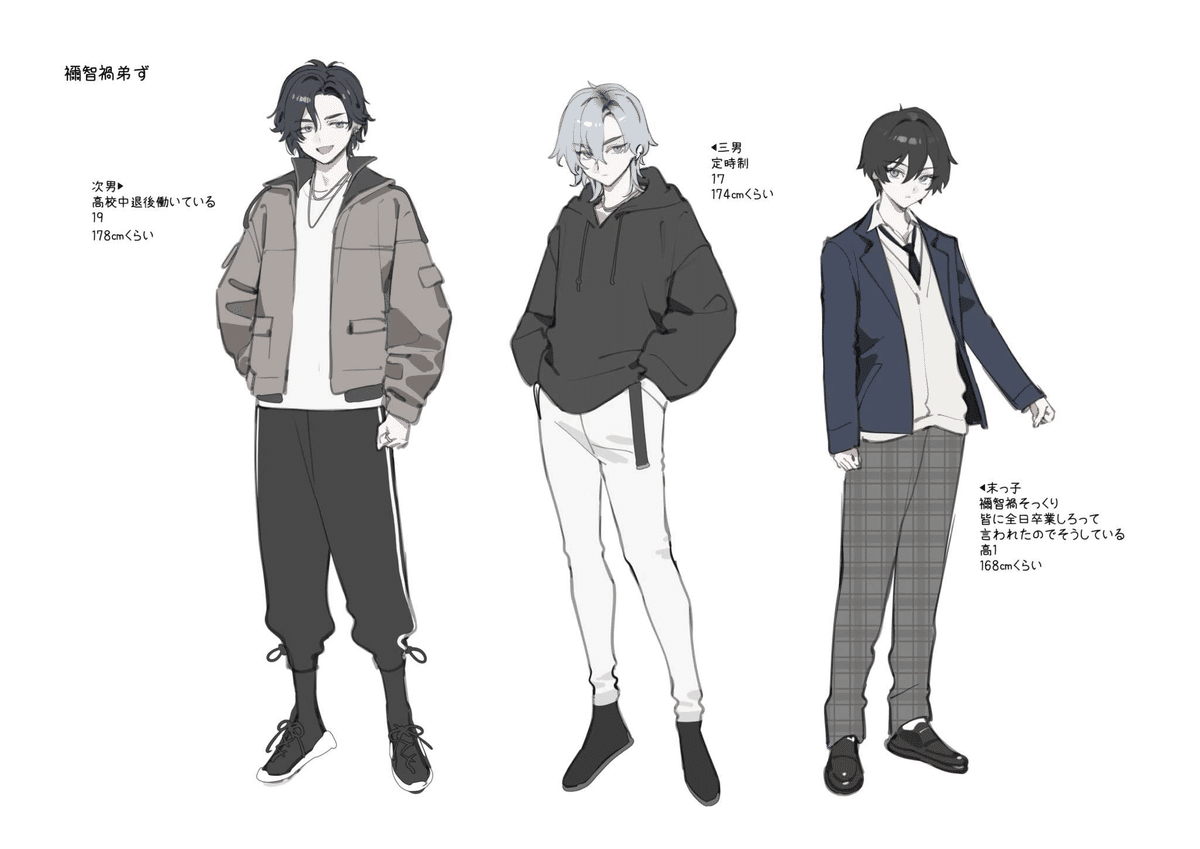
The fact that her younger brothers managed to grow up without becoming deeply twisted is itself the clearest proof of Nechika’s kindness.
Maybe because I grew up without knowing my own father, I ended up writing a father figure who feels very human to me — clumsy and flawed, but still holding onto just enough conscience and guilt. I’m quite fond of that aspect. The director also really liked how unexpectedly straightforward and emotional this episode became. You know how even series like Kaiji or Akagi occasionally slip in those sincere human drama episodes? In the end, it always comes back to people and their relationships with one another.
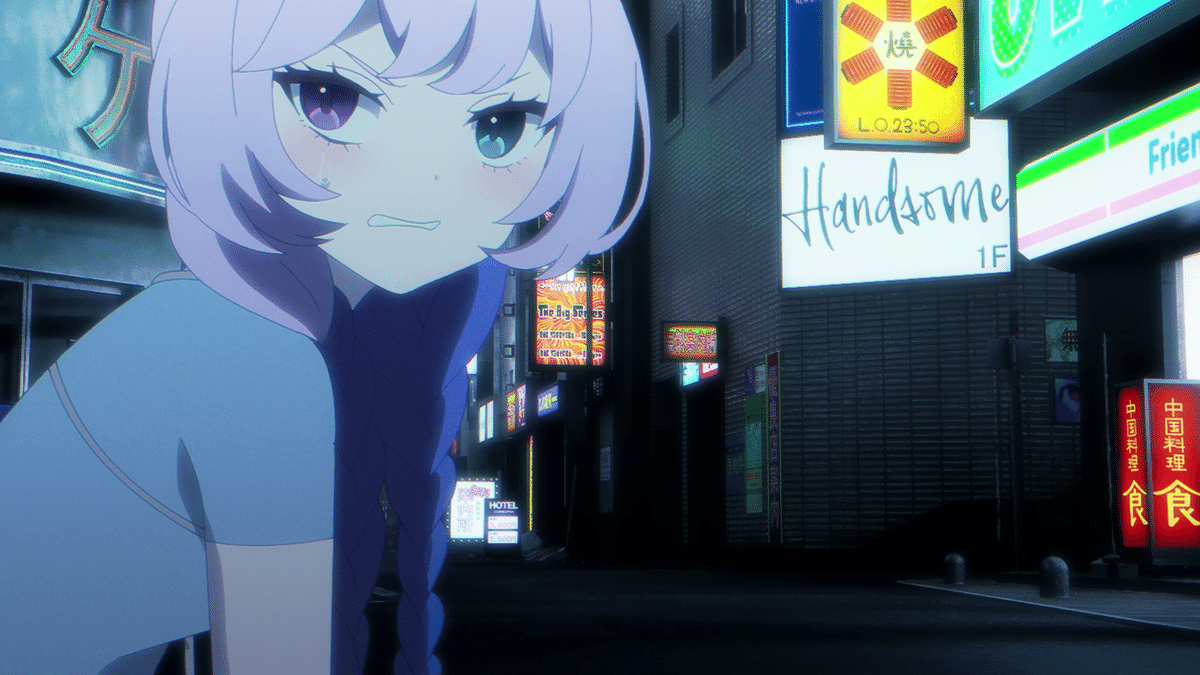
Cute.
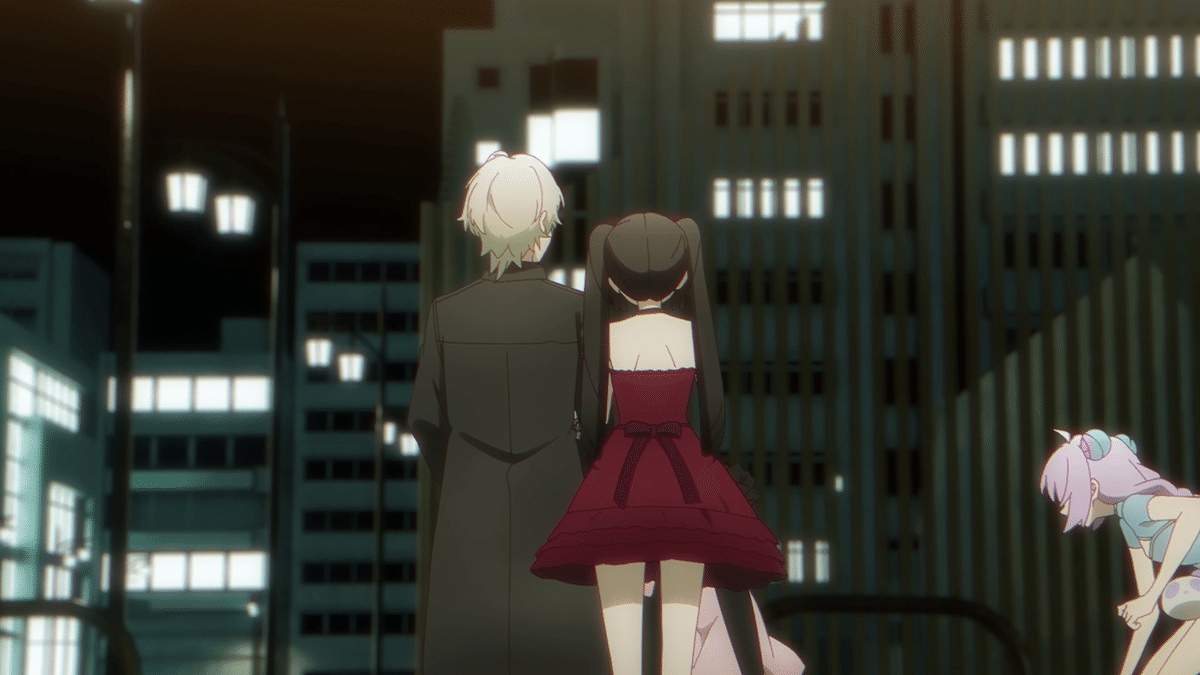
I’ve always loved the ending of YuYu Hakusho, where Yusuke’s estranged parents awkwardly stand beside each other again despite everything. Even as a kid, I remember being surprised, thinking, “So adults can have relationships like this too.” Seriously, what is it with Yoshihiro Togashi and his ability to slip in those quietly mature, bittersweet relationships right at the end, and make them hit so effectively?
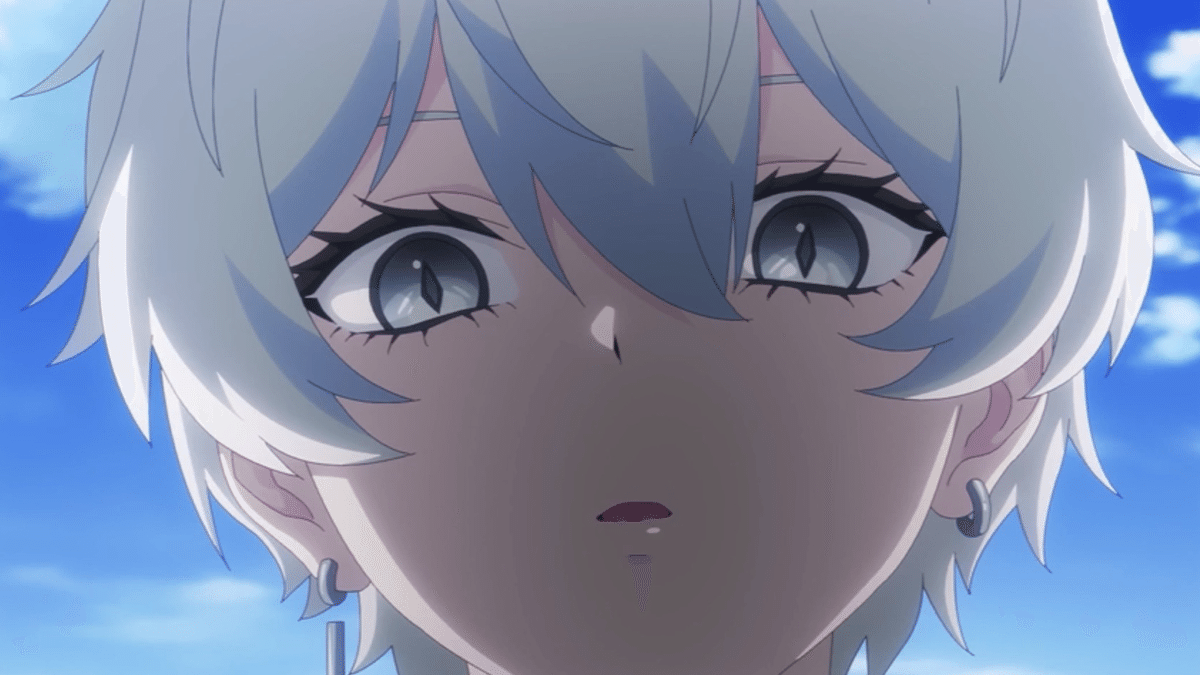
A rare expression.
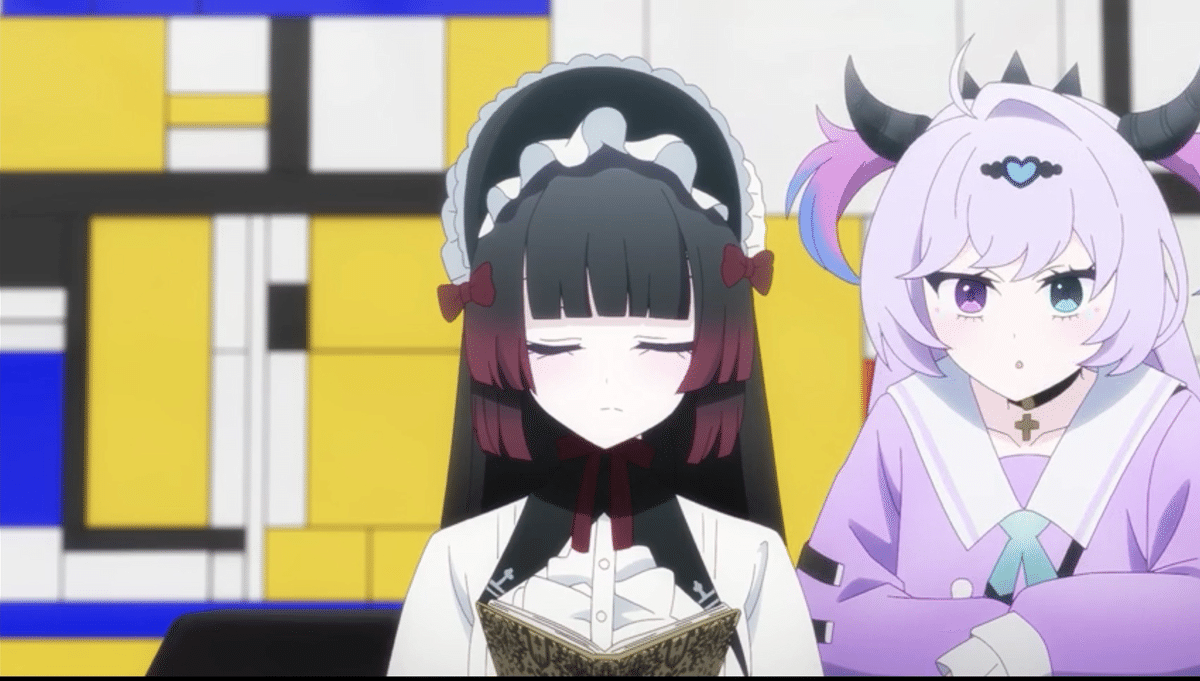
When the two of them are alone together like in Episode 6, they’re probably rambling about glam rock and Pete Burns or whatever. Honestly, that’s terrifying.
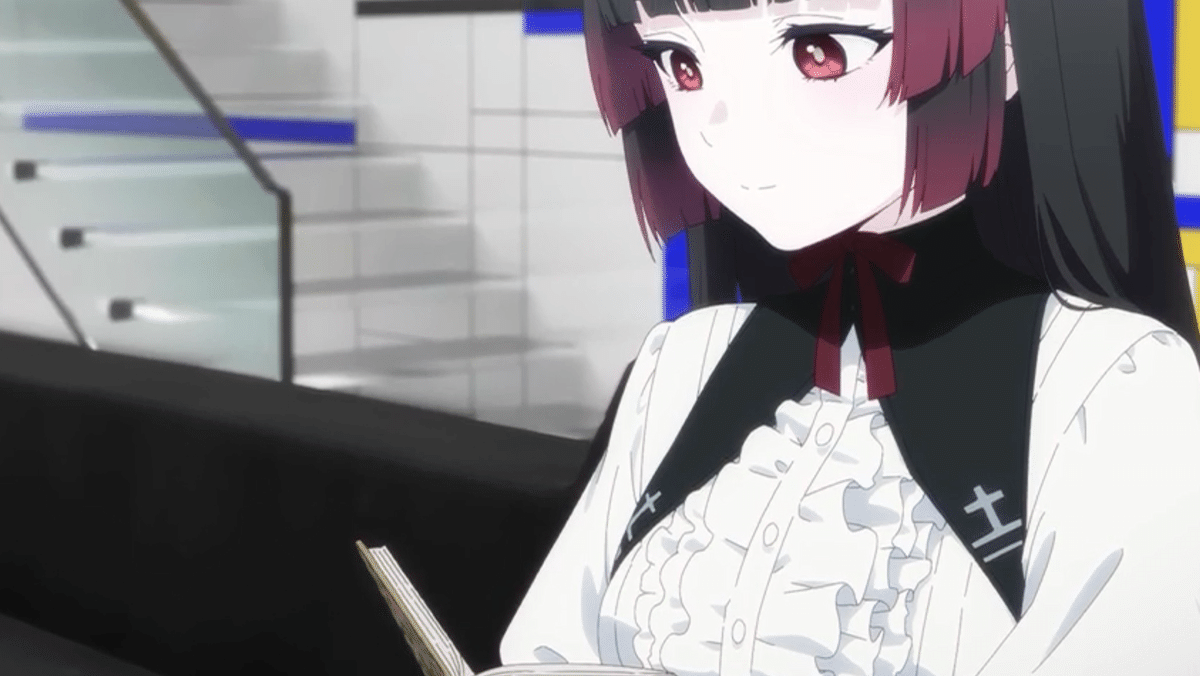
When she’s absorbed in the world of books, she wears a gentle expression.
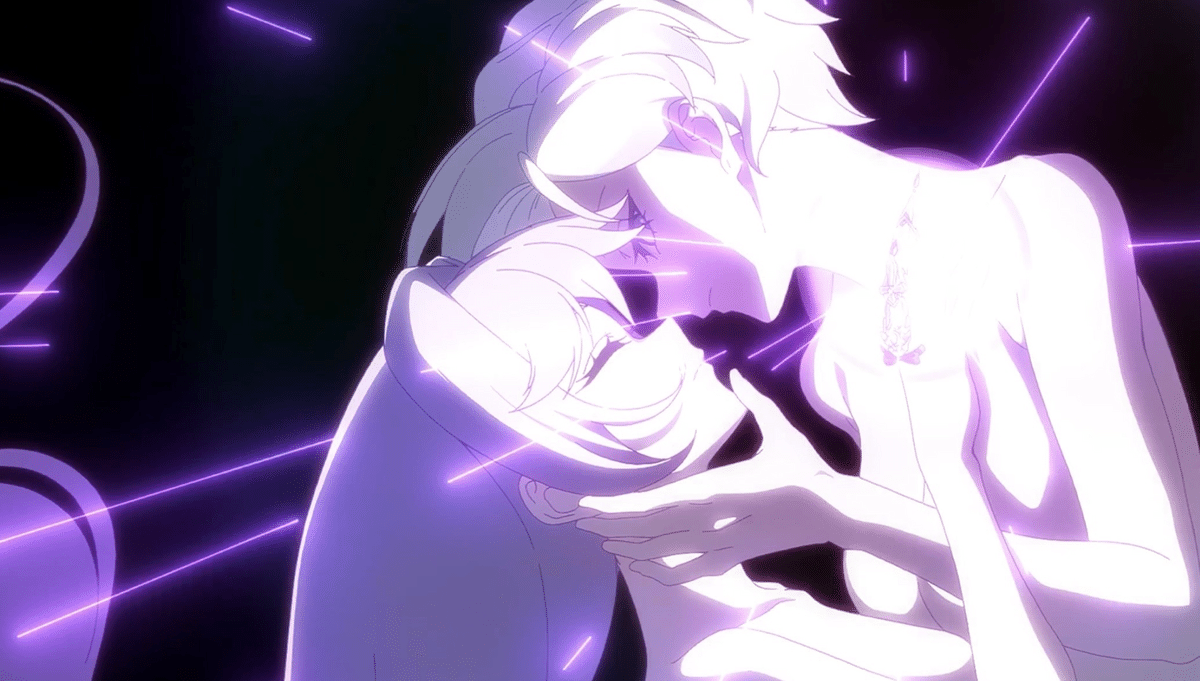
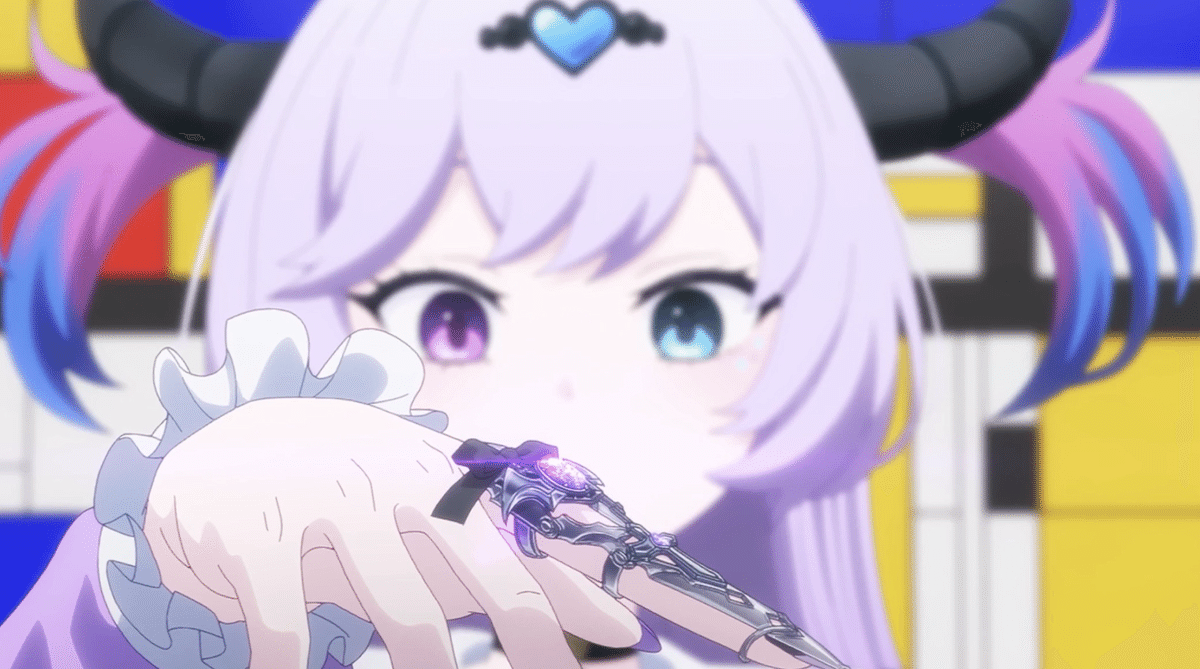
Nechika’s gift was a ring.
A sharp armor ring, meant to pierce through every absurdity in the world.
Nechika… I’m glad for you.
I’m especially attached to the three character songs.
Haraguchi-san and I somehow dragged ourselves across the finish line of that brutal schedule while screaming the whole way through it!
Maybe I should write a separate article someday about my feelings toward those three tracks.
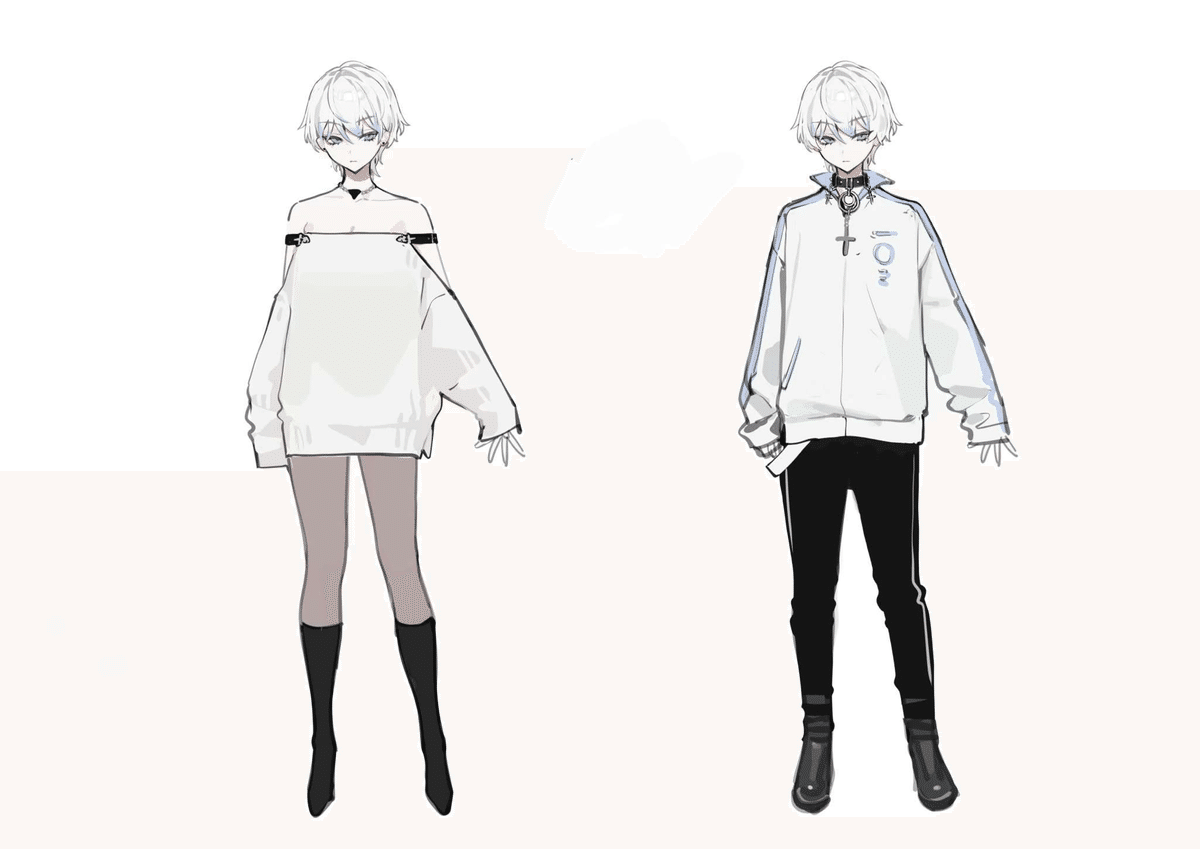
It was Nechika’s episode.
Thank you for truly facing Ame-chan.
Comments (4)
Leave a comment