


Unpacking.
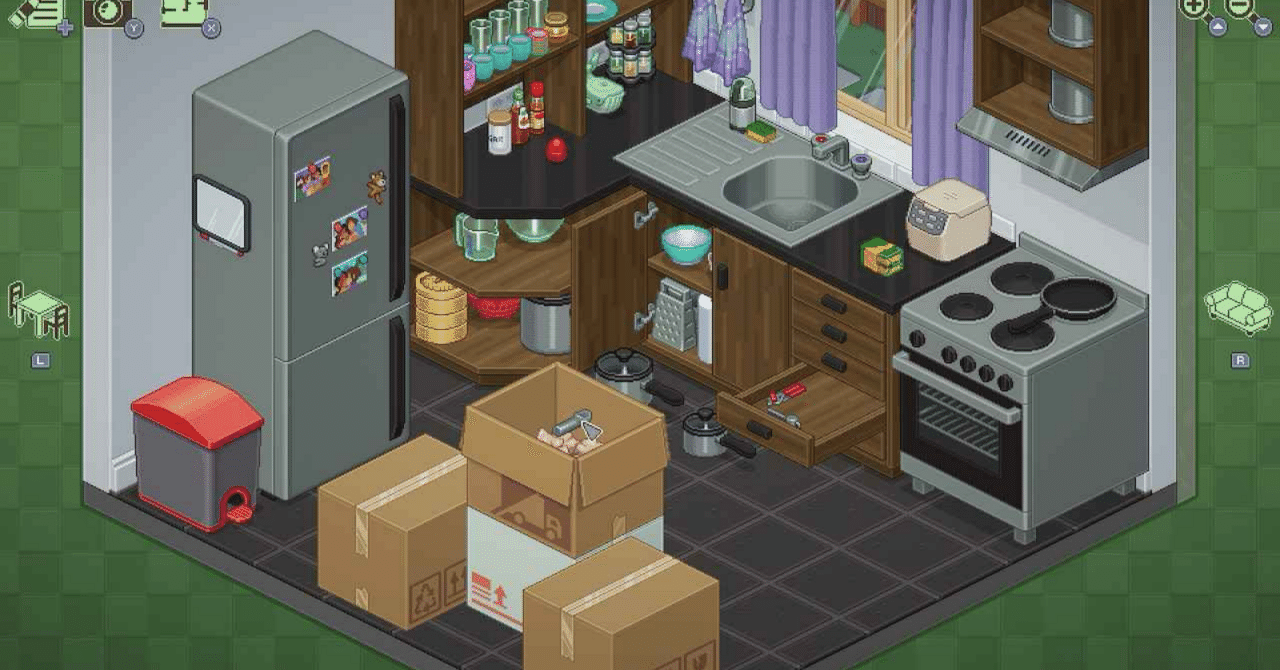
An indie game from Australia. It’s technically a puzzle game, but not a particularly complicated one. Honestly, it’s difficult to compare it to anything else. It has a very unique feel.
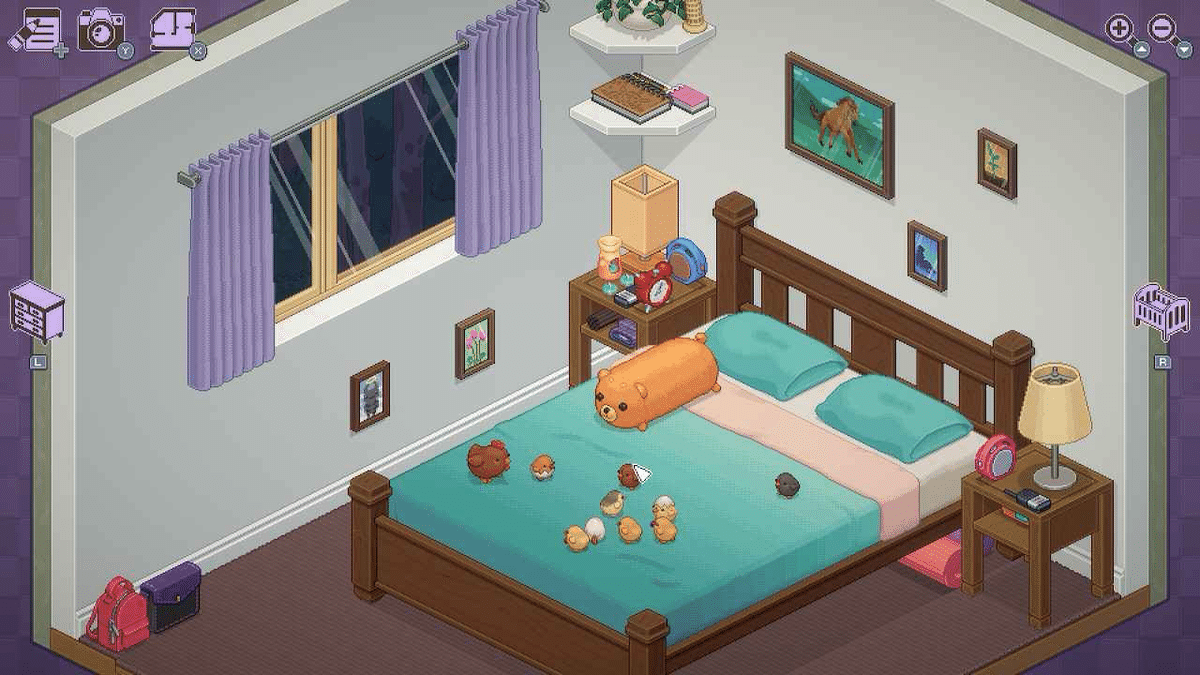
The goal is simple: “unpack moving boxes.”
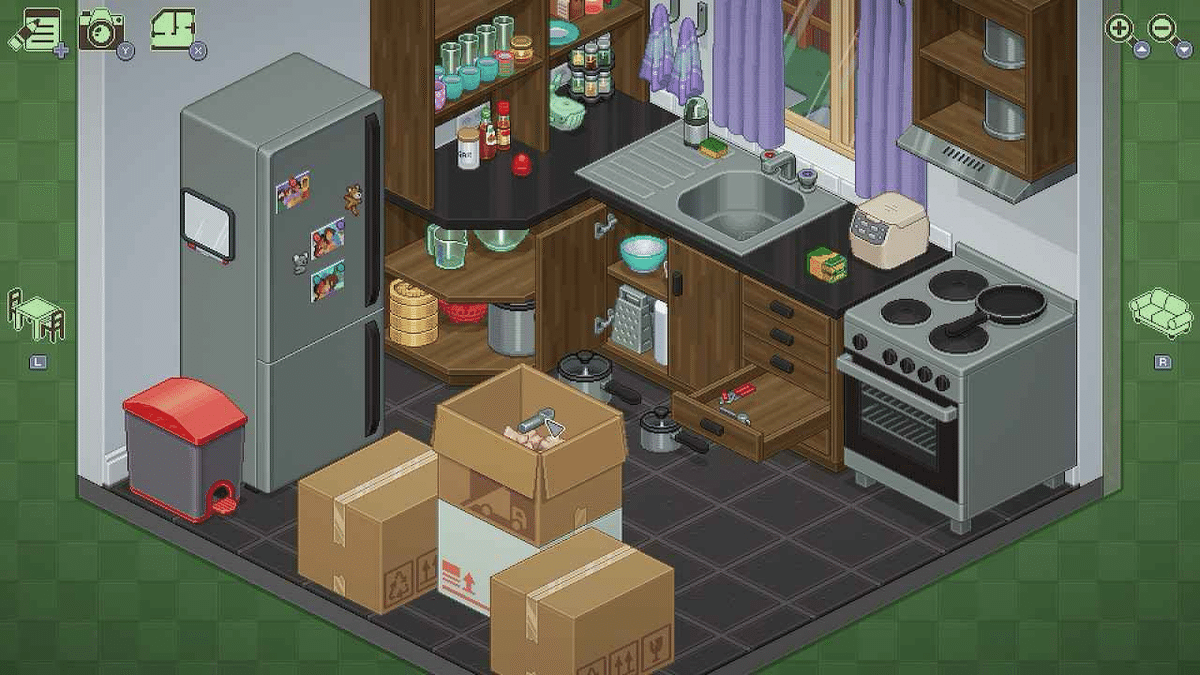
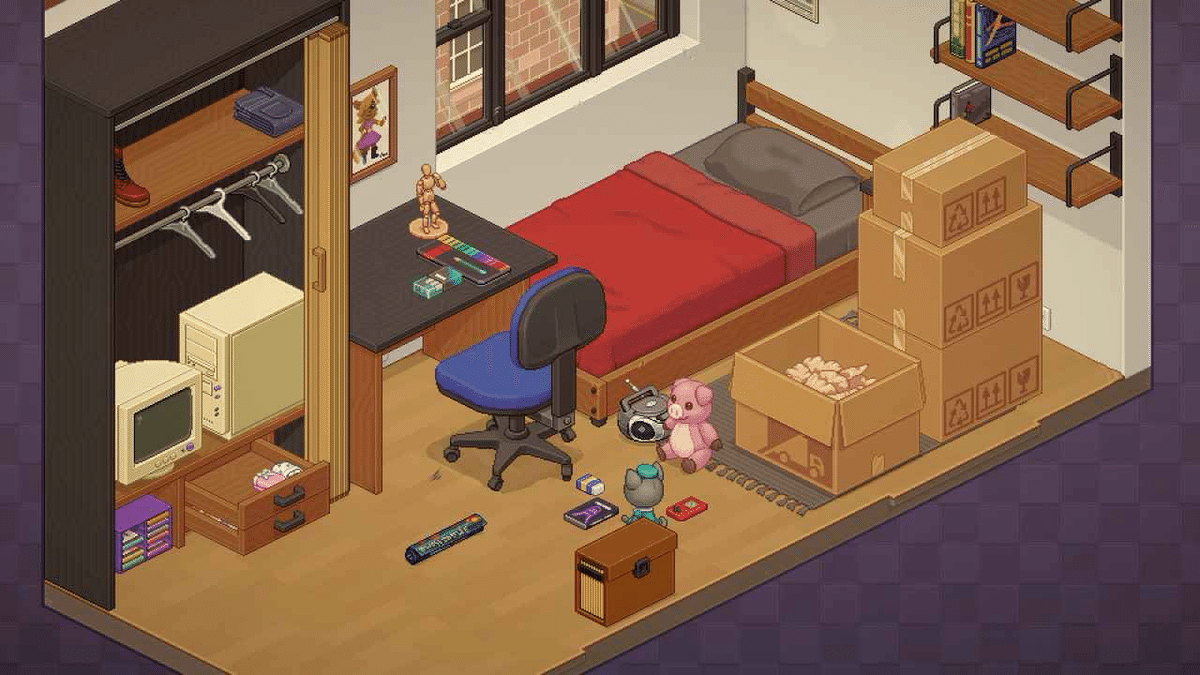
You open cardboard boxes, then place the items somewhere. Again and again. You’re meant to put things where they properly belong, but there’s still a fair amount of freedom to it, and once the space gradually starts feeling like your own, there’s a real sense of satisfaction.
That said, my favorite part of the game is probably the pixel art itself. Just staring at the delicate pixel furniture and clothing feels good. Simply moving objects around becomes strangely calming, almost like a form of Zen.
Because nothing particularly dramatic ever happens, you’re able to focus entirely on the visuals and the music. In that sense, you could even say it’s a game devoted to enjoying the beauty of pixel art to its absolute fullest.
Well, I’m also the type who constantly keeps things organized in real life anyway, so being able to do that comfortably in a game is naturally appealing to me too.
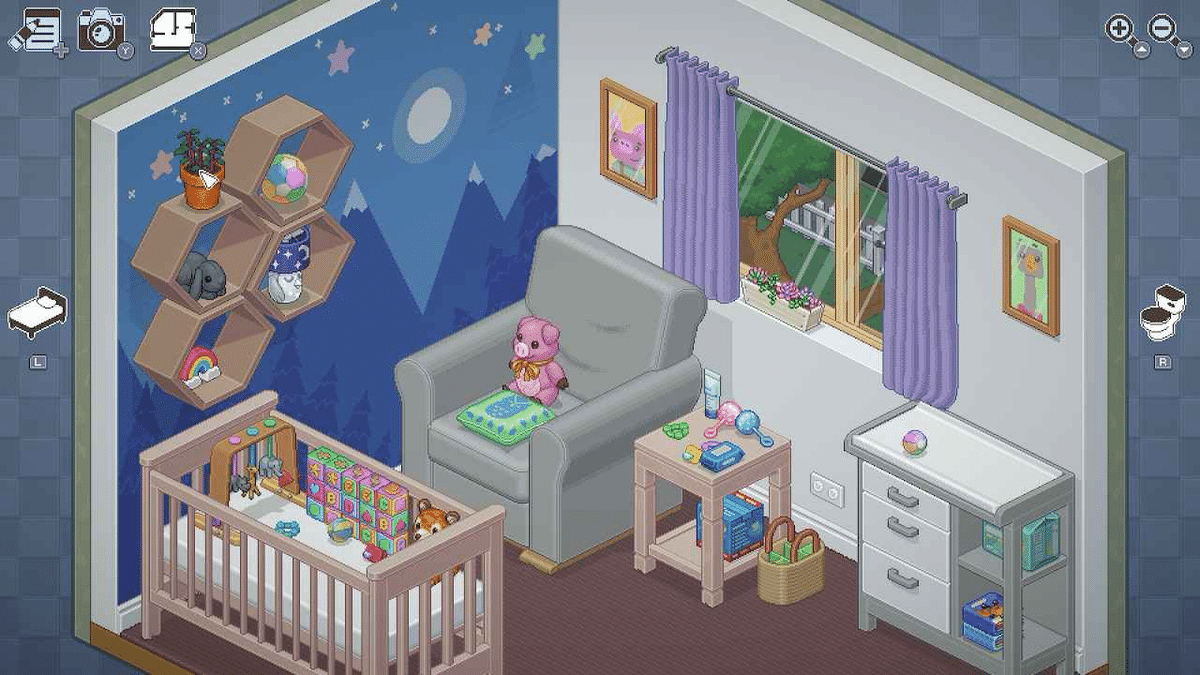
With each move, the protagonist’s lifestyle and roommates change, and little by little, you start seeing the personality and life of this unseen main character emerge. You notice toys and stuffed animals they’ve treasured continuously since childhood. The story progresses in an extremely gentle, gradual way.
And this is where the game becomes truly distinctive.
This gets into spoiler territory, so if that matters to you, now’s your chance to turn back.
What’s surprising about Unpacking is that, within all these imagined fragments of story, there’s almost no darkness at all. Of course, there are moments of ordinary human sadness, but fundamentally the game remains about a clean, careful life continuing onward, and the act of arranging things never really changes. There are even ways to clear stages by making everything a complete mess, yet the story itself remains untouched.
A Japanese creator would absolutely hide some darker implication or secret subtext in a setup like this. If this were a Japanese game, it probably couldn’t sincerely believe in the ideas of “careful living” or “the warmth of family.”
After visiting Australia myself, I started to understand why. That country has a genuine faith in warmth and abundance. So many people there live surrounded by kindness. Because of that, they’re able to present a slow, straightforward work like this completely earnestly, without twisting it into something cynical. That’s undeniably a kind of cultural individuality. What moved me most about this game was realizing that it truly believes in living carefully and gently to this extent. If I were making it, I wouldn’t be able to resist slipping in scattered hints of something darker, and the moment I did, the entire thematic core would shift, and the work would never reach this kind of purity.
I see now. And because of that, the game ends up feeling sharp in its own way after all. It stays with you. That really is what indie games are about.
Comments (4)
Leave a comment