


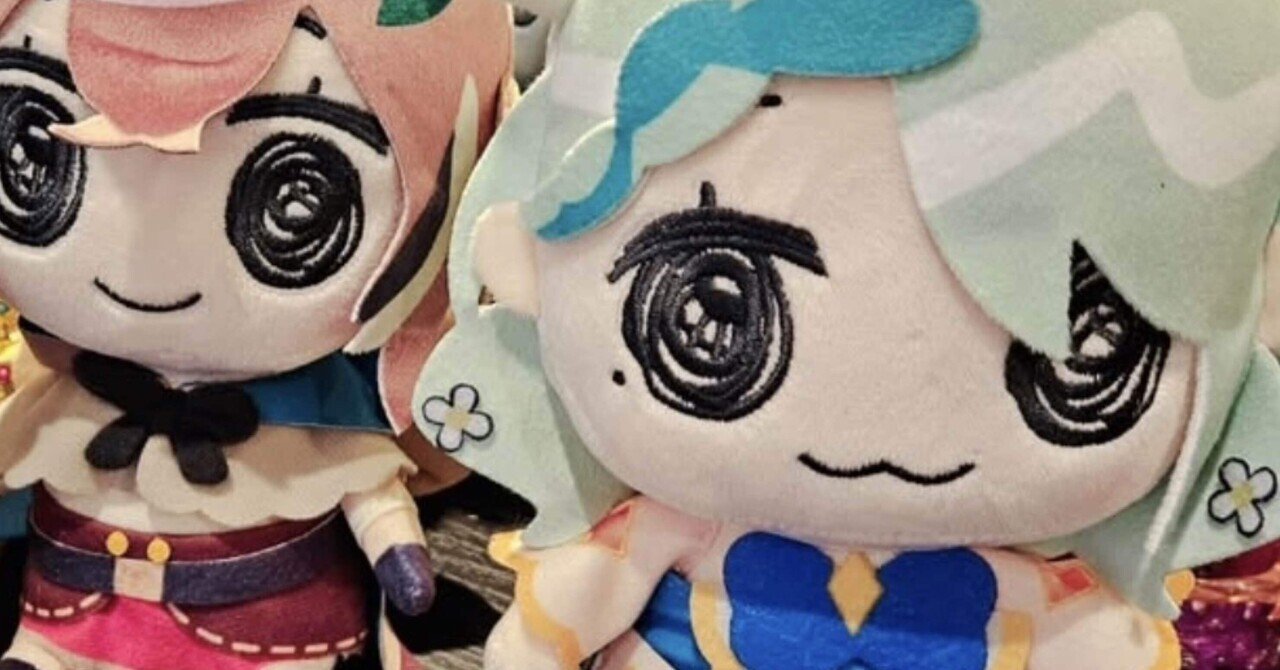
※Originally published on note, Dec 2, 2024.
Ceres Fauna was a woman of remarkable intelligence, refinement, and quiet dignity—someone truly worthy of respect.

When she once held a debate on coffee vs. tea, she delivered a long, earnest argument praising tea, centered on the amino acid theanine.
When the coffee side heckled her with,
“You’re lecturing us like some teacher—this is exhausting,”
she shot back with a dramatic “Fine, I’m leaving!”
leaning into the role of a troublesome teacher on purpose to make everyone laugh.
It was an intelligent move: she understood that using her own character, and her genuine love for food and health, to engage in a “serious debate in an entertainment stream” was exactly what would make it funnier.

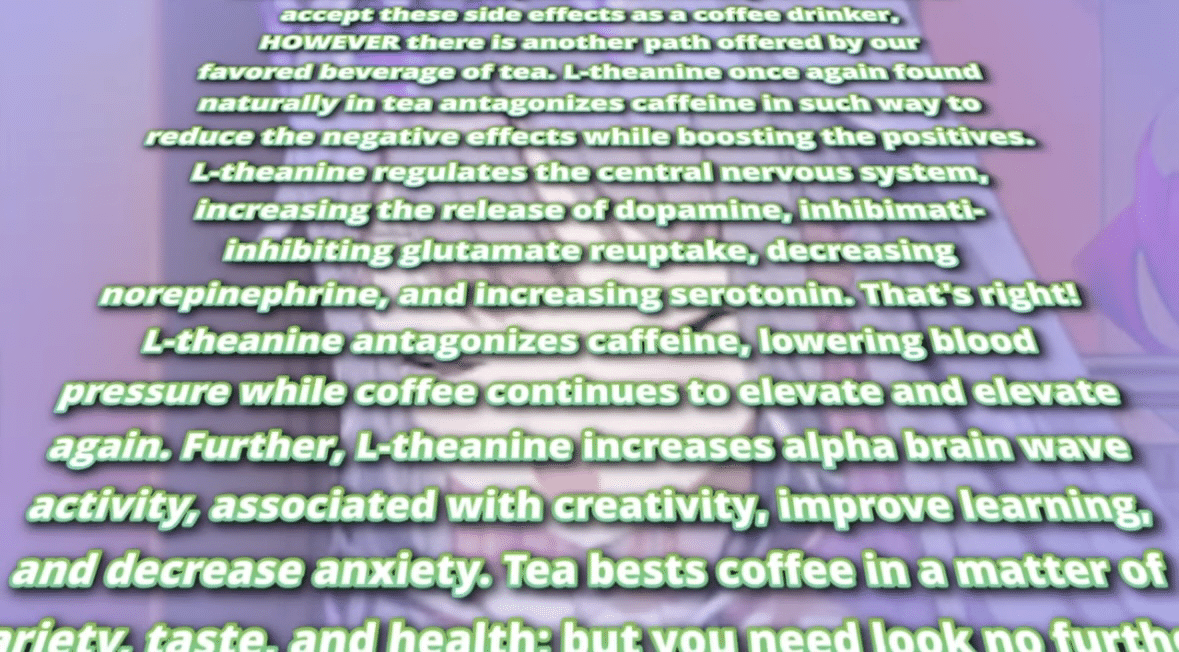
Her smooth, almost academic explanation of amino acids, and Biboo from the coffee side growing so bored she closed her eyes—this perfect balance, this ability to turn knowledge into comedy, was uniquely Fauna.
And the punchline—“Tea lectures make you sleepy, so drink coffee”—was sharp in its own right.
It was during this debate that I realized how genuinely enjoyable “real” debating can be.
And it was also one of the reasons I decided to follow EN culture more closely: because of her overwhelming grace and kindness.
She and her whole family are vegan.
In Japan, almost no streamer publicly identifies as vegan (Gura actually is, though she doesn’t say it much). I had always followed creators like Kenji Miyazawa, Hideaki Anno, and Renya Setoguchi—artists who don’t eat meat—so I had a deep curiosity about how veganism is understood in a culture where it is more common.
And since I was born without a sense of smell and never found much meaning in food itself, it resonated with me even more.
Perhaps the reason she talks so passionately about tea is also linked to her veganism.

Fauna had gone so many years without eating meat that she literally forgot what it tasted like.
One day, at a restaurant, the staff accidentally served pork dumplings instead of vegetable dumplings.
Her family, unable to recognize the taste immediately, happily ate them, saying, “These are delicious!”
What struck me was how honestly she recounted the story:
“I have to admit… it tasted good.”
And then she continued:
“We don’t avoid meat because we dislike the taste.”
The sincerity in those words—the pride of someone who lives according to her beliefs—made me feel I needed to learn more about a form of moral dignity that Japan rarely talks about.
She also said, “It made me really sad. I love pigs. Like… love them enough to kiss them.”
In her expression, I could see the conviction and meaning behind a family choosing to live as vegans.
Even if her lifestyle rejects eating animals, she still loves animals, nature, and food deeply enough to say “honestly, it tasted good” out loud.
To speak such a story so plainly on stream felt like something that belongs in an ethics textbook, and I was genuinely moved.
Thanks to her, I feel I understand Kenji Miyazawa’s heart a little better.。
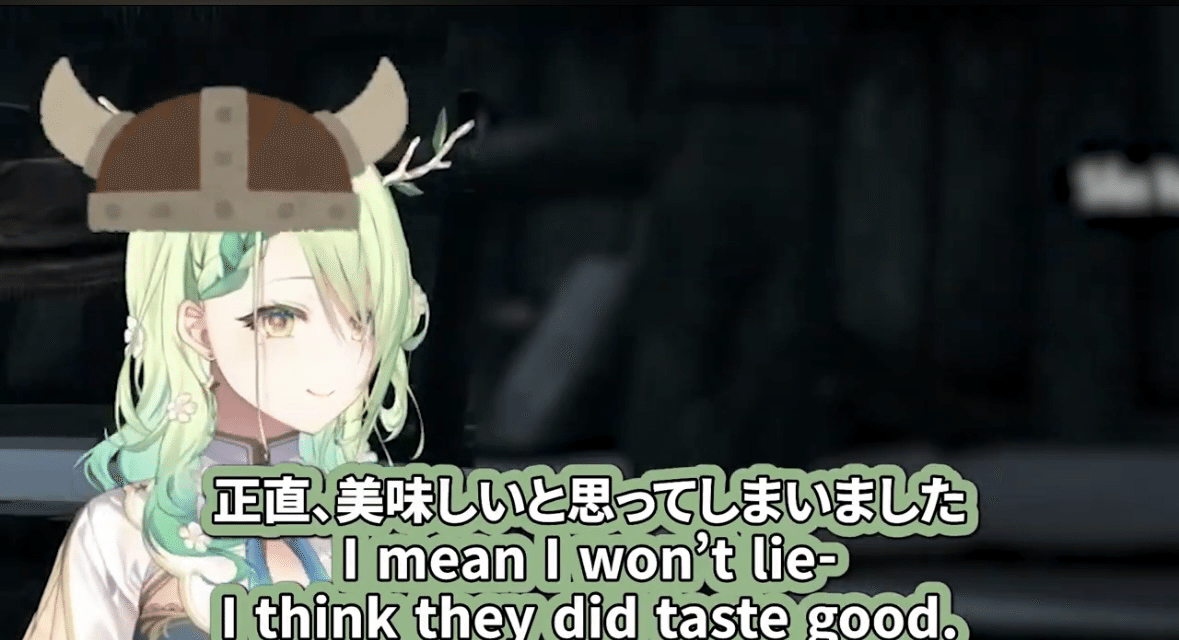
And now, Ceres Fauna is graduating.
Knowing how thoughtful she is, I’m sure it’s a decision she reached only after long, careful consideration.
It’s sad that we won’t be able to hear her clear green glow and gentle voice anymore, but precisely because it wasn’t a moment of rash emotion, the sadness cuts deeper.
Later, after my surgery restored my sense of smell, I ate meat for the first time while consciously aware of “the smell of an animal.”
The story she told came back to me.
The strong scent of pork carried with it the cruelty of “eating a living being,”
and at the same time the undeniable truth that “that’s why it tastes good.”
In that moment, for the first time, I felt I could truly say itadakimasu.
Comments (0)
Leave a comment
No comments yet. Be the first to comment!