


※This is a repost of an article originally published on June 6, 2023.
It seems that The Original, currently being held in Tokyo, is exhibiting a doorknob designed by Wittgenstein. I'd love to see Wittgenstein not as a philosopher, but as an architect. Apparently he favored an extremely ascetic—in other words, minimalist—approach to design. Very fitting for him.
That exhibition came up in a group chat recently, and Kyōsan mentioned, "Apparently Wittgenstein was the worst because after the building was already finished, he'd suddenly demand things like, 'Raise the ceiling.'" That sounds exactly like him. Absolutely dreadful.
For some reason, I've noticed that I've been writing about architecture and buildings in my diary a lot lately. Just last month I visited Awaji Island to see Tadao Ando's architecture in person. So today I'd like to talk about Gerrit Rietveld, one of the leading architects of the De Stijl movement, who has recently caught my interest.
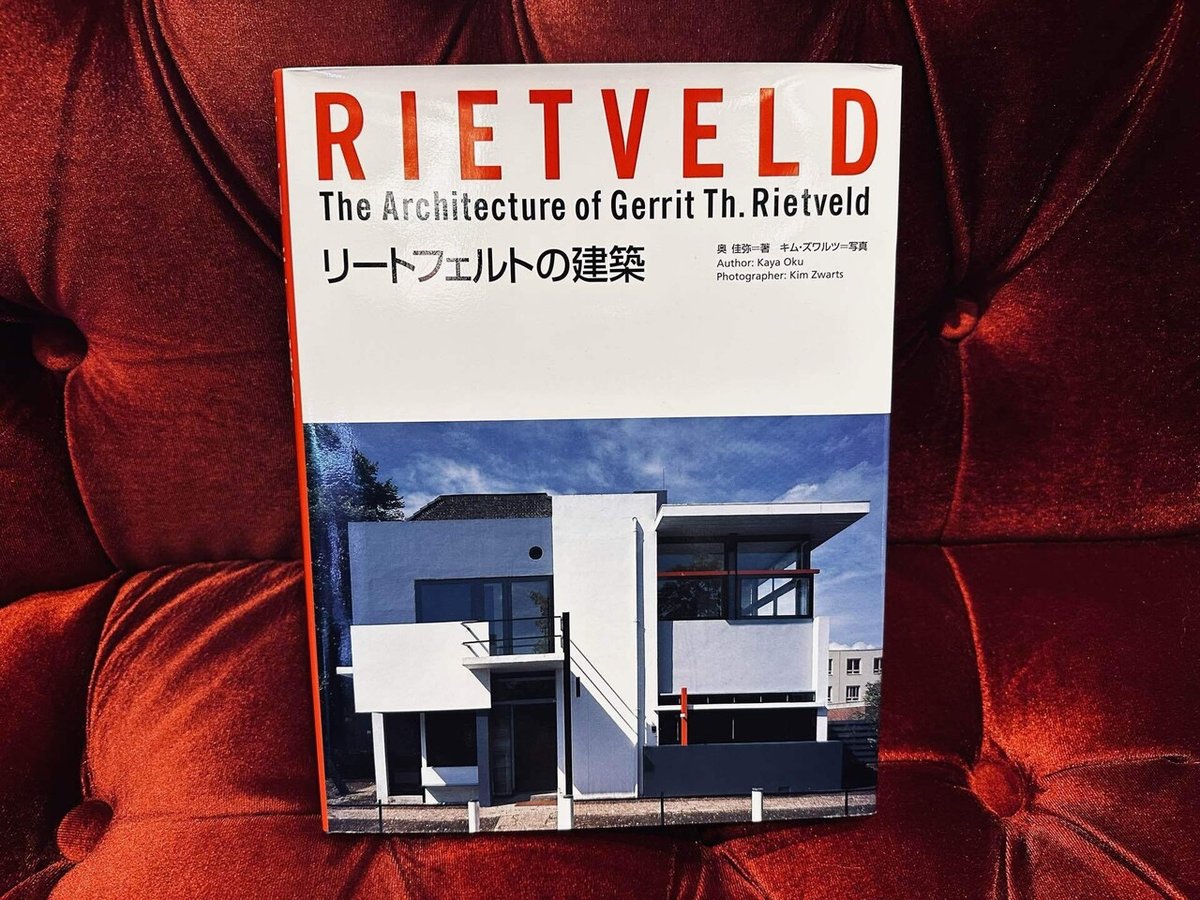
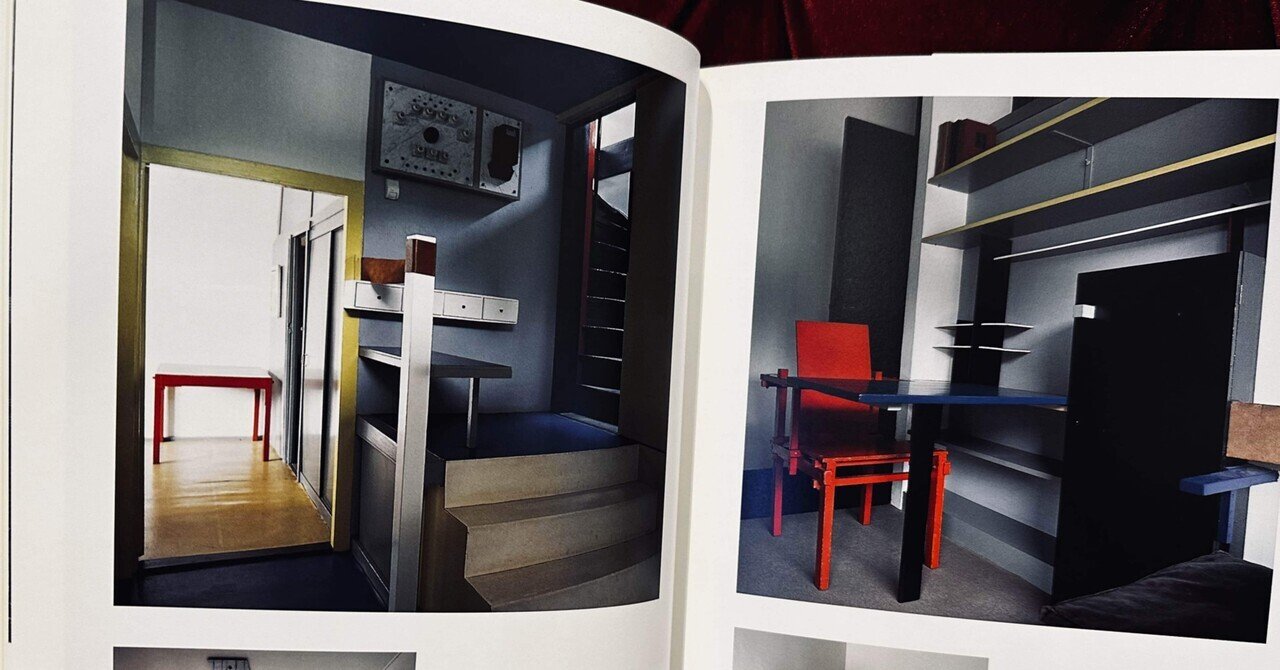
Rietveld was an architect who truly understood simplicity and the beauty of subtraction. To see what makes his work so remarkable, just look at his most famous piece of furniture, the Red and Blue Chair.

It's practically the chair made of planks. Constructed from the bare minimum of boards and color, it's aptly named the Red and Blue Chair. Even the name is simple. It's hard to see from this angle, but the ends of the wooden slats are painted yellow. Red, blue, yellow—combined with its minimalist beauty, doesn't it remind you of another artist? Exactly: Mondrian's Composition.
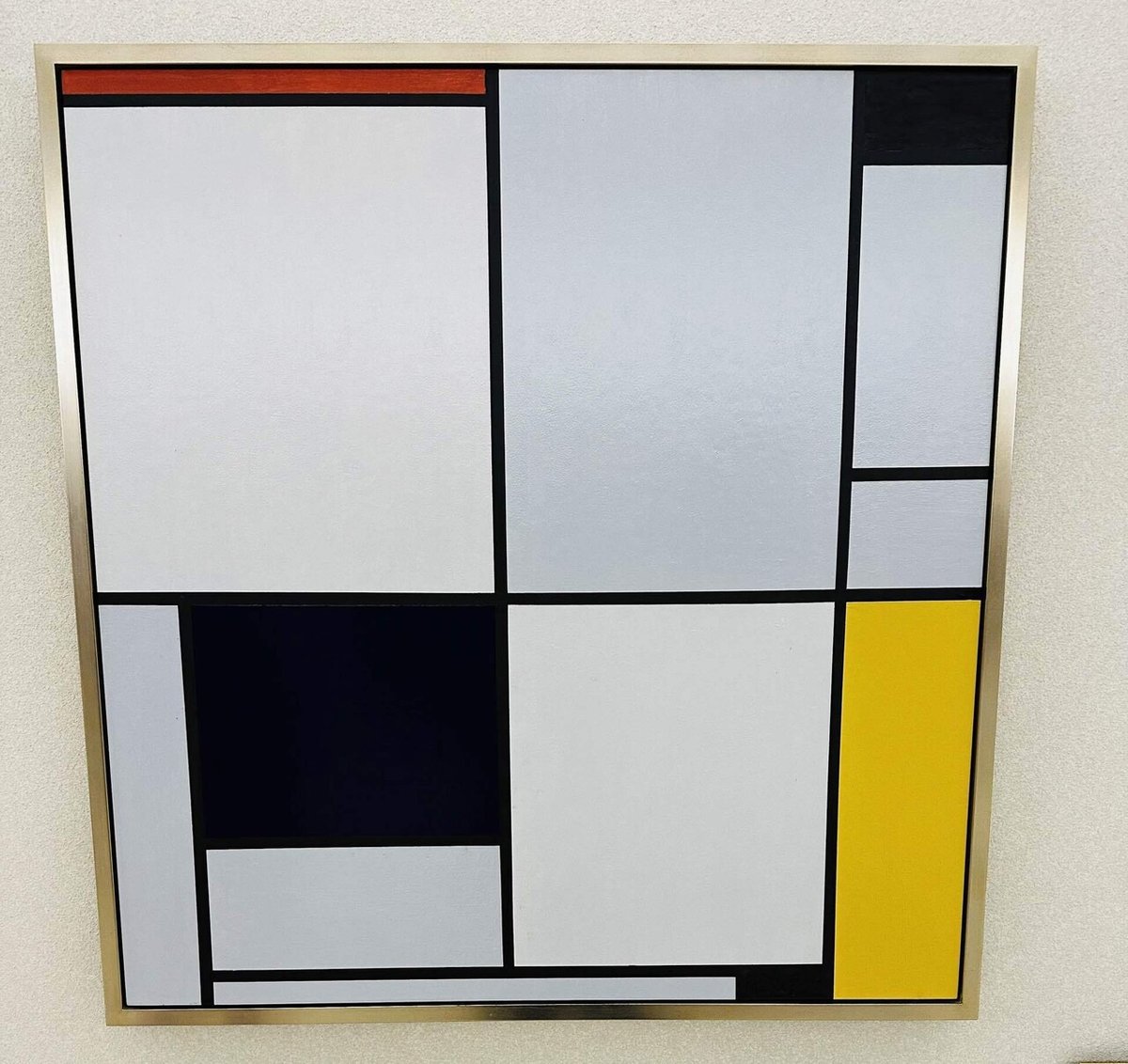
Truth be told, Rietveld embraced Mondrian's philosophy of Neo-Plasticism, translating the appeal of its abstract structures into furniture and architecture. I absolutely adore both of them.
The beauty of subtraction.
Few ideas are more difficult to achieve. To pursue pure simplicity, you first have to understand complexity better than anyone else. Rietveld's UNESCO World Heritage masterpiece, the Rietveld Schröder House, is perhaps the ultimate realization of this philosophy—an architectural work composed almost entirely of stripped-down lines and primary colors. It's magnificent.
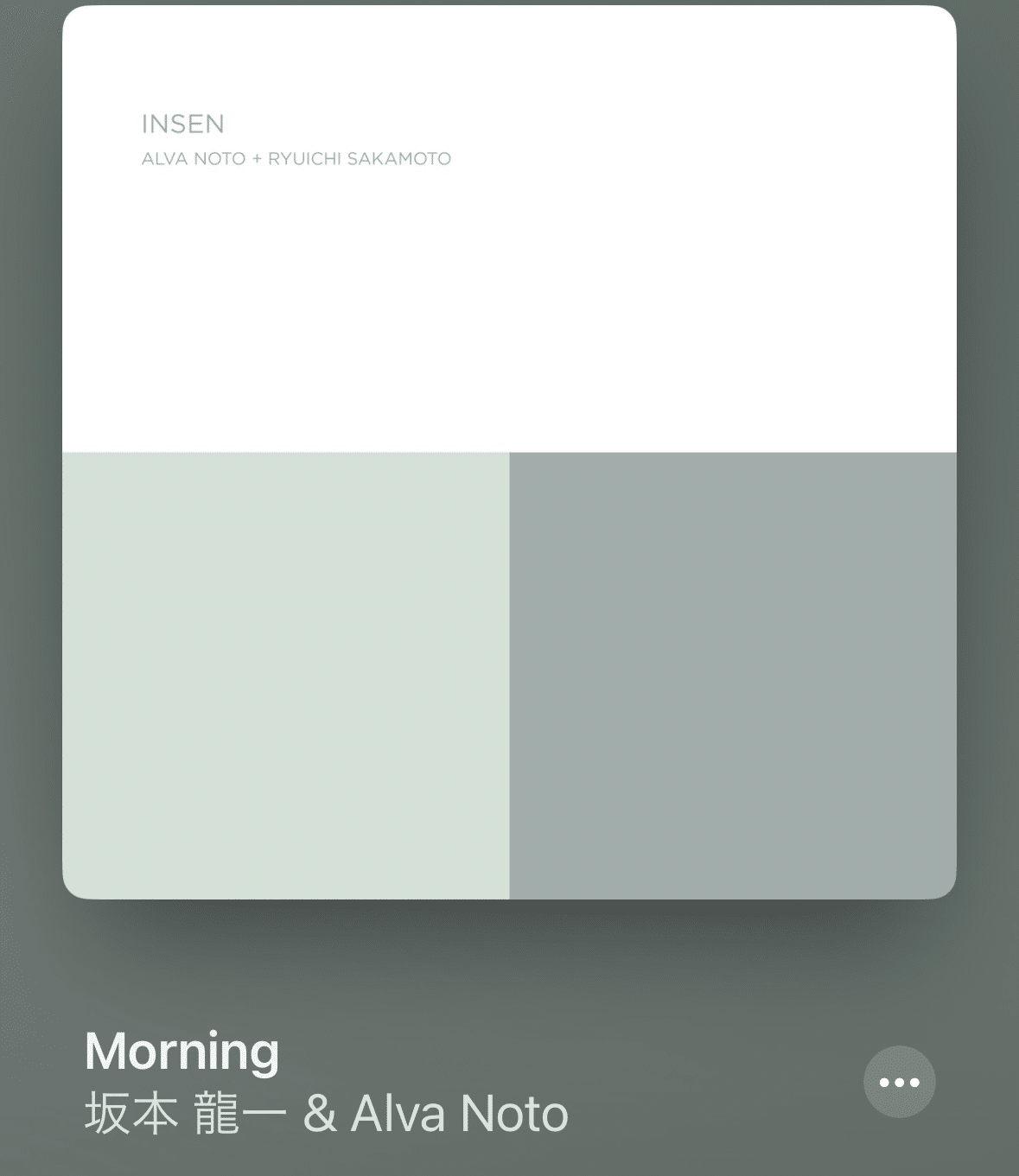
Come to think of it, I've been listening to Alva Noto a lot recently. He's the musician who collaborated with Ryuichi Sakamoto to create those beautifully restrained electronic works. The album covers they produced together are all wonderfully minimalist as well.
I love techno artists like Kraftwerk and Yellow Magic Orchestra. And in their stripped-back sound, I can almost hear the same philosophy that runs through Mondrian and Rietveld's work—though I actually discovered the music before I discovered the art. On these albums, Sakamoto's piano coexists with Alva Noto's electronic textures, yet the result remains astonishingly quiet. I'm continuing to chase the destination they reached—the place only they could arrive at through the art of subtraction.
Comments (0)
Leave a comment
No comments yet. Be the first to comment!