


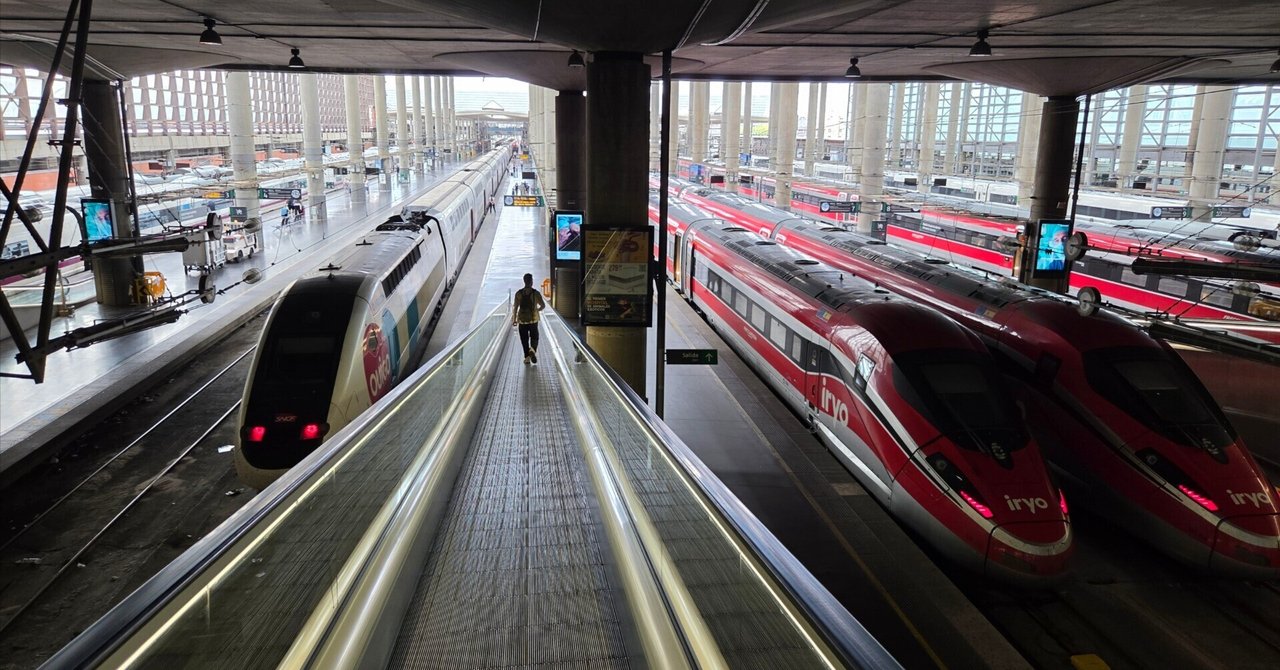
In terms of basic quality of life, it doesn't surpass Japan—neither in terms of public safety nor the environment. I feel like we live in the easiest country there is, and because of that, so many problems end up being reduced to close-knit, village-like human relationships. Which is better probably depends on the person.
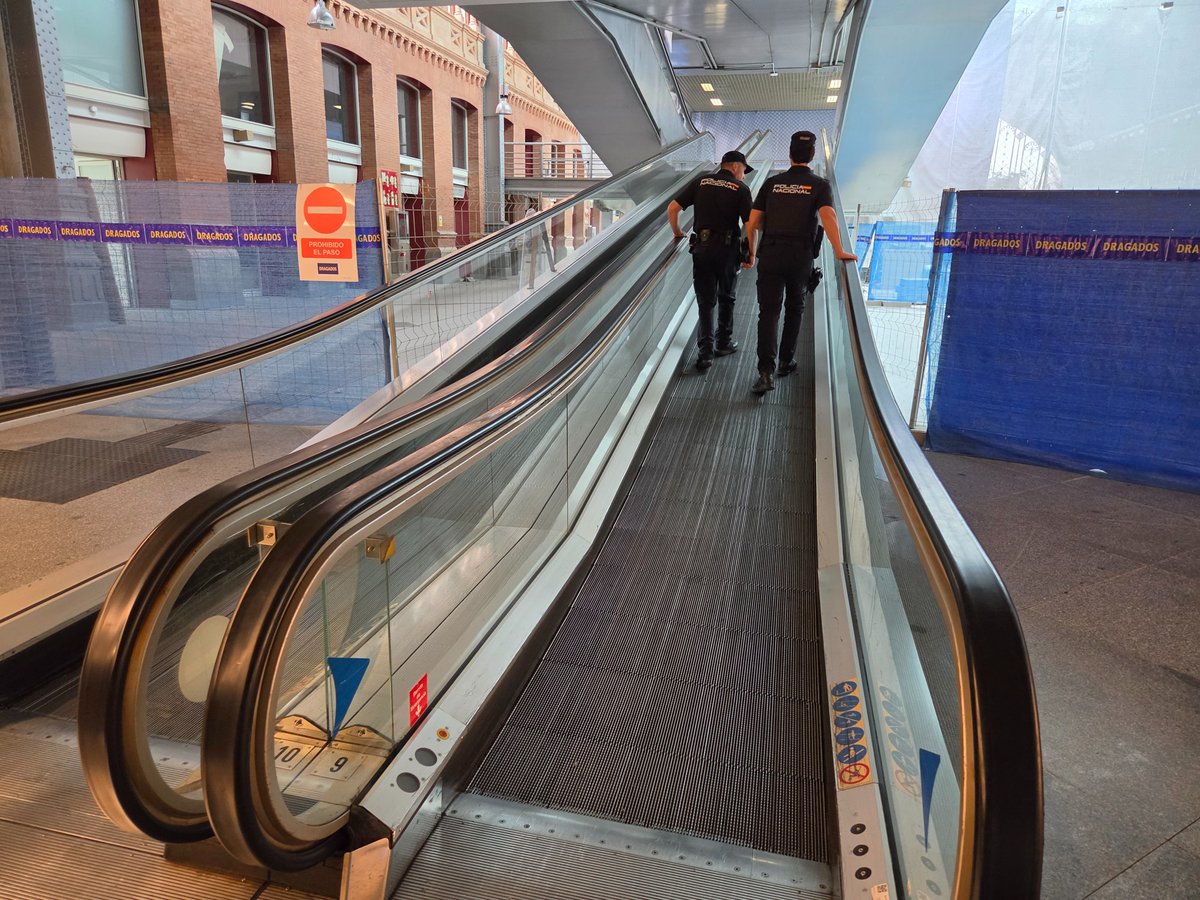
Escalators in Spain were stopped surprisingly often.
Not just at stations, but in shopping malls too. Elevators would also be broken, sometimes to the point where you couldn’t even press certain floors. This kind of thing happens so routinely that nobody seems to care. It’s so normal that it doesn’t even look like repairs are coming.
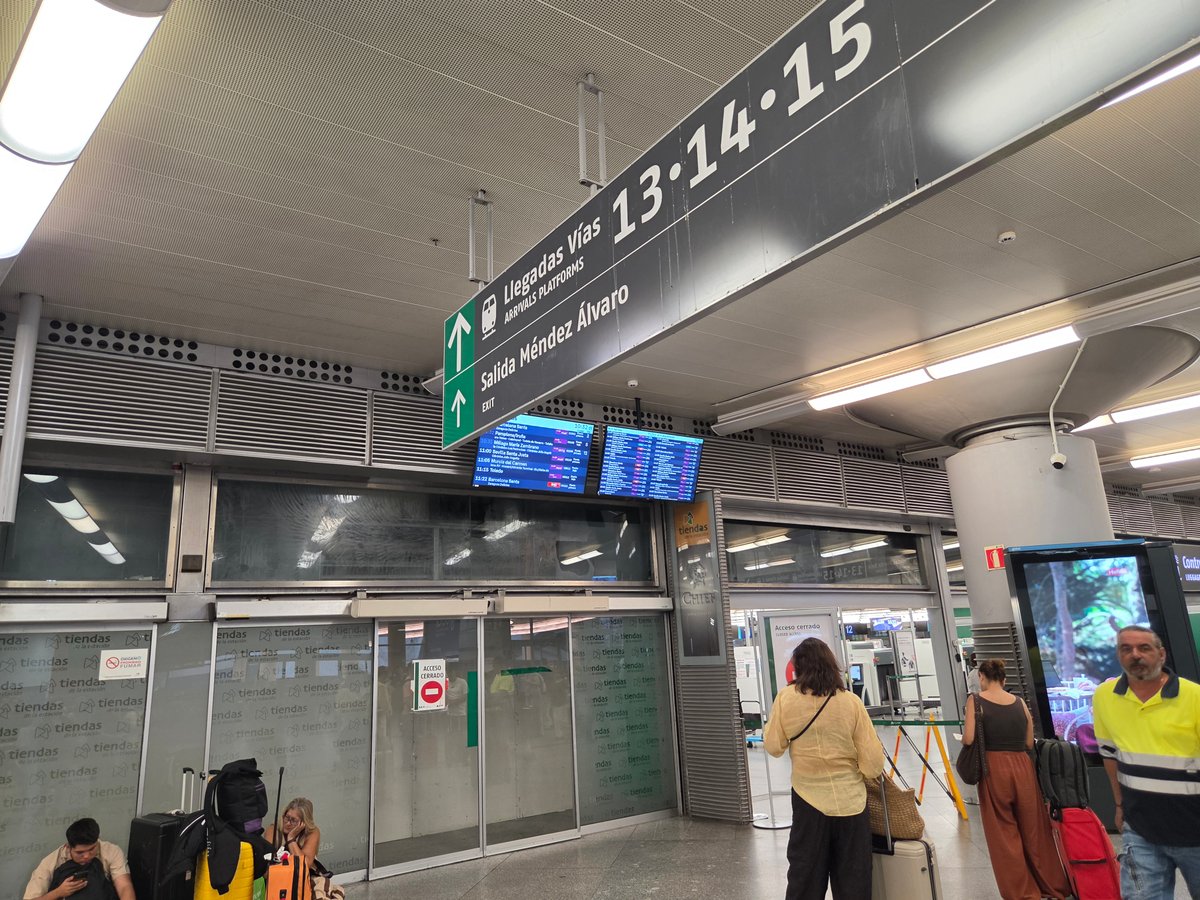
There are lots of these “small inconveniences”, and even with trains, the platform for your train is only confirmed right before departure. You check the electronic board a few times, and only once your train finally appears do you know which platform to head to. And even that’s pretty loose—sometimes it’s only decided one or two minutes beforehand, so everyone waiting for the same train suddenly dashes to the newly announced platform, and apparently sometimes it ends up arriving at a different one on top of that. It really shows how precise Japan is.
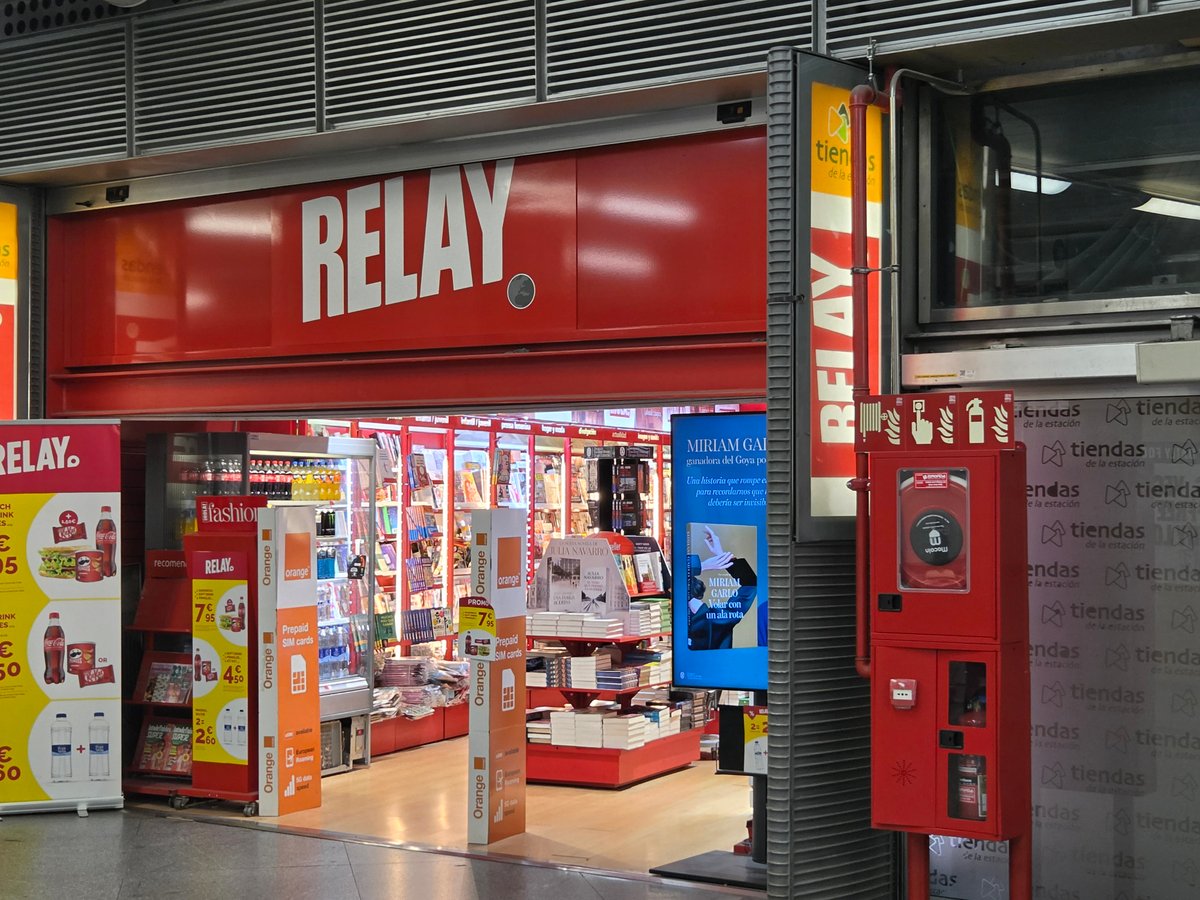
A station kiosk whose colors and layout just so happen to match Mandarake. For a moment it made me oddly happy, like I’d come back to Nakano Broadway.
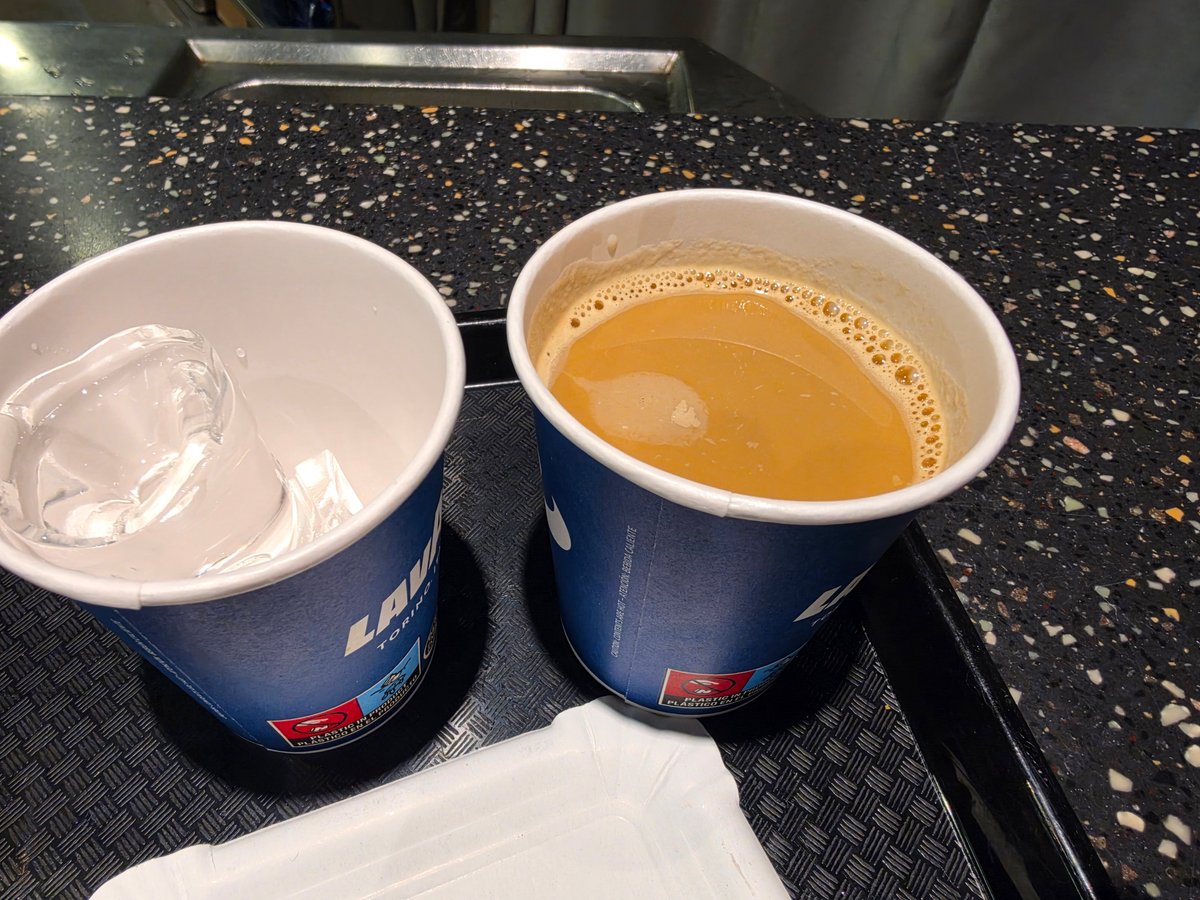
When I ordered an iced café latte, they handed me a hot cup and a separate cup full of ice, so I had to cool the hot drink myself.
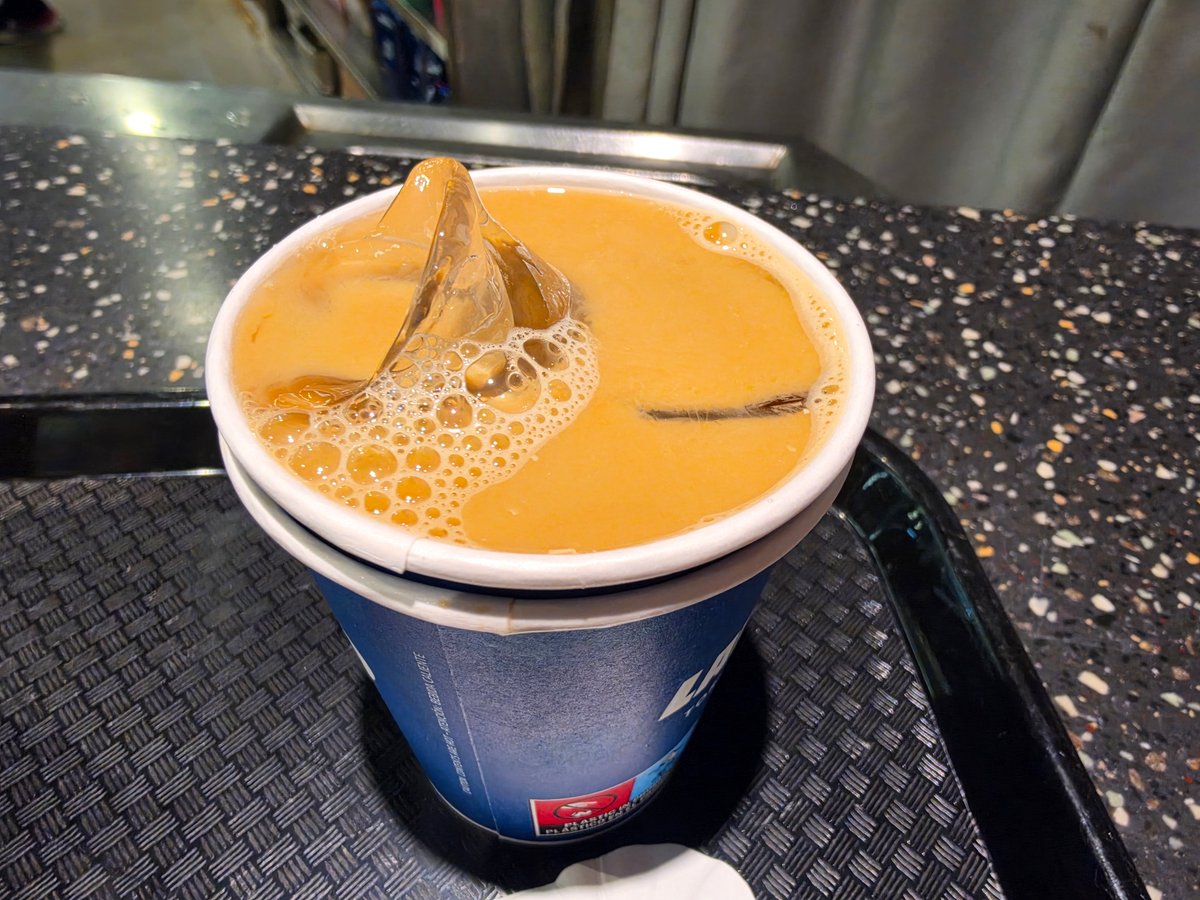
If you pour it in as-is, it looks like it’ll overflow because of the ice, so I’m relying on surface tension to do its best.
While I’m sipping it little by little, a homeless person going around speaking to each person comes over and asks me for change. Even right in front of the staff—or while someone is paying, which is probably the easiest time to get coins since they already have their wallet out. In Japan that would definitely draw a warning, but here it’s all personal responsibility. An old man can stand there asking for change right in front of you, and you can give him some or ignore him.
A middle-aged woman who only speaks English struggles to communicate with another woman who only speaks Spanish. In the end the order gets mixed up and a different item arrives, but the café worker wins out with a strong attitude of, “You can’t understand each other anyway, so this is fine, right?” and the American woman ends up accepting it too, like, “Well, maybe so,” and starts eating something different from what she expected. The whole place has this remarkably relaxed atmosphere.
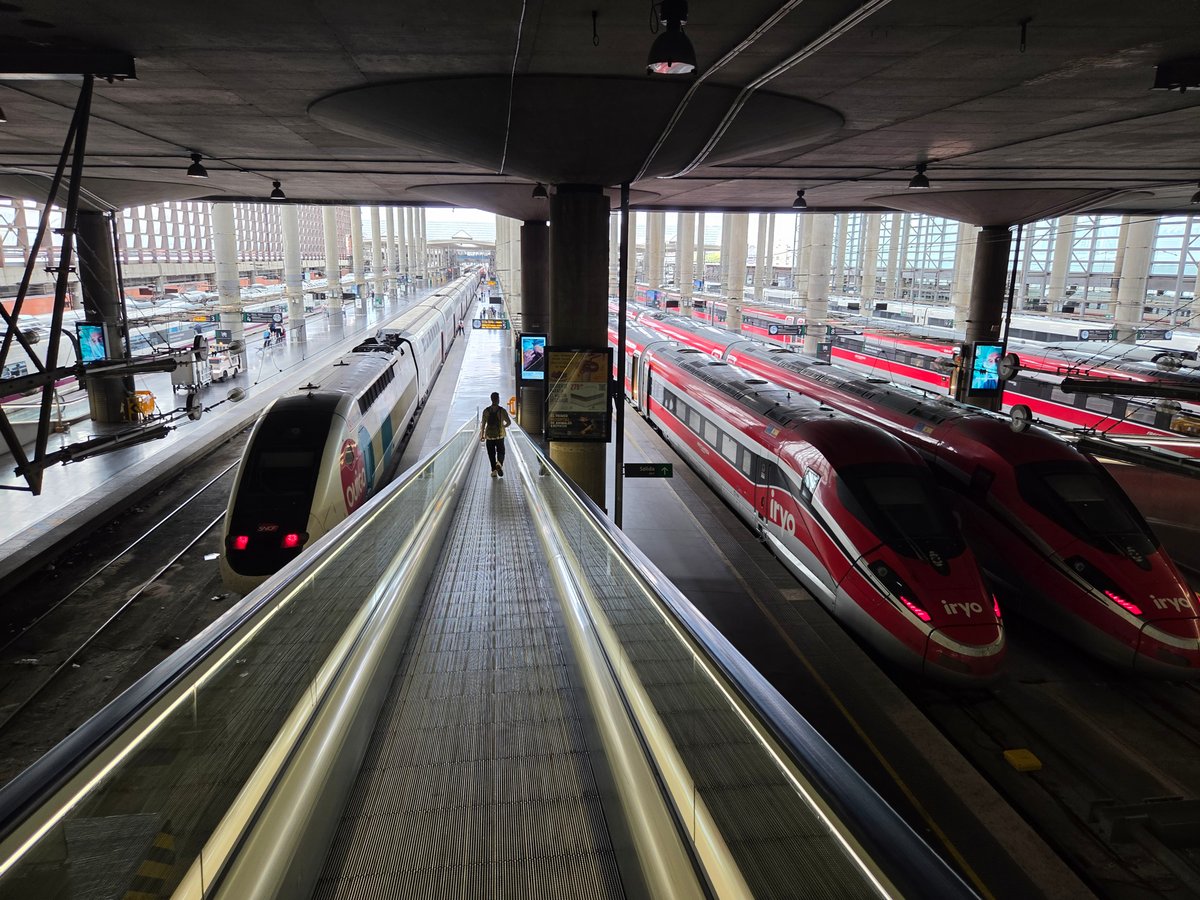
Everyone is kind and warm, but electronics and customer service are loose too.
The relaxed atmosphere of other countries versus the reassuring sense of security found in Japan, which is formal yet conscientious. Which is better depends on the person.
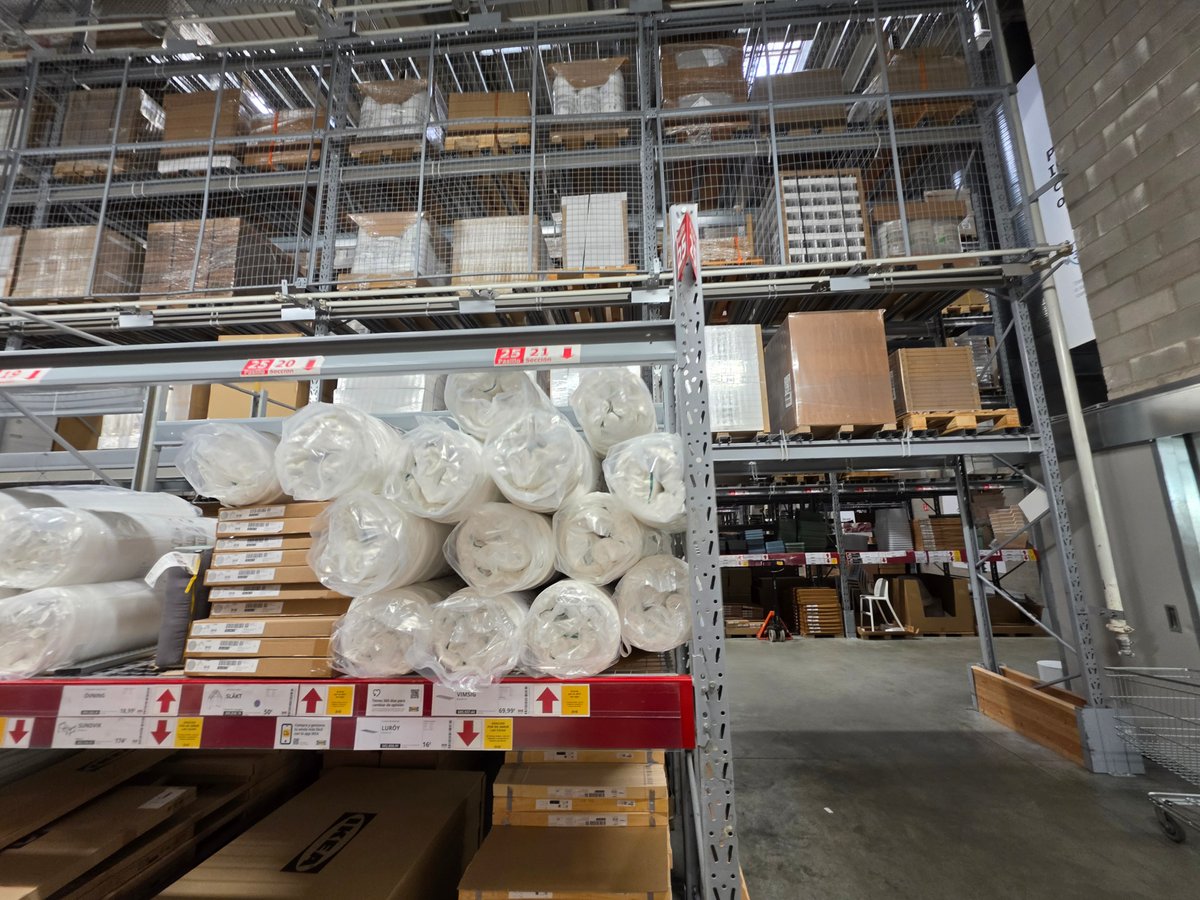
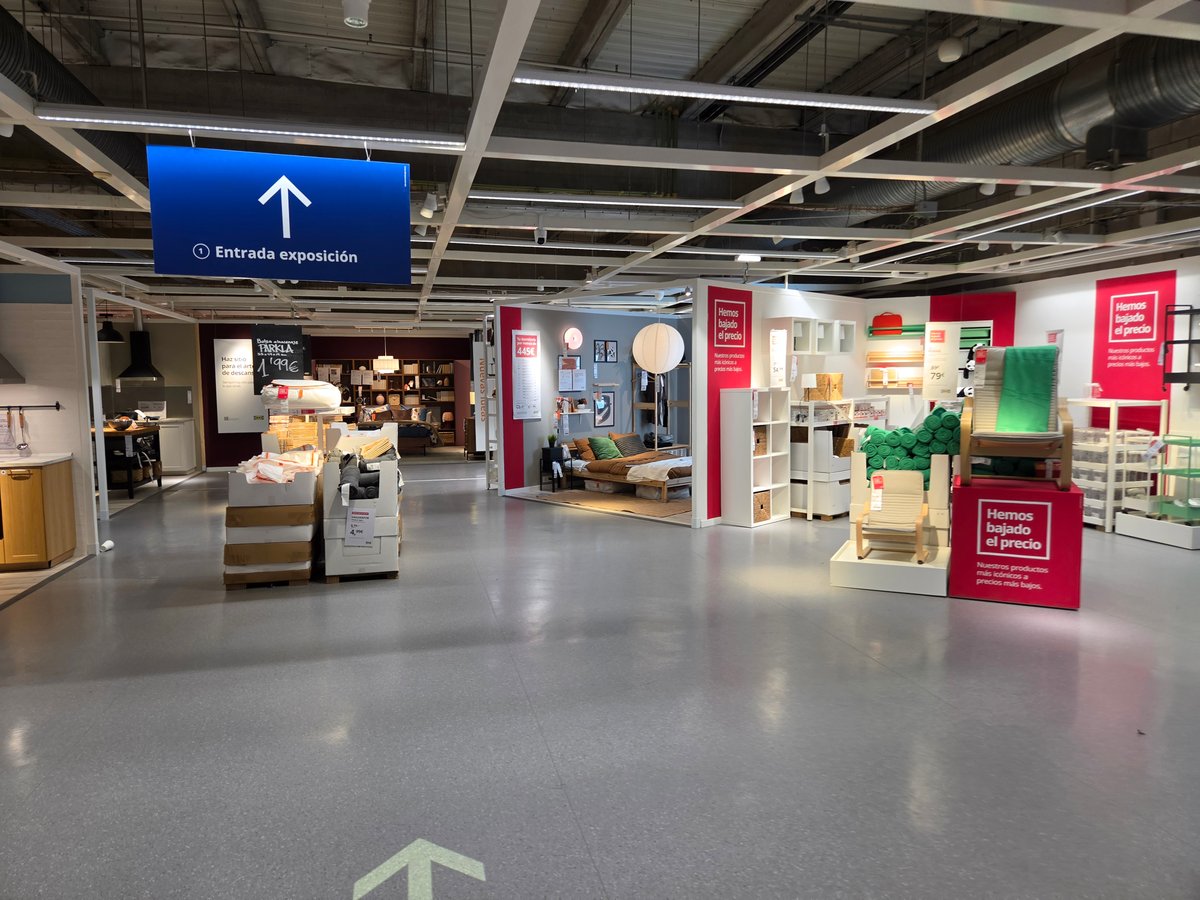
By the way, IKEA is the same everywhere in the world.
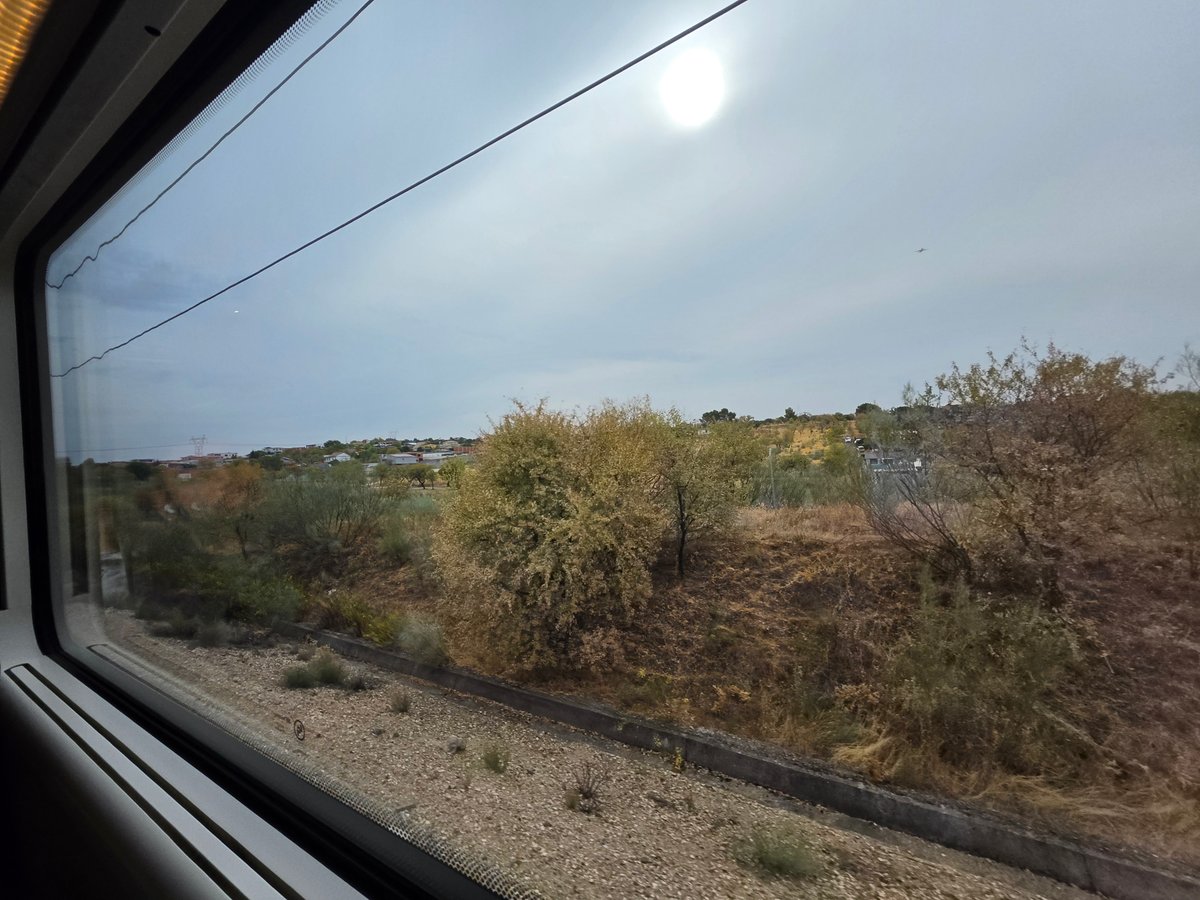
A three-hour train ride. Endless wasteland stretches on, with sunlight pouring in and making it hot.
When I go to sit in the seat listed on my ticket, someone immediately asks me if I can switch because they want to sit next to their friend. Actually, they’d already fully intended to do that from the start—they were sitting in my seat and their friend’s seat already. Since I’m alone and don’t really care where I sit, it’s fine.
Writing all this out, I realize that I like this sort of “random weird stuff that happens when you travel”, including the trouble. What feels especially different is probably the amount of conversation that happens with ordinary people just from walking around. I don’t dislike that. If someone talks to me in the city at night, I might, on a whim, even hand a homeless person some alcohol. I think I’m fine with things being like this.
Comments (0)
Leave a comment
No comments yet. Be the first to comment!