


※This article is a repost of an article originally published about 7 years ago.
Table of Contents

 minori software
 ・Ys II ETERNAL (2000)
 ・BITTERSWEET FOOLS (2001)
 ・Wind -a breath of heart- (2002)
 ・Haru no Ashioto (2004)
 ・ef - the first tale. (2006)
 ・ef - the latter tale. (2008)
 minori after Shinkai
minori software
A famous adult-game studio, minori, announced that they would cease software production. minori wasn’t just a game developer—they poured effort into large-scale events too, and kept energizing the whole scene. So naturally, the announcement sent ripples through the fanbase.
One of the reasons behind the shutdown was the delay of their latest title. minori always treated production seriously; they had postponed before for unavoidable reasons, but they were the kind of studio whose staff would even tweet worries about how “delays are becoming normalized in the industry,” because they valued trust with players. Still, after supporting the scene for 18 years, you could feel their stamina finally running thin.
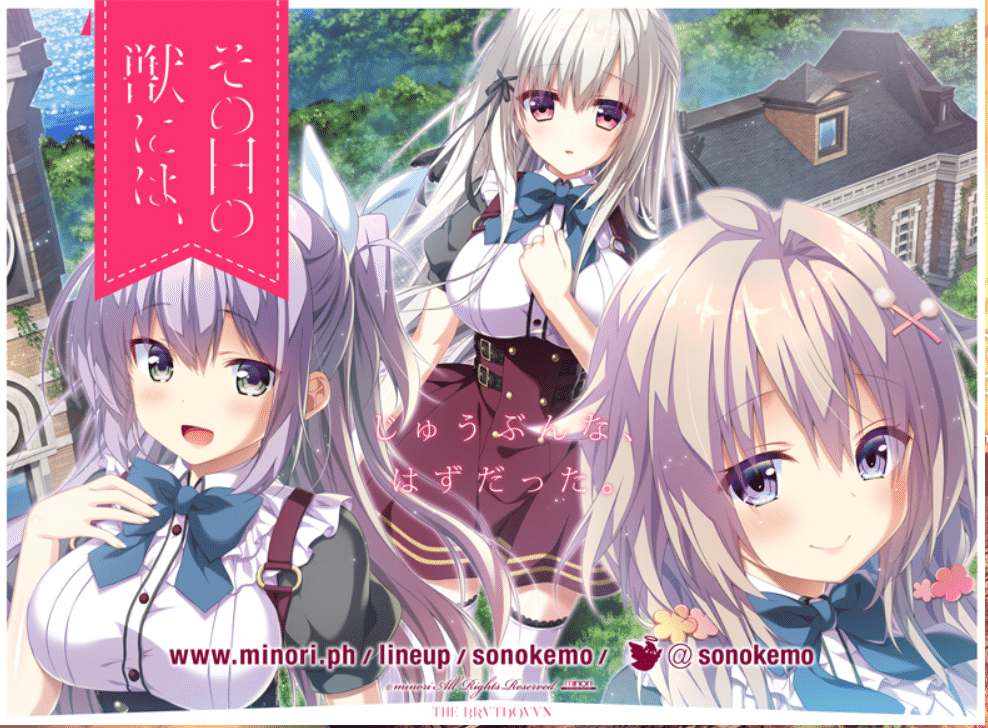
Their final work became “Sono Hi no Kemono ni wa,”—a pretty bold title, too.
I once wrote a trash-tier article for Game Labo called “This VisualNovel Title Is Too Wild: 2018,” and even though the visuals look like a totally standard bishoujo game, I was struck by how literary the title felt, so I ranked it #2. Which is, of course, not an honor in any universe. Getting featured in that kind of企画 brings no glory at all.
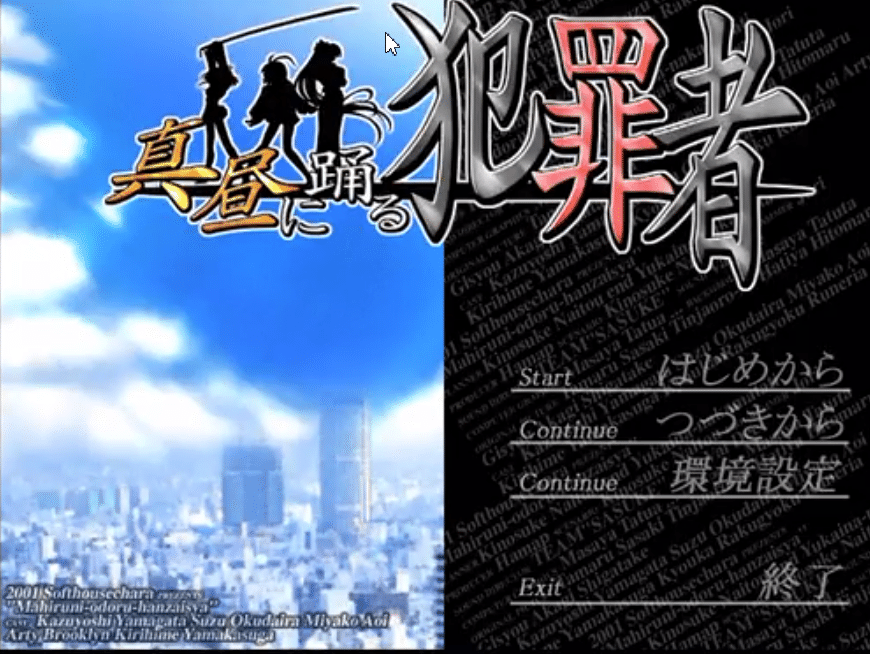
Still—say it out loud. The punctuation lingers in your mouth. It’s a good title. Some of my favorite VisualNovel titles are things like “A Criminal Who Dances at Noon” or “Fangs with Sharpened Senses,” and Sono Hi no Kemono ni wa, belongs in the same row without having to be humble about it.
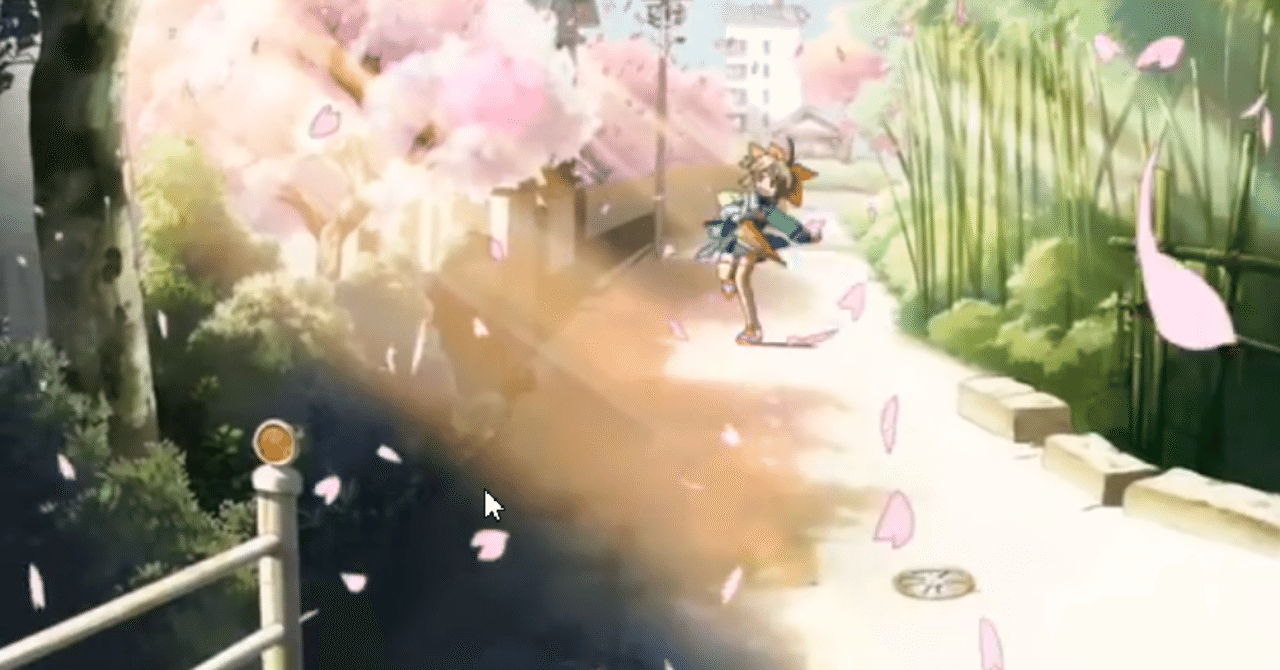
Now, when you say “minori,” what comes to mind is their opening movies—so gorgeous you’d swear they had bigger budgets than broadcast anime. And it makes sense: from the early days, Makoto Shinkai was involved. That became minori’s signature strength. There really was a time when “if the OP is good enough, it sells.”
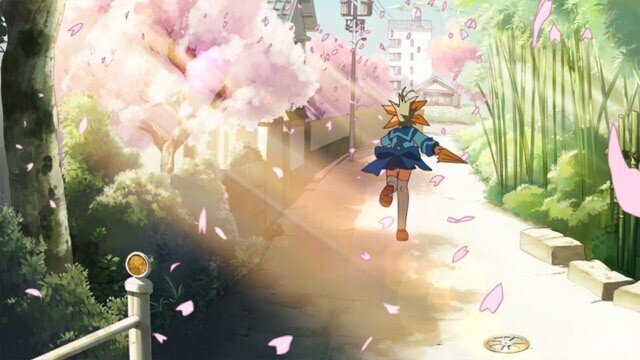
There are plenty of otaku who’ll insist, “When you say Shinkai, it’s not Your Name. or even 5 Centimeters per Second—it’s minori!”
And sure, some people might even say Shinkai equals Ys.
So today, I’m going to go through the enchanting, fantastical VisualNovel OPs that Shinkai worked on—one by one.
・Ys II ETERNAL(2000)
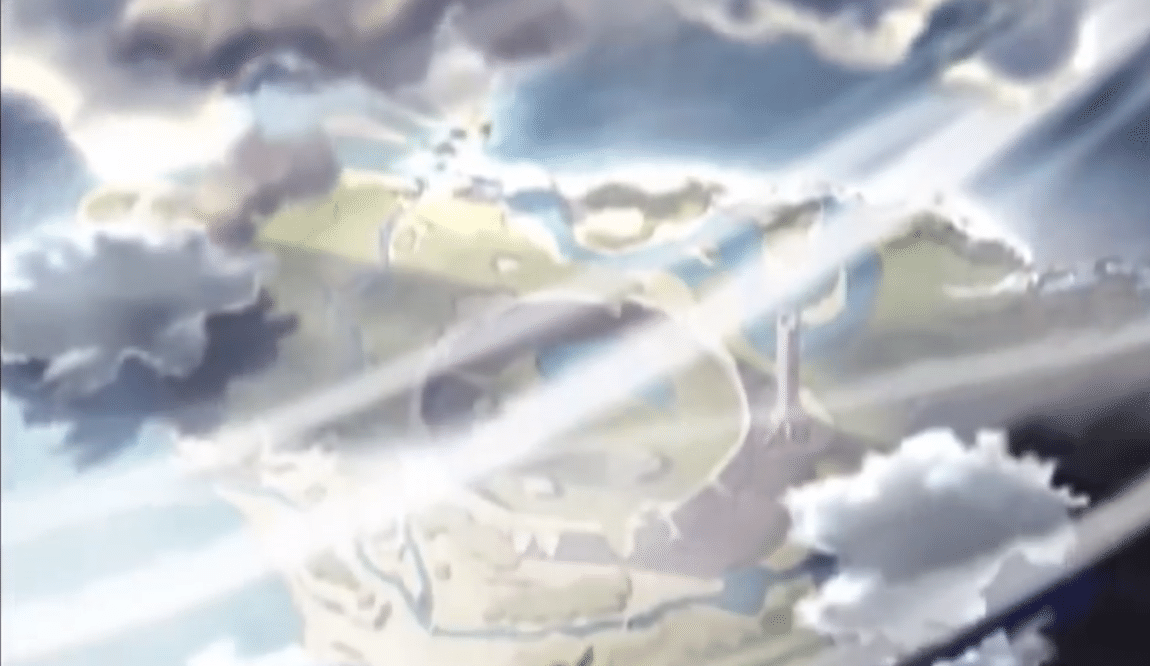
As I mentioned, the game OP Shinkai worked on during his Falcom era was Ys II ETERNAL. The iconic way light pours in, the bold motion of clouds—the backgrounds and after-effects already show exactly why “Shinkai is Shinkai,” even 20 years ago. And honestly, “TO MAKE THE END OF BATTLE” is a song that just does not fade.
・BITTERSWEET FOOLS (2001)
minori’s first title—and Shinkai’s first VisualNovel OP as director—was BITTERSWEET FOOLS.
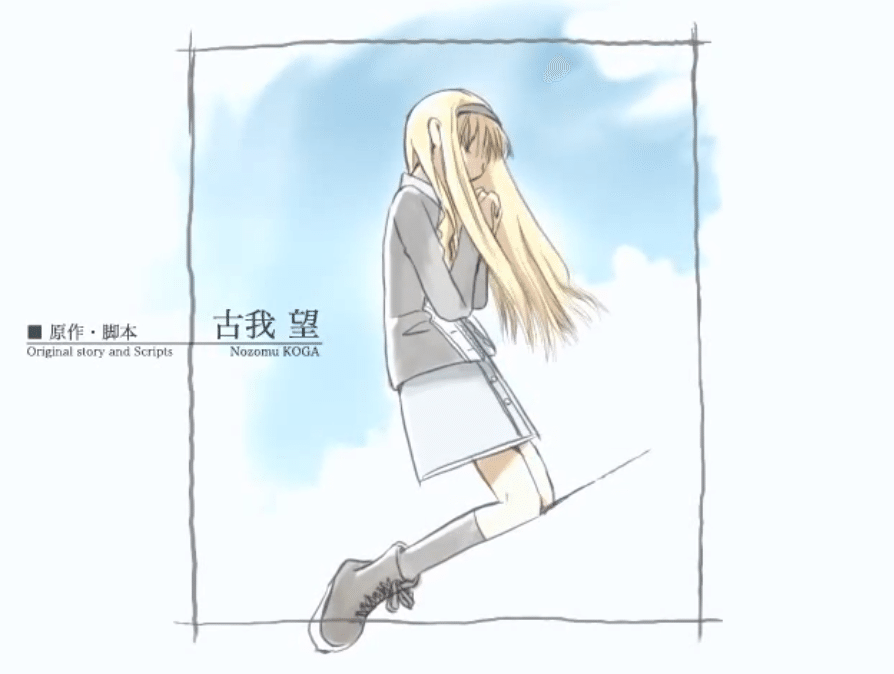
If you instantly thought “Italy + ennui bishoujo” from the backgrounds, you’re probably right: the original art is by Yu Aida of GUNSLINGER GIRL. The “Shinkai-ness” is still subdued here, but the OP fully brings out the strengths of the original art. That delicacy is outstanding even among the history of VisualNovel OPs. It’s a miracle that could only happen because it was Aida Yu × Shinkai Makoto.
And he finished it alone in one month. Terrifying.
…Though yes, in the end he really does go on to become one of Japan’s 대표 theatrical animation directors, so I guess it checks out.
Back then, there were still plenty of OPs that were basically “slide the game’s CG and sprites sideways.” So the sheer ambition here hit otaku like a shockwave. If anything, the person who may have been most influenced by this was Aida himself—since a year later he’d release GUNSLINGER GIRL into the world.
・Wind -a breath of heart- (2002年)
This one got talked about in some circles as a “yandere game before ‘yandere’ was even a common concept.” It had fandisks, an OVA, and even a TV anime—an early representative work that made minori’s name known.
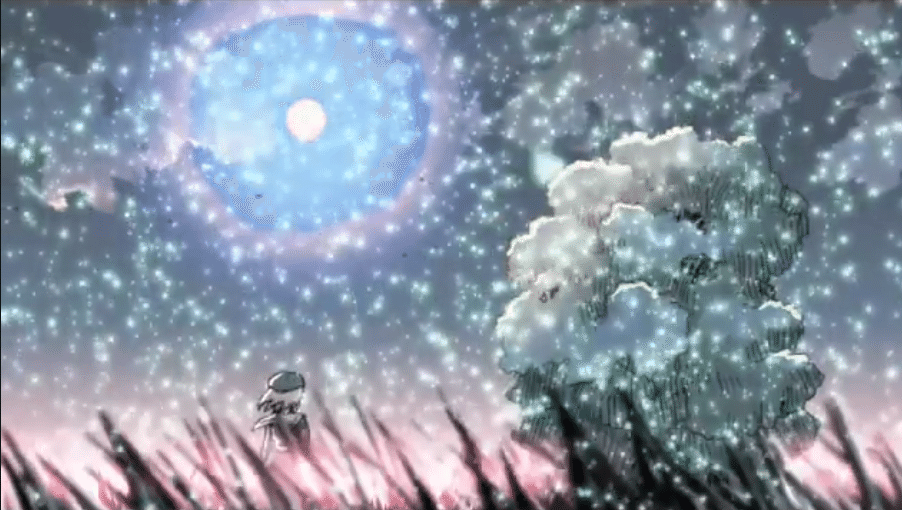
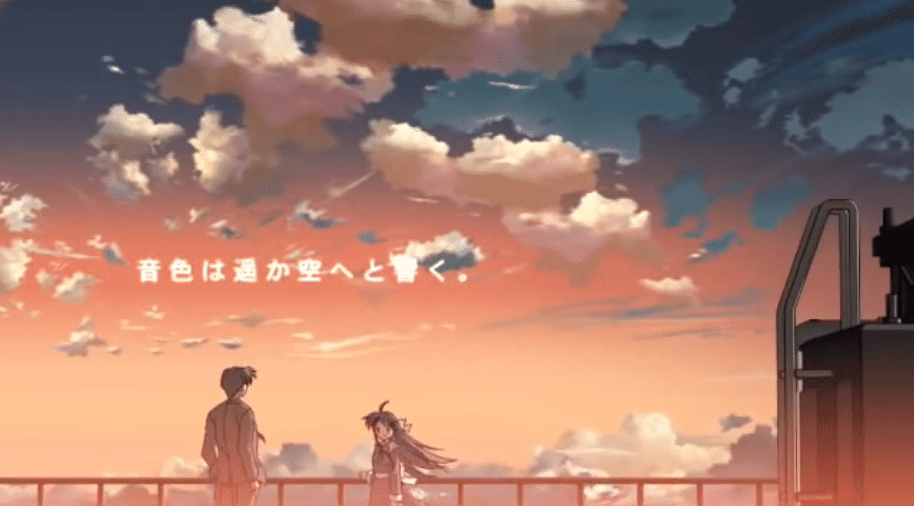
And at last, the long-awaited “rooftop at dusk, when evening starts bleeding into night.”
Since this came after Voices of a Distant Star, Shinkai’s style had crystallized. How many otaku have yearned for this exact kind of image?
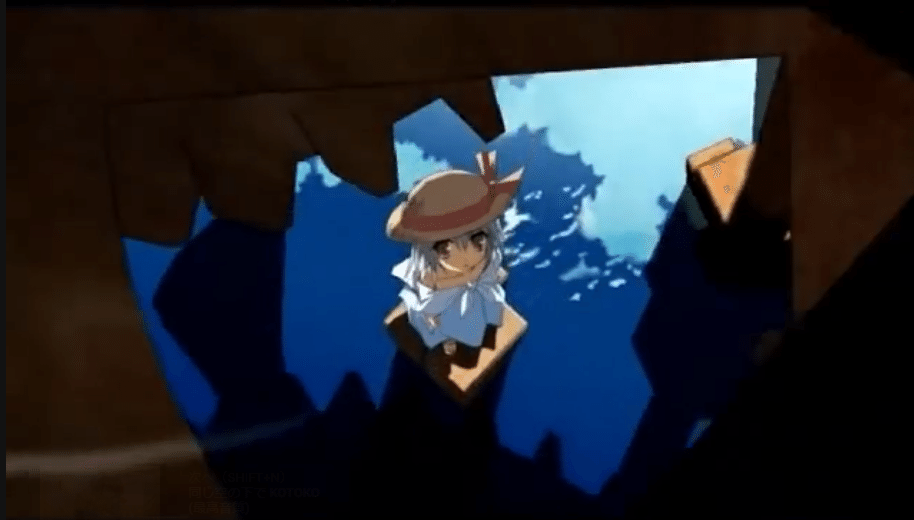
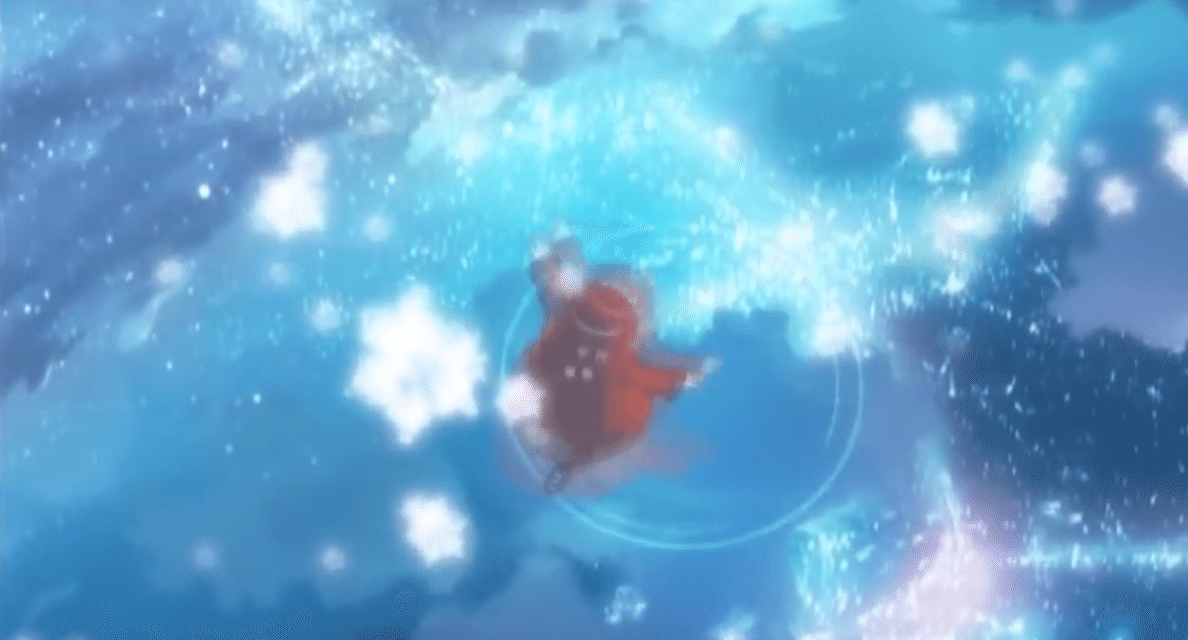
In OP2 and the fandisk “Soyokaze no Okurimono,” his vividness and talent are unleashed without restraint: gigantic gears floating in the sky, a girl crossing the air above the city as if it were an ocean—pushing the “bishoujo + emotional background” combination to its limits. You can already sense the early shape of the otaku-facing sensibility Shinkai would later fully awaken.
・Haru no Ashioto (2004)
A rare, bright Shinkai—energetic and expressing a world of seasons. A great OP where the educational-anime-ish song and the sprinting momentum of the chorus lock perfectly together. And the story itself is unusually well-crafted: it’s about growth, with lollipop-colored heroines, and honestly I can recommend it to almost anyone.
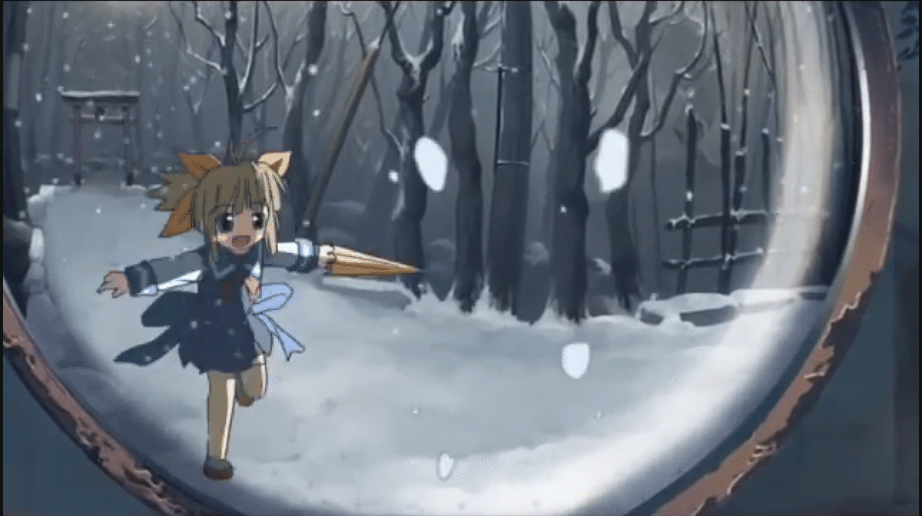
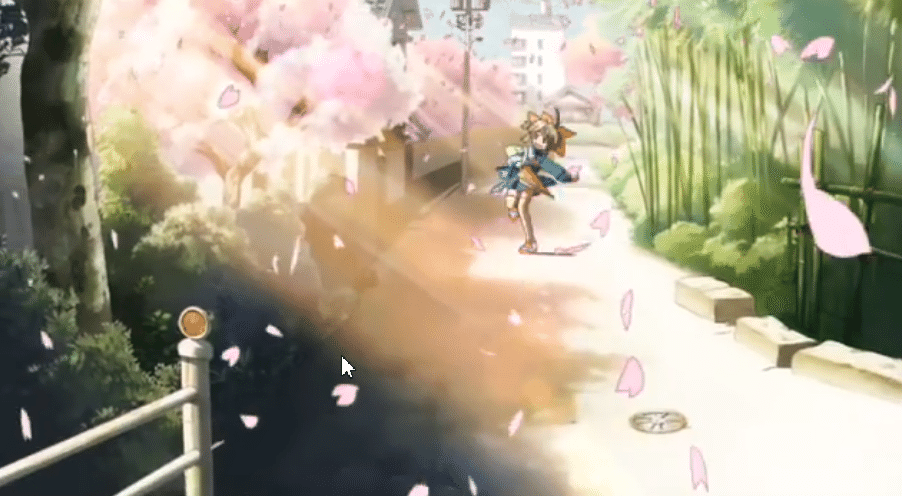
A snowy landscape reflected in a roadside convex mirror—then you turn the corner and spring sunlight floods in. That pure goodness, that “heart of light,” is so Shinkai. Plenty of otaku probably learned “Japan has four beautiful seasons the world can be proud of” from Haru no Ashioto.
Then the OP drops some slightly mismatched in-game CG and you go, “Ah. Right. This is a VisualNovel.”
・ef - the first tale. (2006)
This is the essence of Shinkai × minori. The fact that, over a decade ago, the #1 track on my music player was “Yuukyuu no Tsubasa (Yuko Amamiya ver.)” is practically public knowledge. This was also the period where Nao Nanao—often strongly associated with CIRCUS—showed a new possibility.
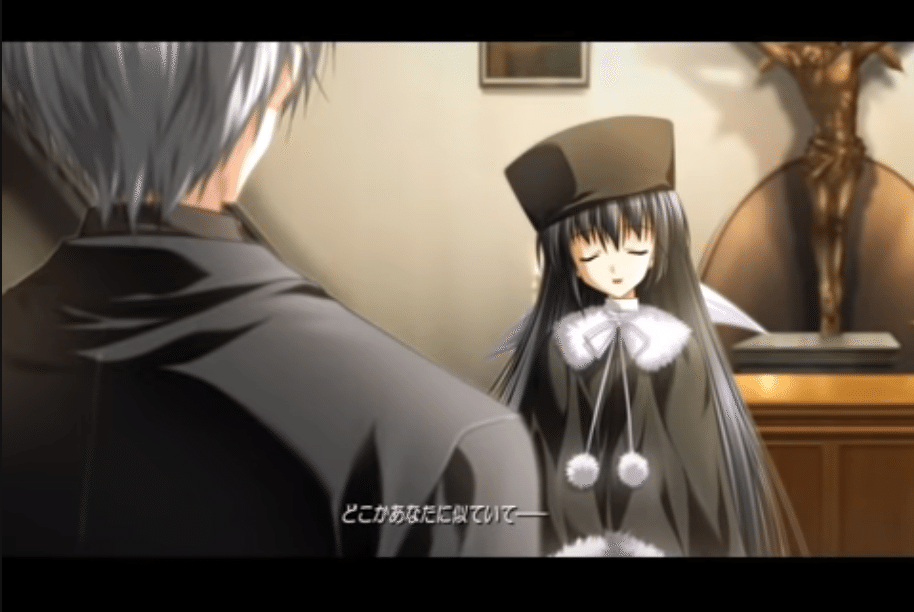
The opening—starting with poetic dialogue between a boy and a girl—is just perfectly VisualNovel.
After-effects blasting like a revelation, a rooftop at sunset, and paper airplanes…
This is the ultimate “bishoujo + emotional background” world that Shinkai and minori built.
And while making ef’s OP, he was also starting work on 5 Centimeters per Second—I can only respect the sheer two-shoes-at-once madness.
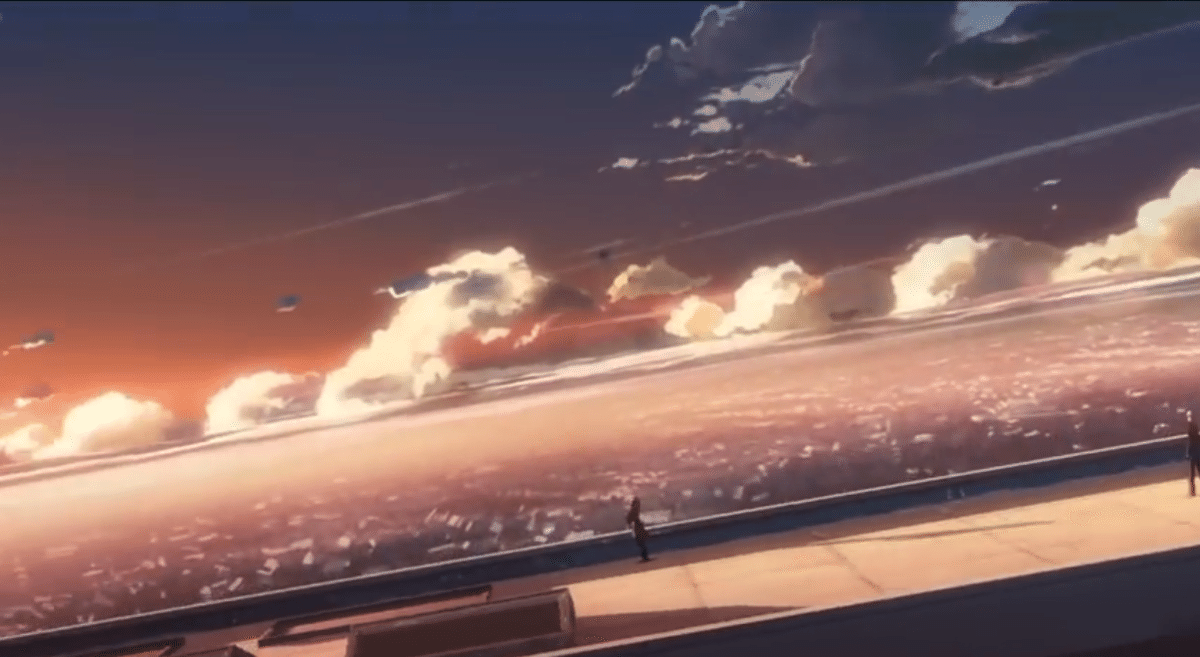
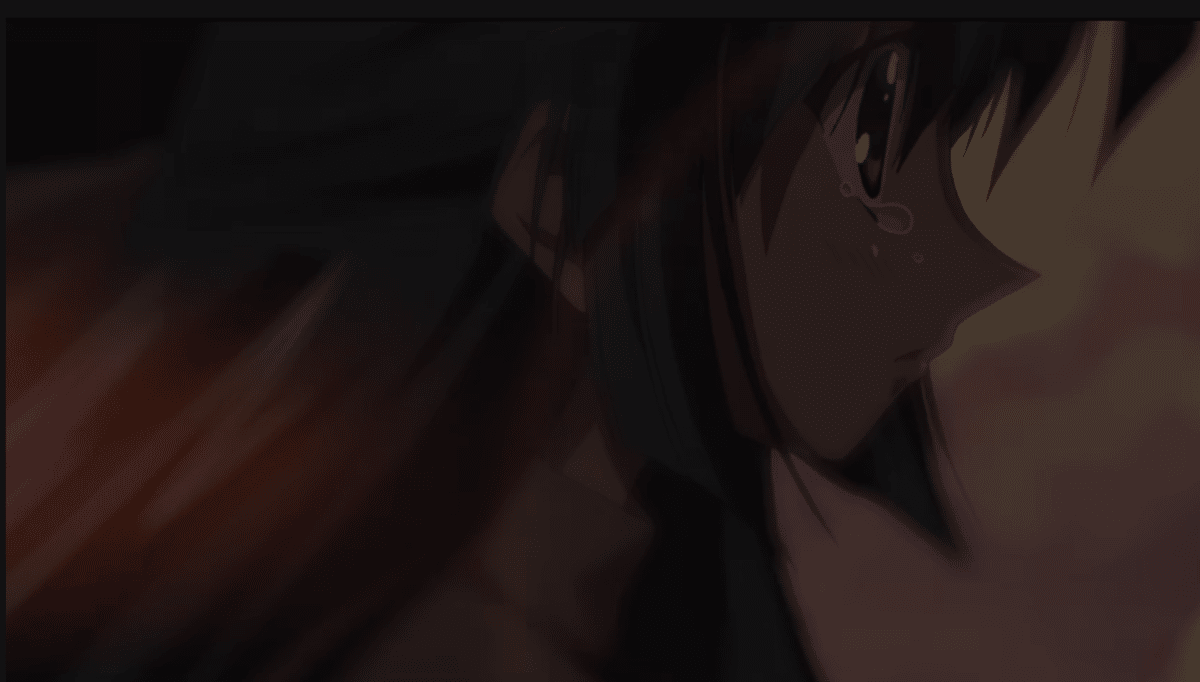
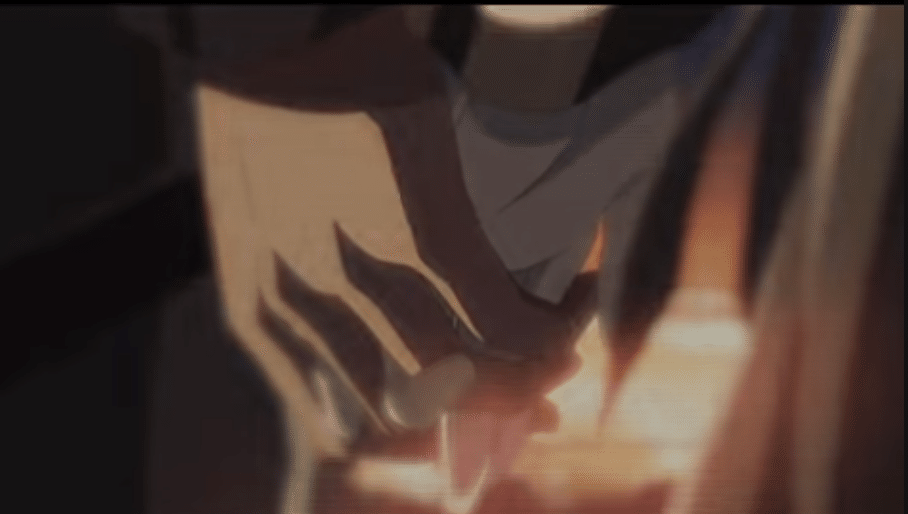
As the chorus swells: the camera rotates around a girl standing on the sunset rooftop, the fleeting flash of tears as hands part, and then paper airplanes rising into the sky and scattering into clouds…
Is there any footage on earth that feels more like it exists purely to make otaku happy???
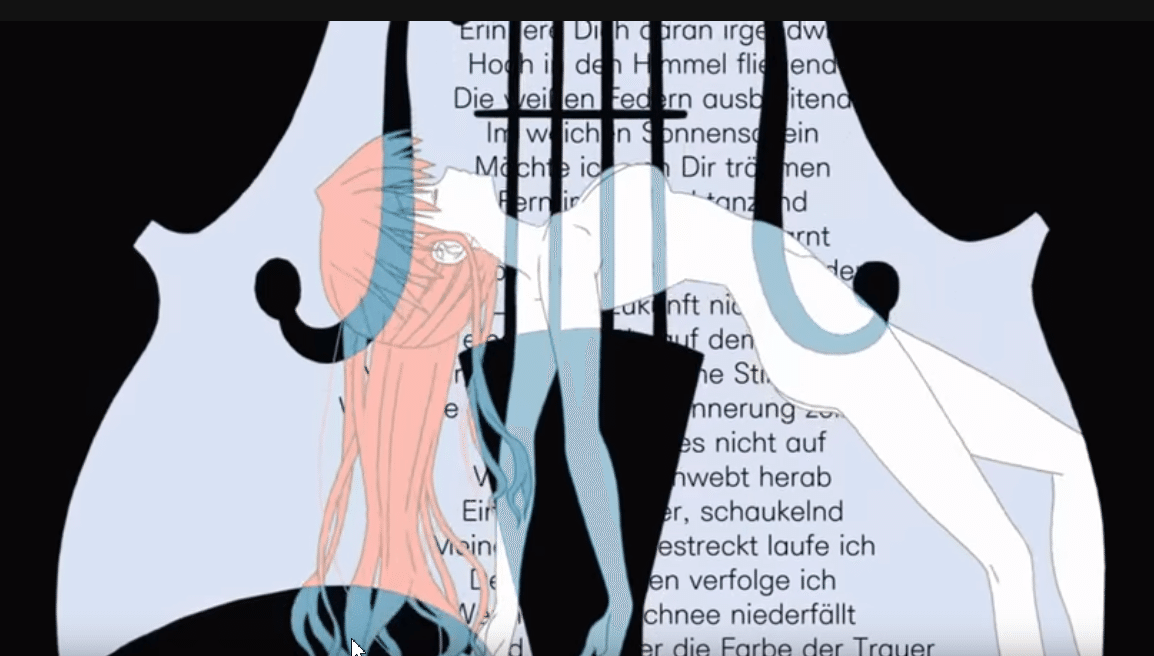
And the Shaft-produced anime version’s OP is also worth noting: the way it changes and evolves every few episodes creates a different kind of emotional punch than the original.
・ef - the latter tale. (2008)
Shinkai’s role here is “storyboard and finishing” only, but—
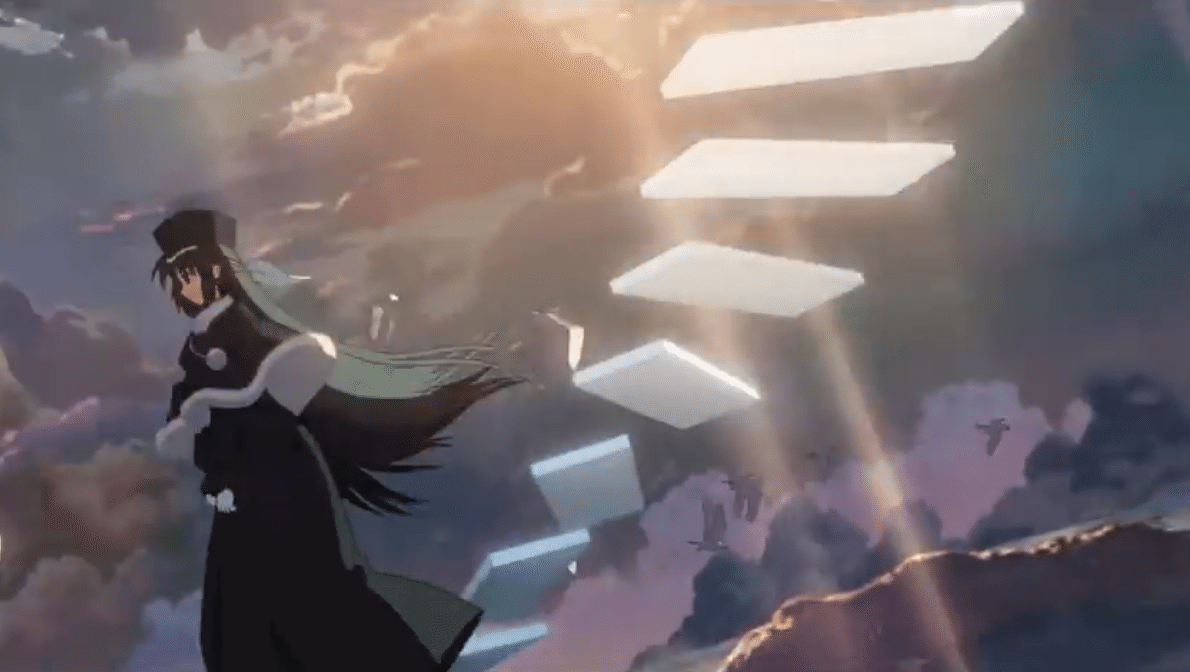
A girl quietly descending a spiral staircase stretching down from the heavens—this kind of layout is absolutely Shinkai-grade otaku sense, no question.
Sadly, this is where Shinkai steps away from VisualNovel studios.
minori after Shinkai
But the OP team trained through ef - the latter tale. didn’t stop. Even after that, they kept combining “Shinkai-ish” backgrounds and staging with unmistakably bishoujo-game heroines, evolving in their own direction.
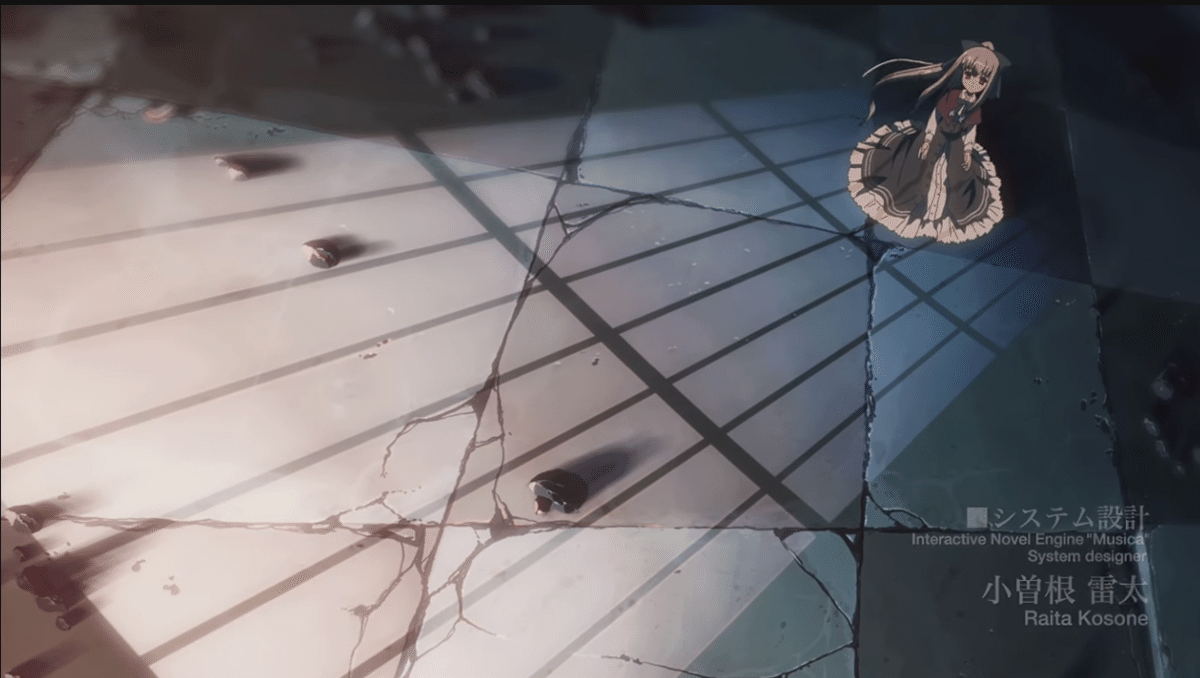
Honestly, you could even argue that the true minori begins after eden*—where they inherit and echo the Shinkai flavor, but mix it into something that becomes “minori’s own kind of bishoujo-game-ness,” distinct from Shinkai.
The OP for Supipara, once called the top of the VisualNovel OP world, is a masterpiece: lavish, animator-killing movement everywhere. Not just for VisualNovel—top-tier even compared to anime released the same year.
And because of that, the bill came due. Spending absurd money to maintain OP quality, then releasing an ambitious split-format work with no H-scenes—Supipara bled red. I can’t help but think that failure clearly dragged on into the decision to shut down. In the end, the sequel never came.
Maybe as a reaction, after Supipara, minori started putting even more effort into erotic content to keep the lights on. Especially… boobs.
So, minori’s 18-year challenge came to a close. A great studio that invested in OPs more than anyone, hosted events, and contributed to the industry itself—yeah, it really makes your eyes sting.
And lining it all up like this makes me realize: what I love most is Shinkai’s gorgeous backgrounds with a heroine who looks unmistakably “like a bishoujo game heroine” standing there.
That slight feeling of her being just a tiny bit “pasted on top” is exactly what’s good, you know…?
Comments (0)
Leave a comment
No comments yet. Be the first to comment!