


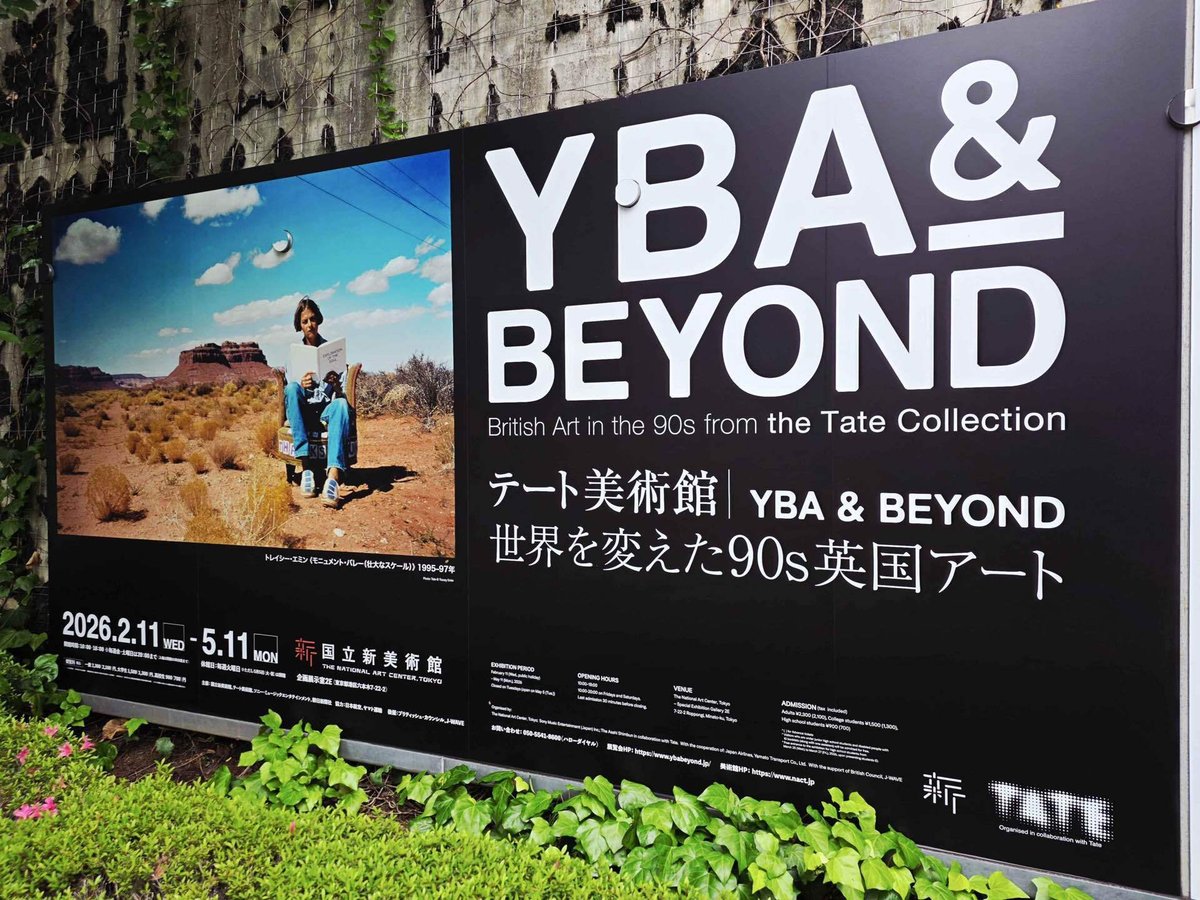
I went to the National Art Center to see an exhibition on 90s British art. Pure Britishness.
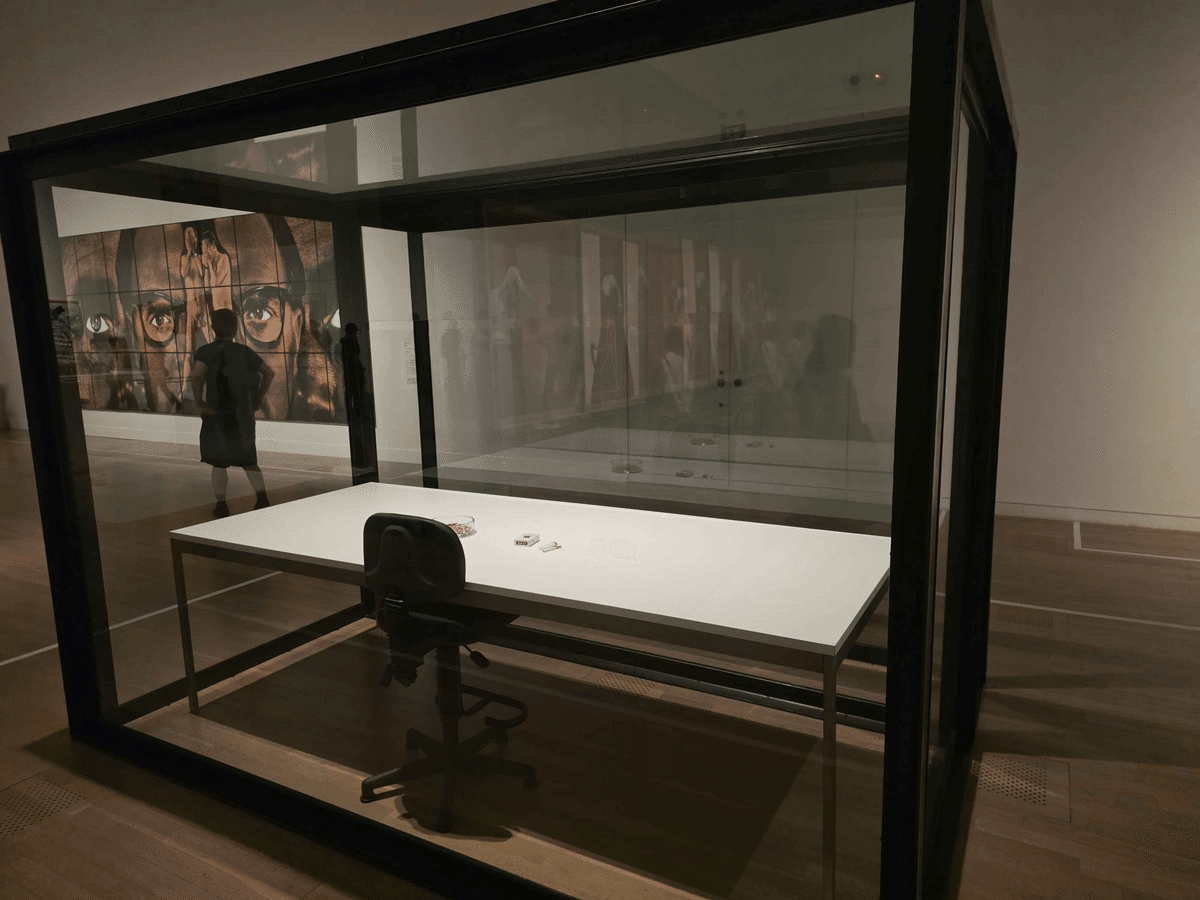
The first thing that hits you is a transparent room filled with cigarettes.
The Acquired Inability to Escape, Divided
In 90s Britain, people chased freedom through punk, rock, and total chaos. But the overwhelming sense of liberation they gained was, in truth, hollow.
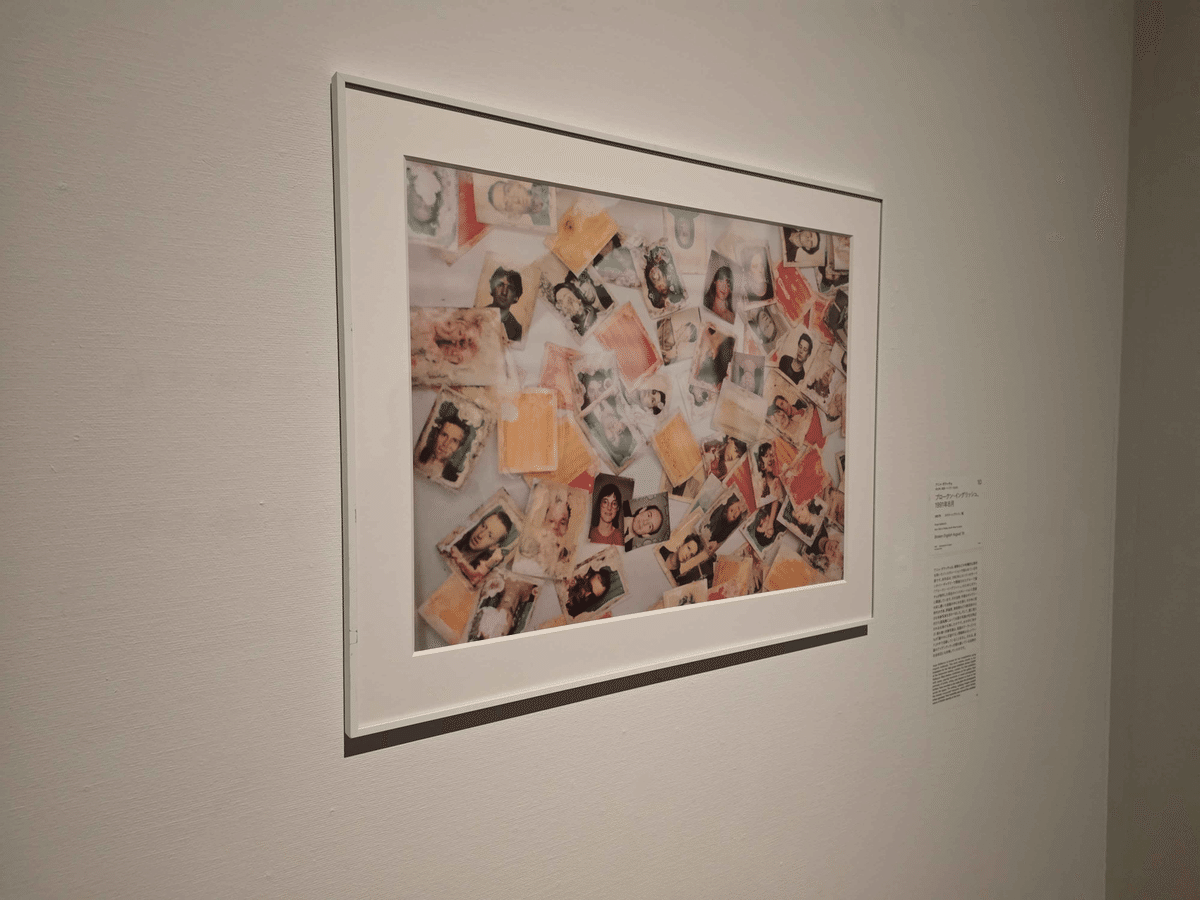
That coexistence of freedom and emptiness created a uniquely suffocating atmosphere. Out of it came countless attempts to break form and convention, and now, decades later, people look back on that “sense of the era” with affection through exhibitions like this.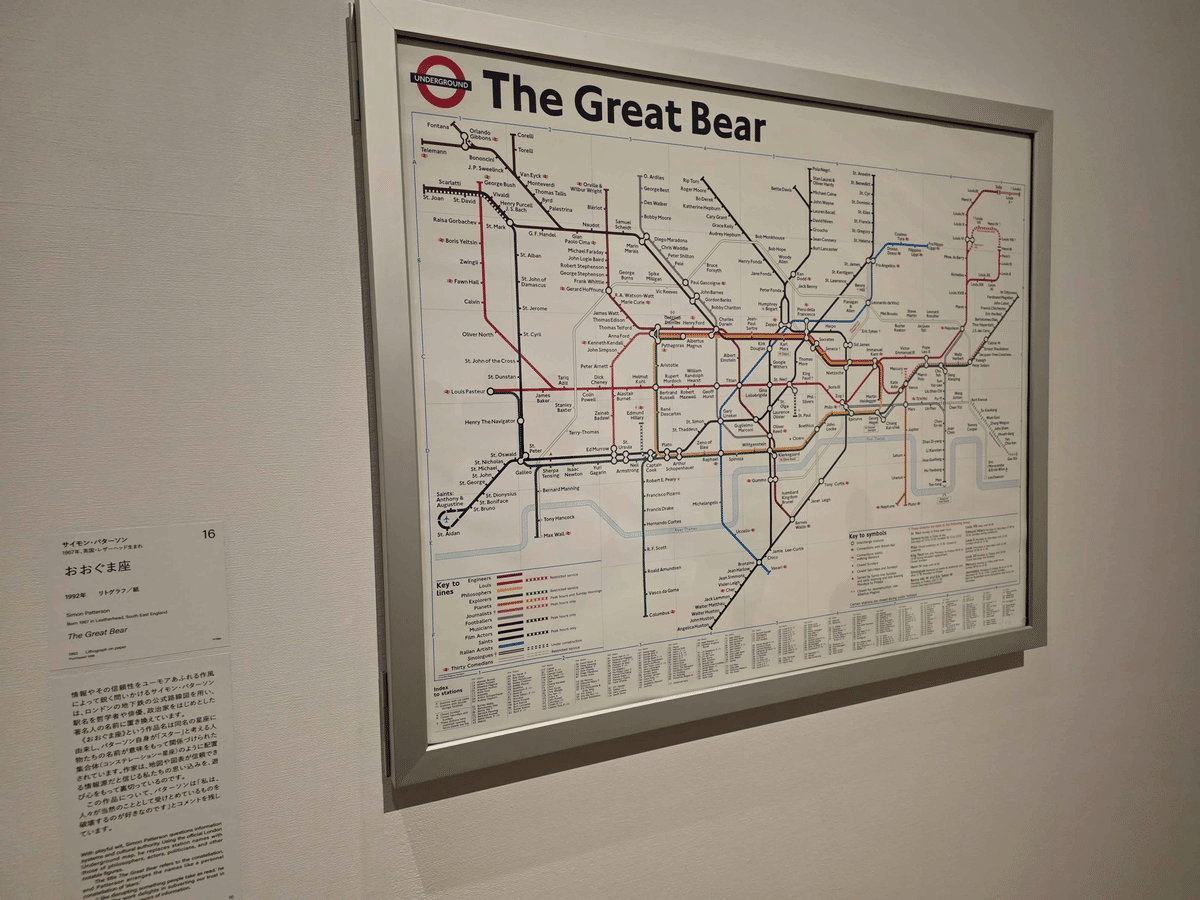
There was even a fake subway map where all the station names had been replaced with celebrities.
That kind of humor and sarcasm — expressing an overloaded world through absurdity — felt distinctly British.
The reason I was so excited for this outsider-art-leaning exhibition was simple: I wanted to understand the atmosphere of Trainspotting with my own eyes.
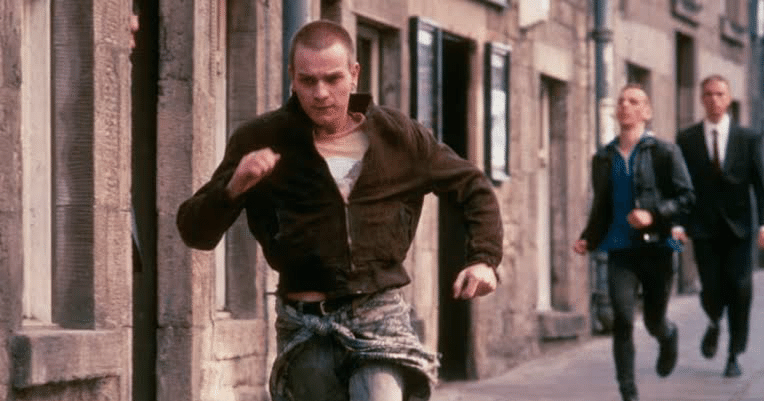
90s Edinburgh.
A suffocating feeling where it seems like you can do anything, yet somehow nothing at all.
The youth of that era kept running — into drugs, violence, self-destruction.
“Choose life,” they were told, even though reality offered barely any choices to begin with.
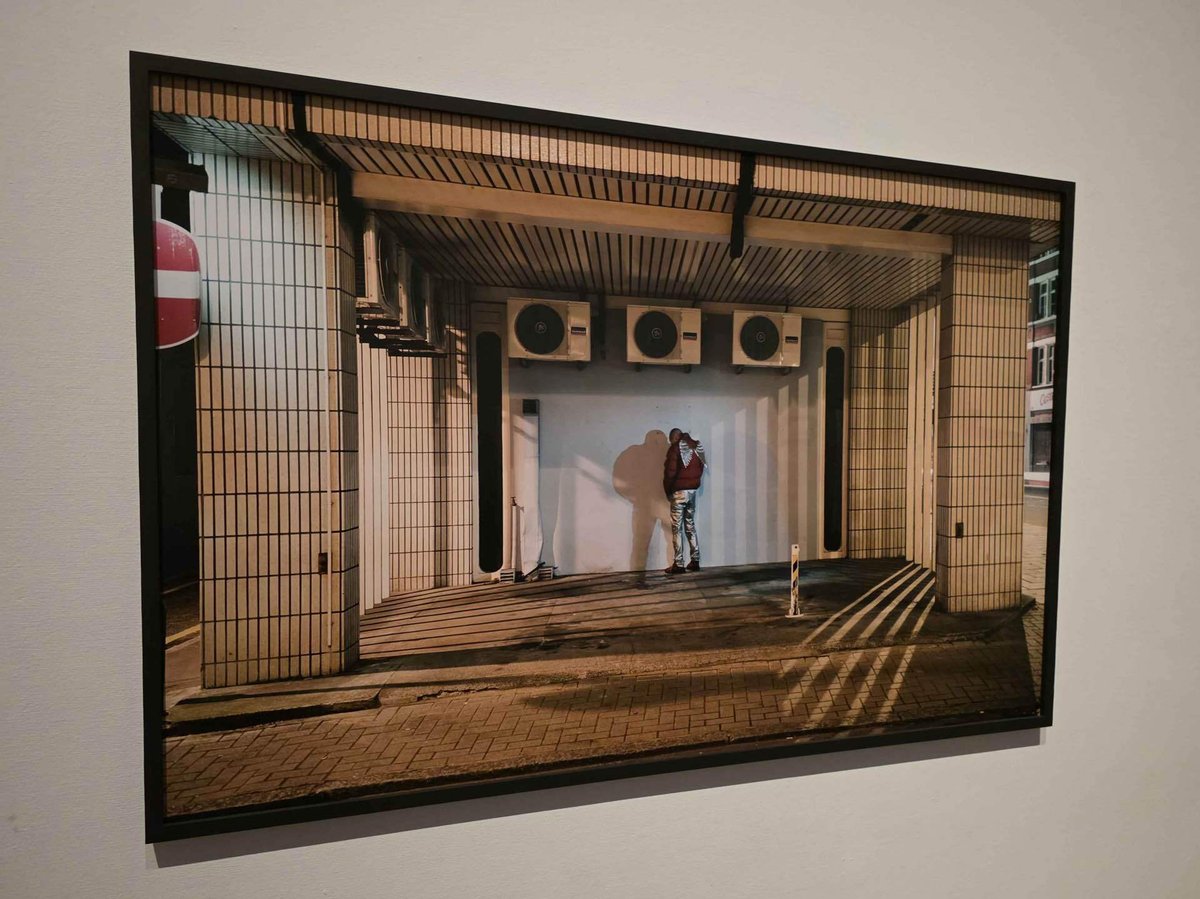
One photographer who worked with Vivienne Westwood had pieces on display. Beyond the beauty of the fashion and the strong perspective work, there was this lingering sadness and sense of decay that instantly brought Trainspotting to mind again.
It feels like whenever you slice into Britain of that era, this exact color palette bleeds out naturally.
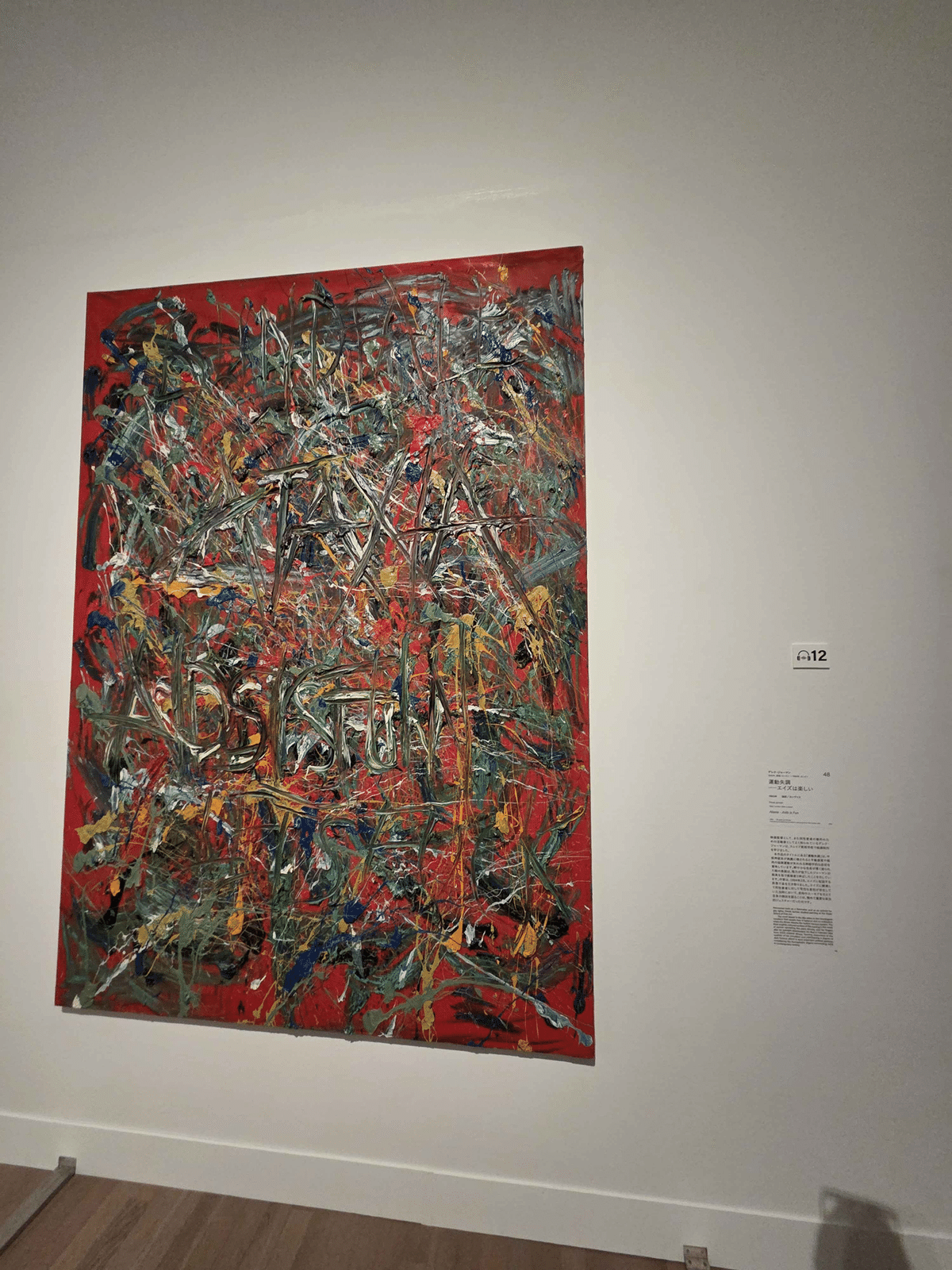
Then there was a work titled Ataxia - Aids is Fun.
An unbelievable theme.
But black humor only flourishes in worlds desperate for something violent enough to shatter their suffocation. Resistance against emptiness gave birth to all kinds of art and rock stars. Culture is born from pressure and backlash.
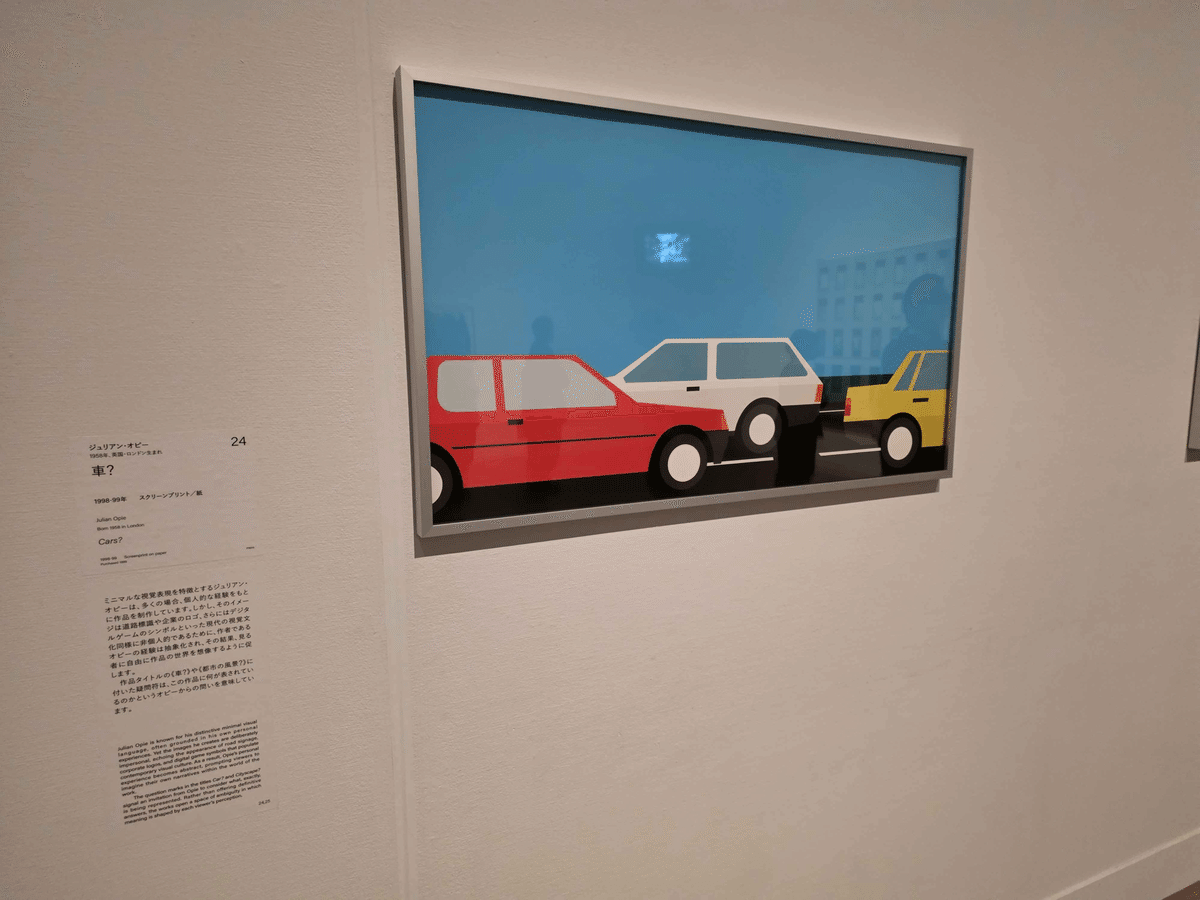
Cars, in any era, contain themes of wealth, capitalism, movement, futurism — all kinds of abstractions at once.
I kept wondering what “the automobile” symbolized for people at that moment in Britain.
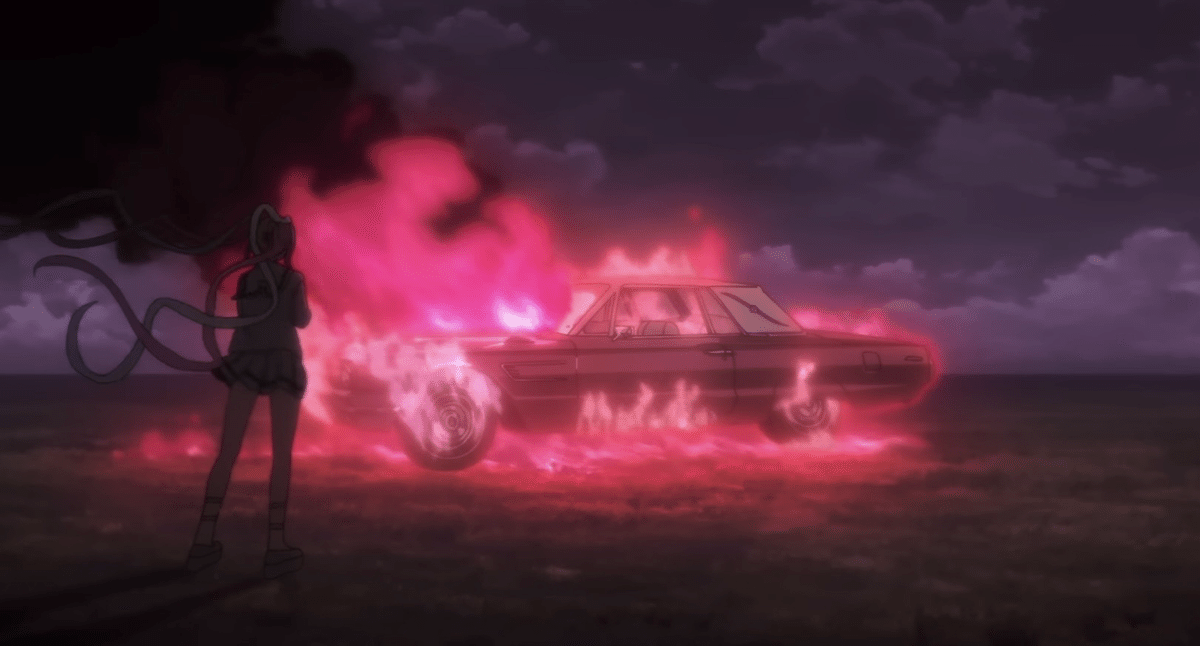
Burn bourgeois cars!!!
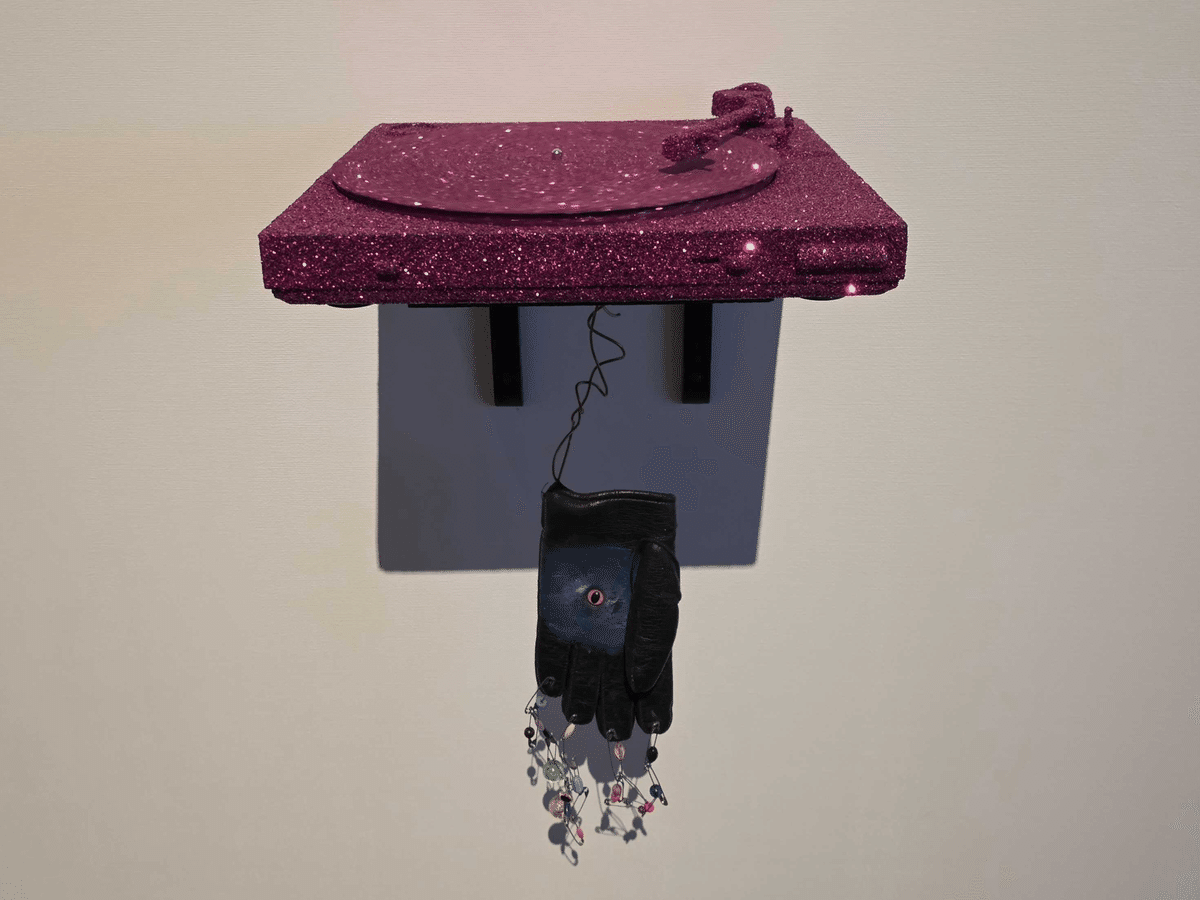
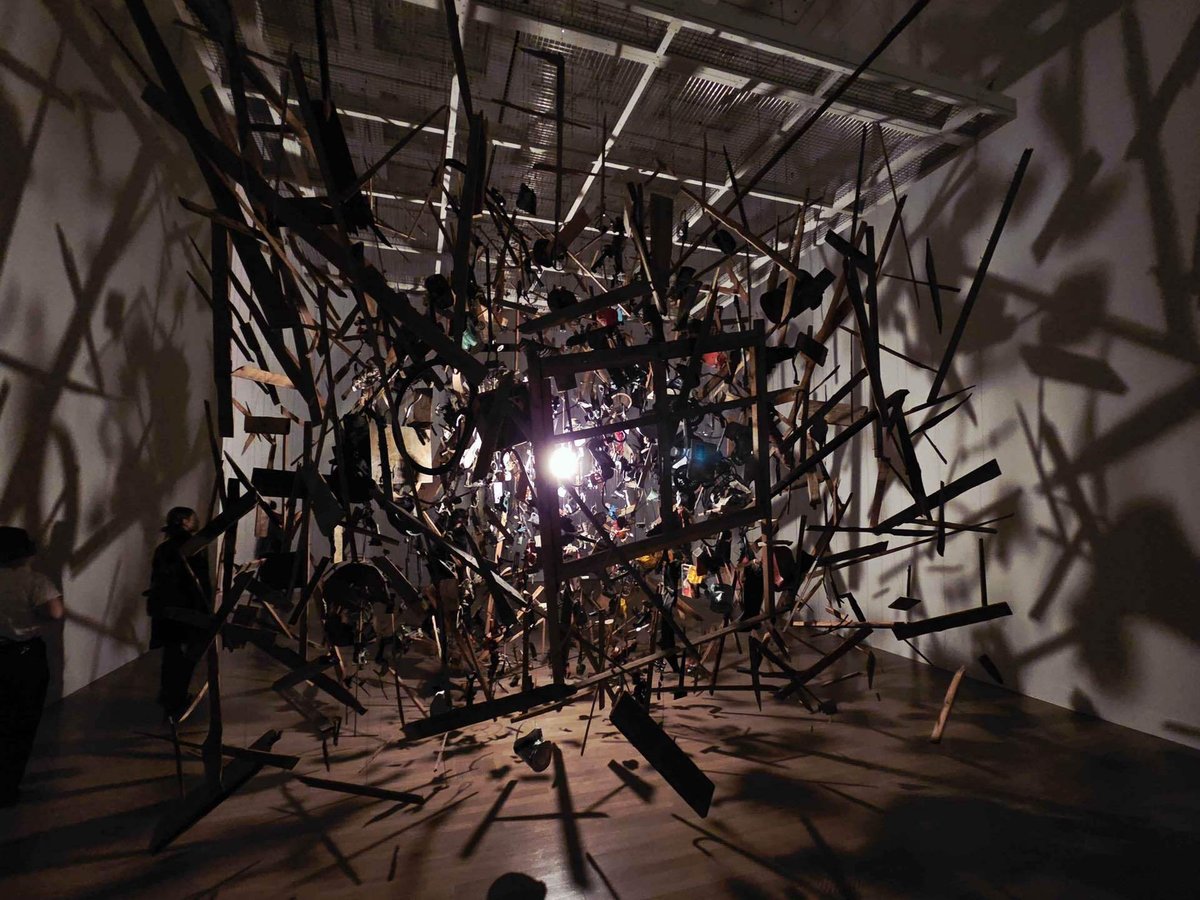
And now, in the age of social media, we consume the frustration and explosions expressed by the YBAs.
Choose life.
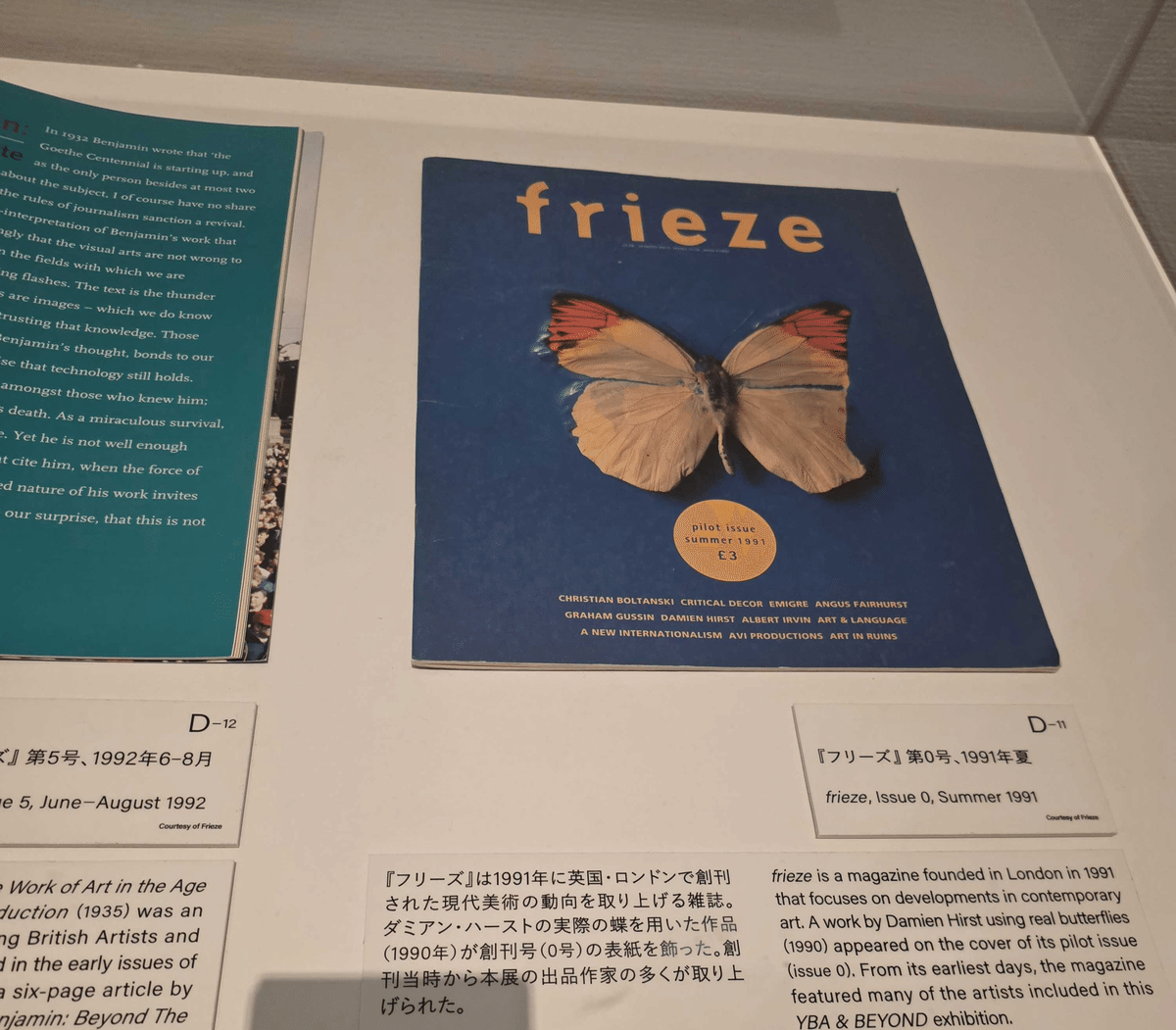
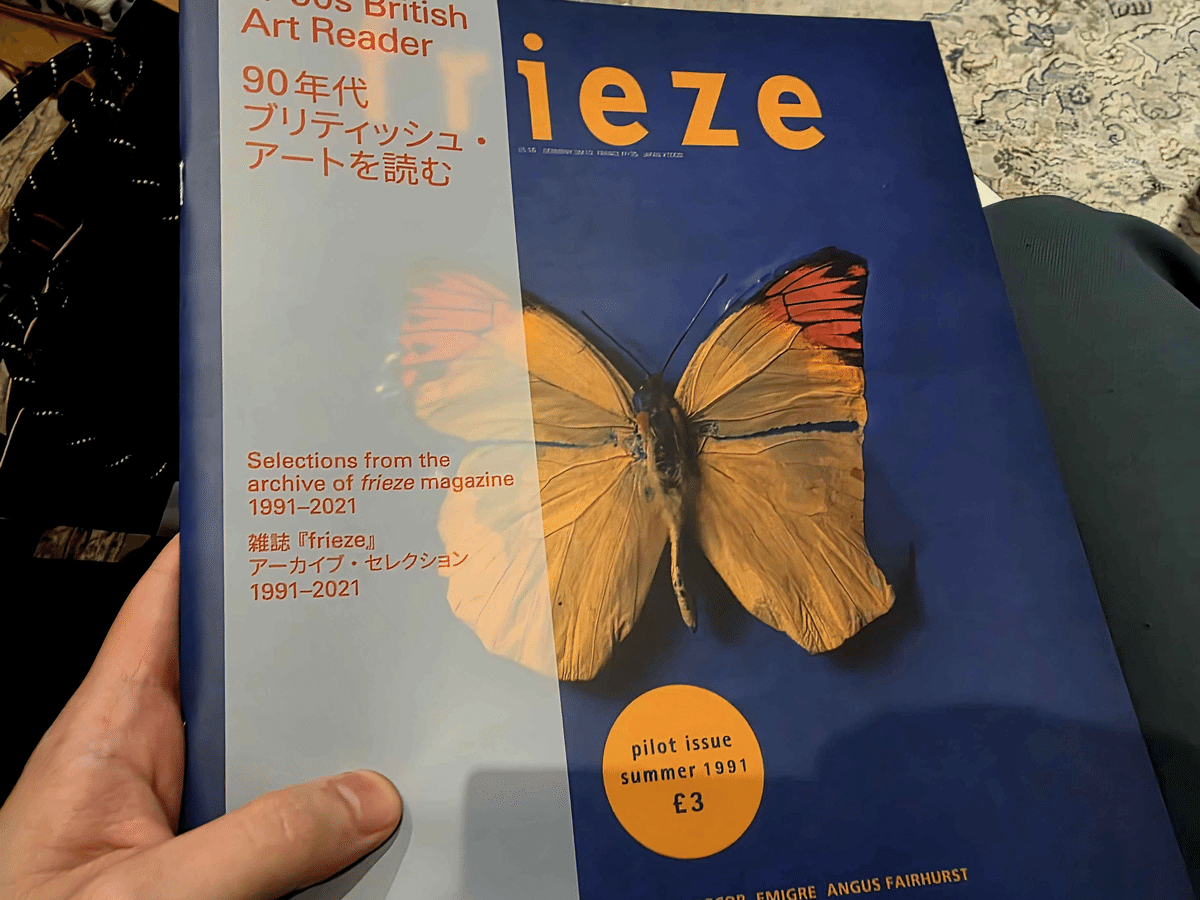
I also picked up a book modeled after the first issue of frieze, which made me absurdly happy.
Back then, magazines still had power. Art and subculture genuinely felt cutting-edge. In Japan, meanwhile, things drifted toward grotesque underground aesthetics and deliberate bad taste. It must have been a fascinating time.
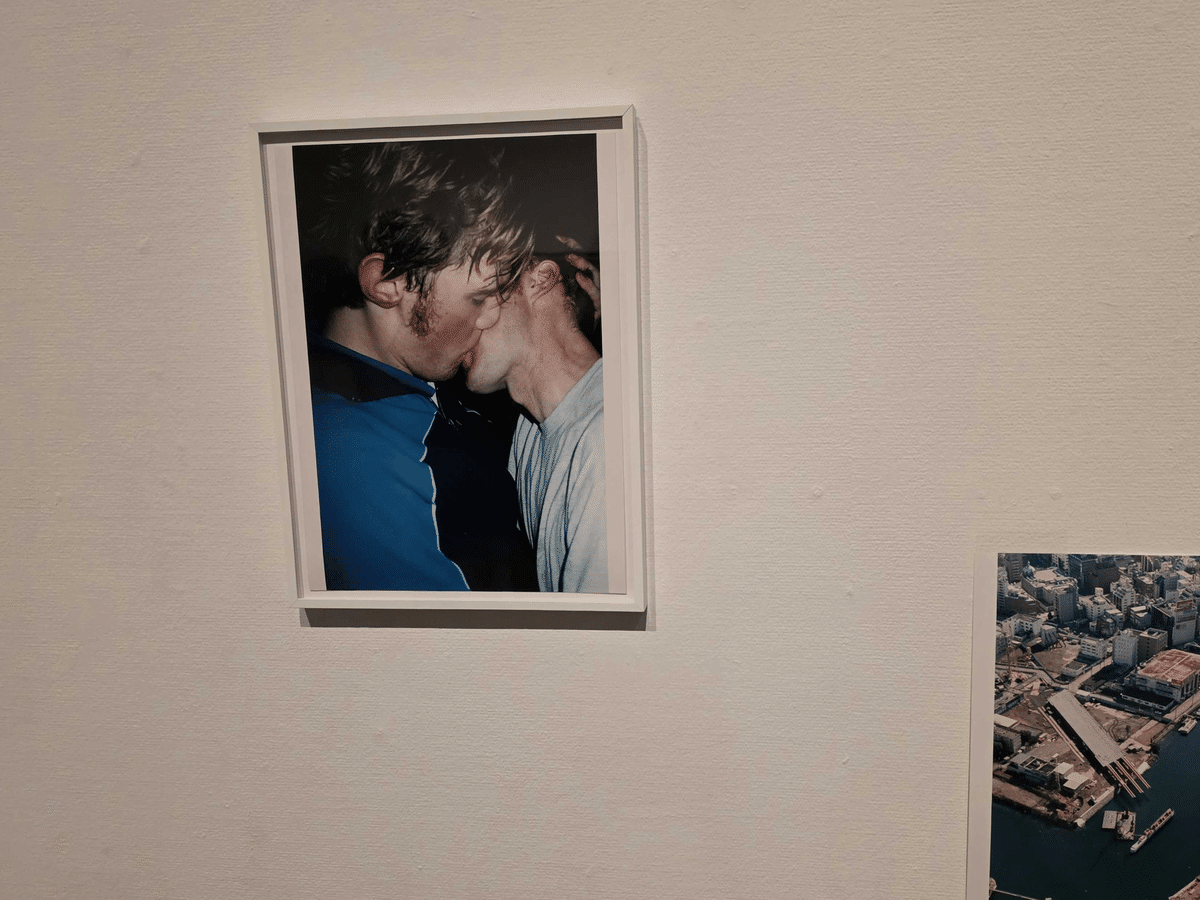
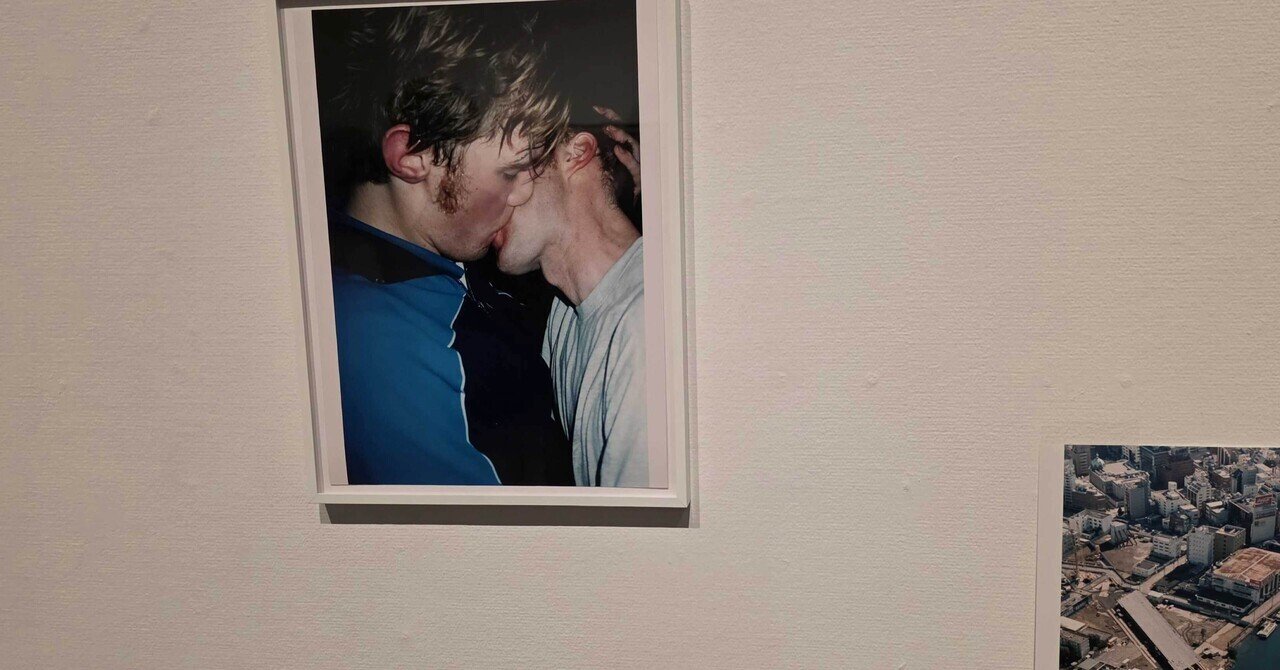
One photograph captured two gay men kissing and presented that moment boldly as art.
That single image felt like the crystallization of British art to me.
Well… after looking it up, apparently it was made in 2002, not the 90s. But still.
Choose life.
Comments (1)
Leave a comment