


So, with that, let's spend a day exploring Los Angeles's art museums on my own.
First up is The Broad, a museum dedicated primarily to contemporary art. It has an especially strong connection to Japan's contemporary art scene, with works by artists such as Takashi Murakami, Yayoi Kusama, and Yoko Ono.
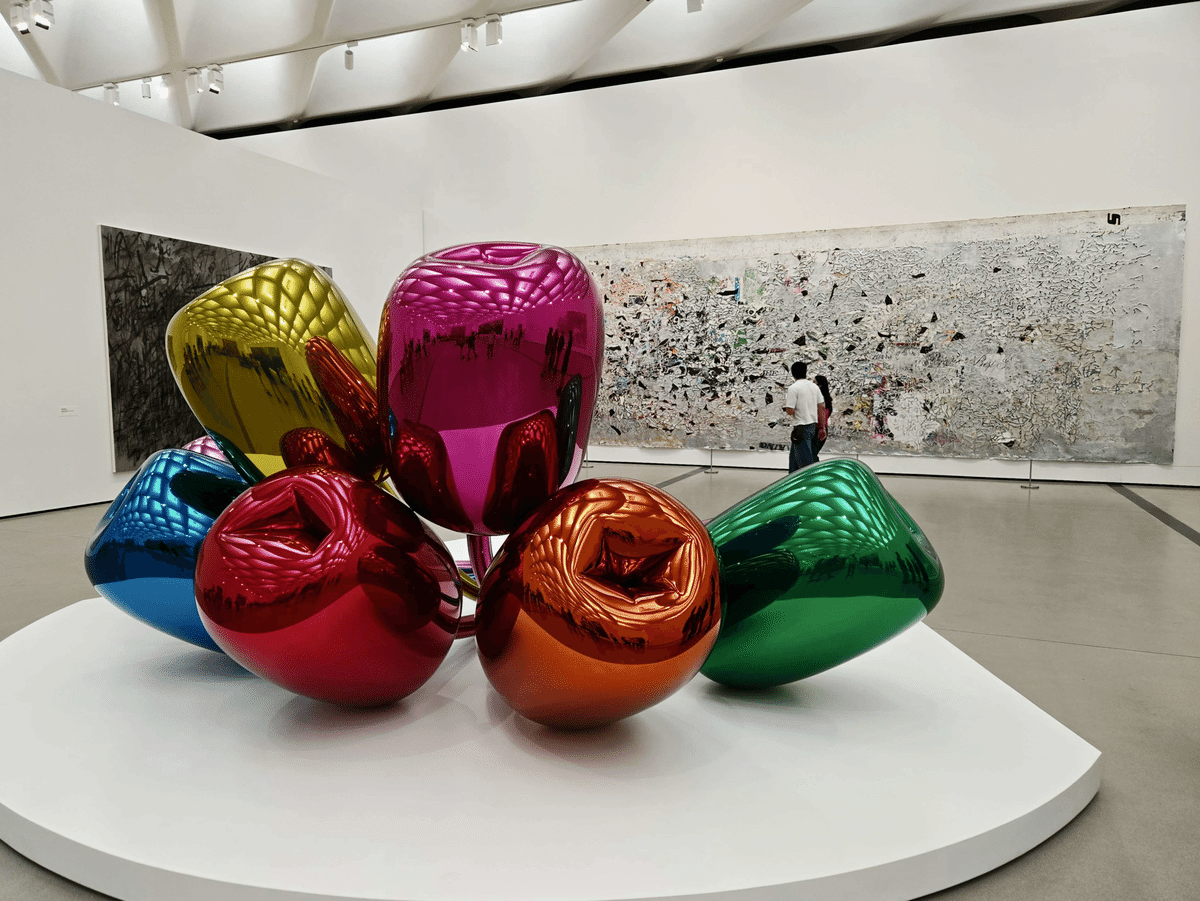
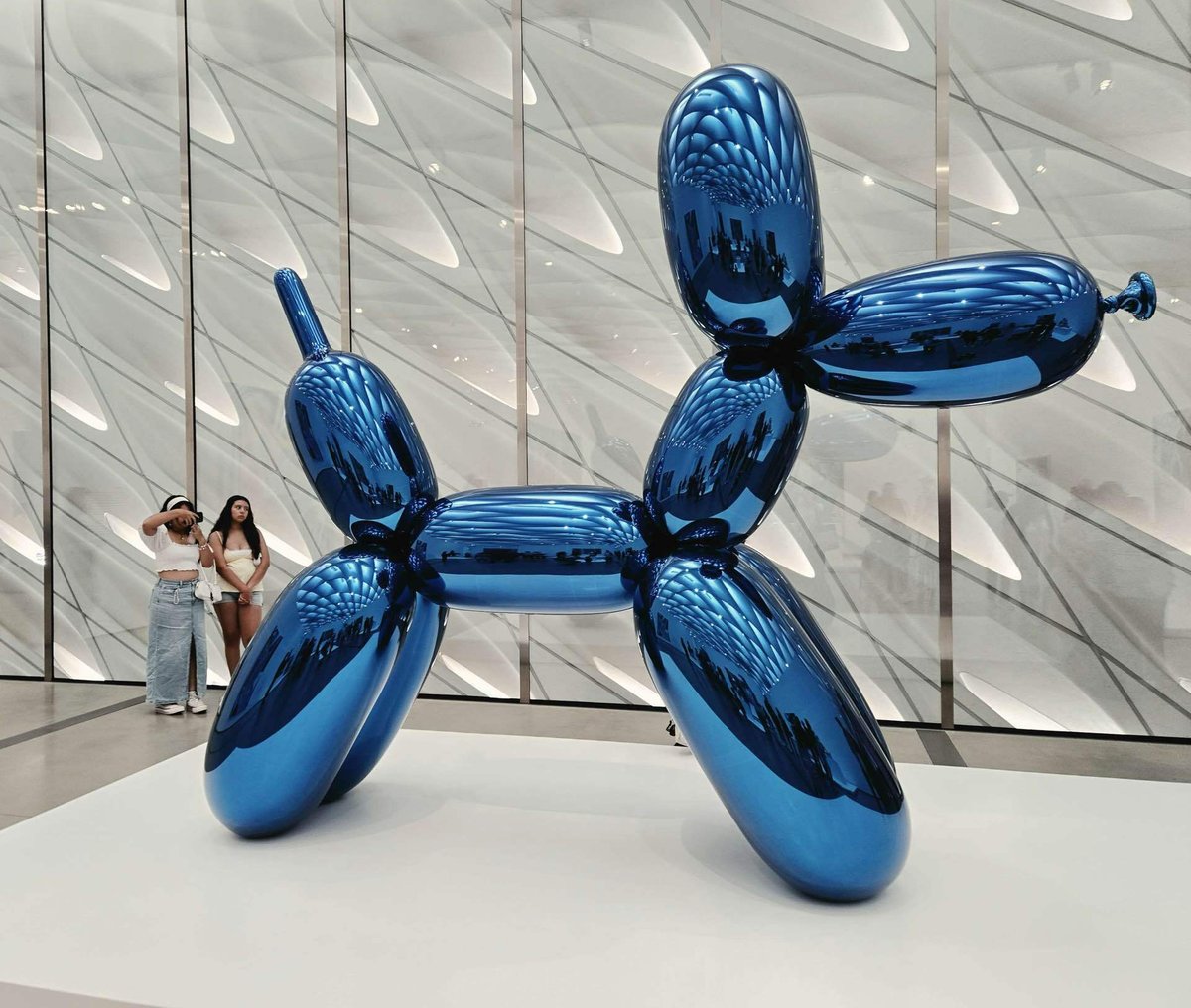
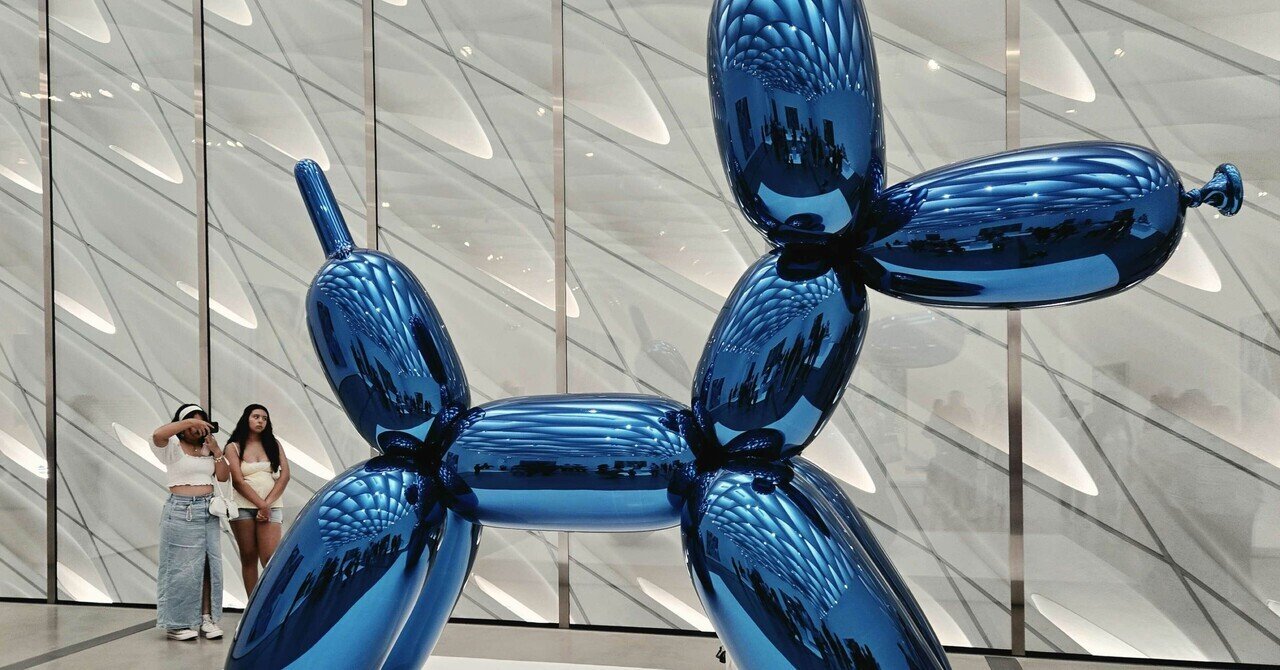
When it comes to contemporary art, though, nothing quite compares to Jeff Koons.
Standing before his work, you're struck by just how direct his idea of "display" really is. Seeing both Koons and Andy Warhol in America carries a significance of its own. This is, perhaps, part of what makes this country so powerful.
His work is simple, yet overwhelmingly commanding. You immediately understand why he's considered the "king" of contemporary art.
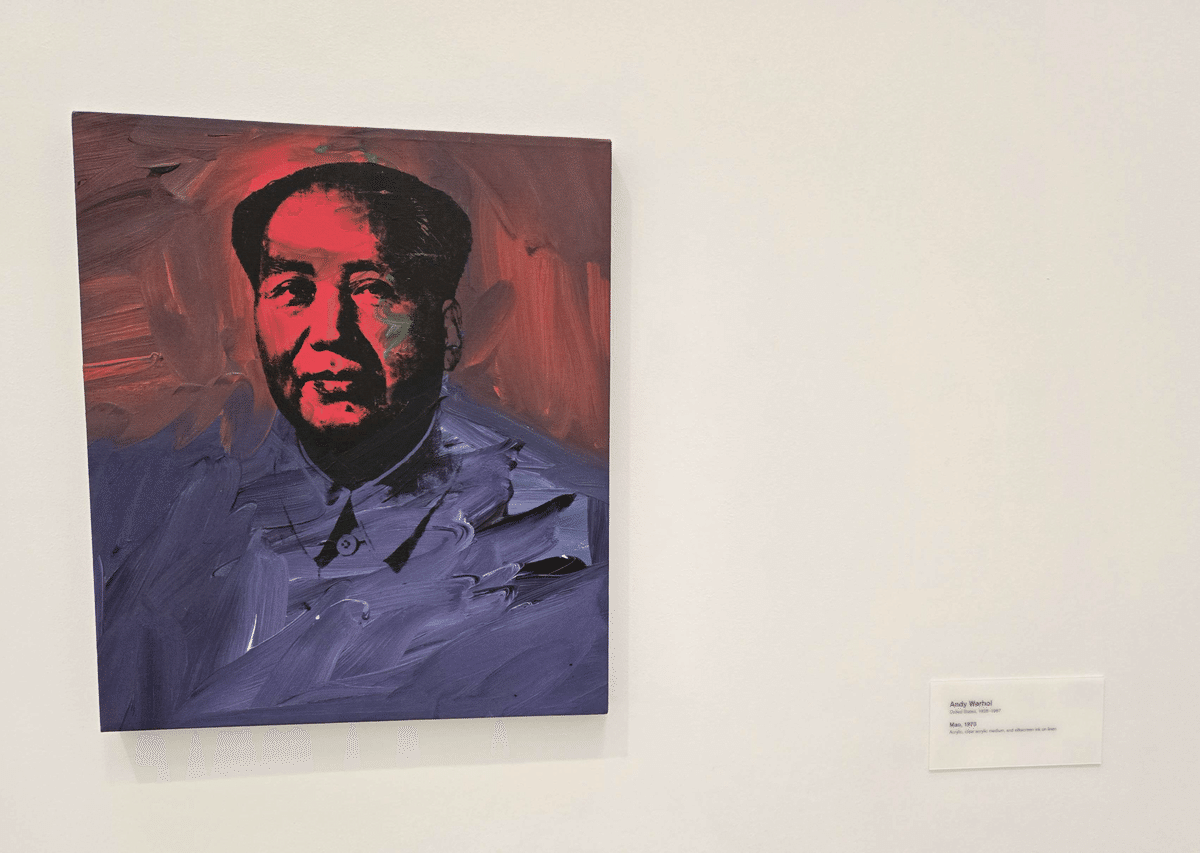
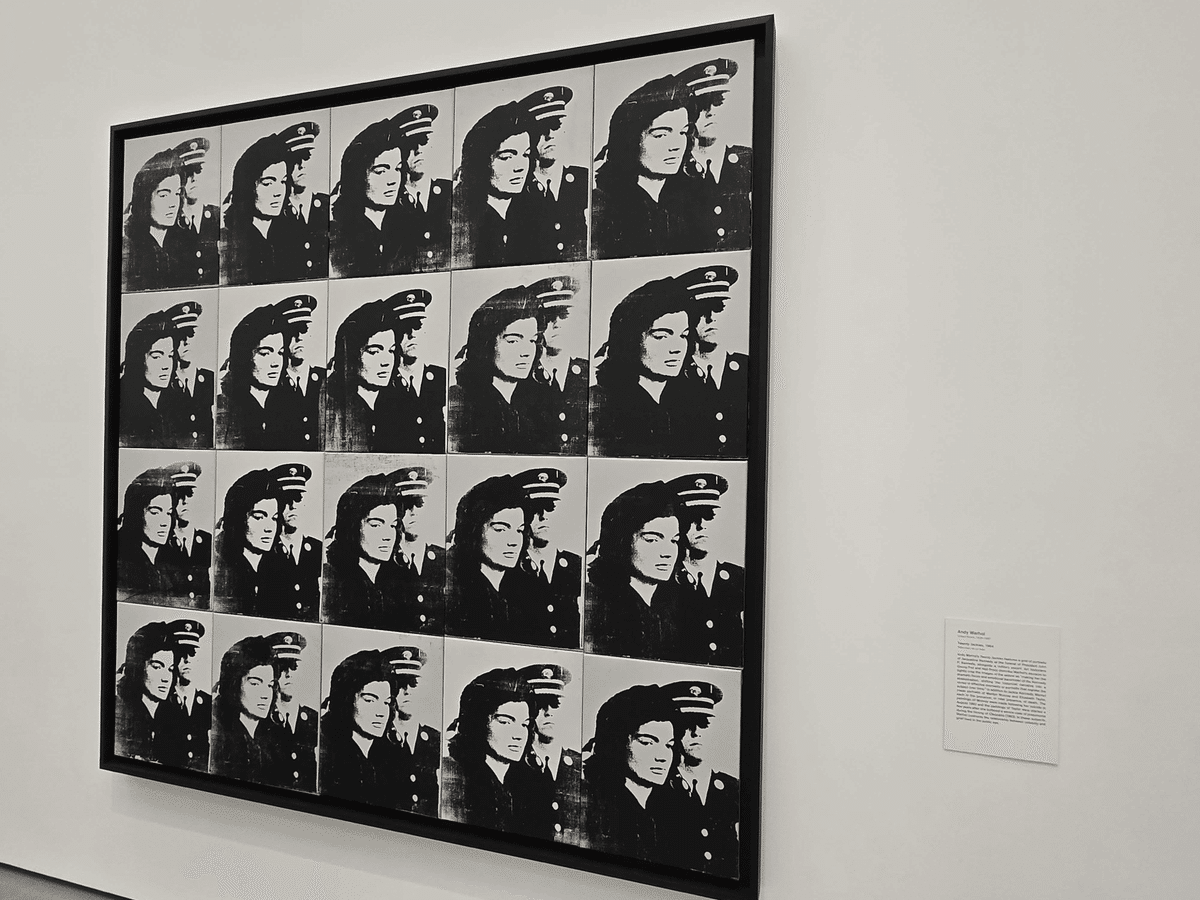
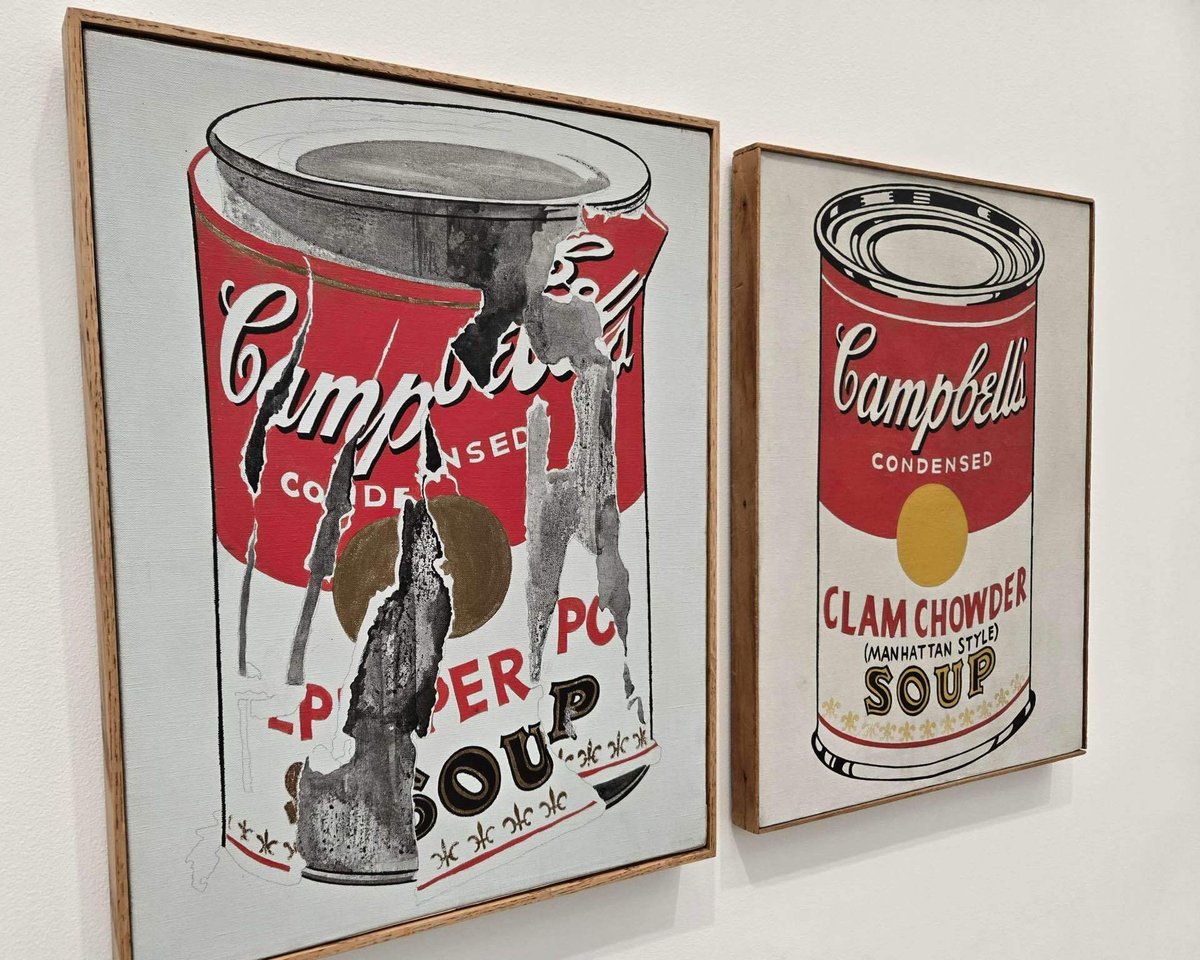
Experiencing a critique of mass consumerism in America itself is something special.
Seeing Warhol here felt completely different from seeing him in an Italian museum.
The message is so direct that its impact becomes even stronger. You can feel the sheer force behind it.
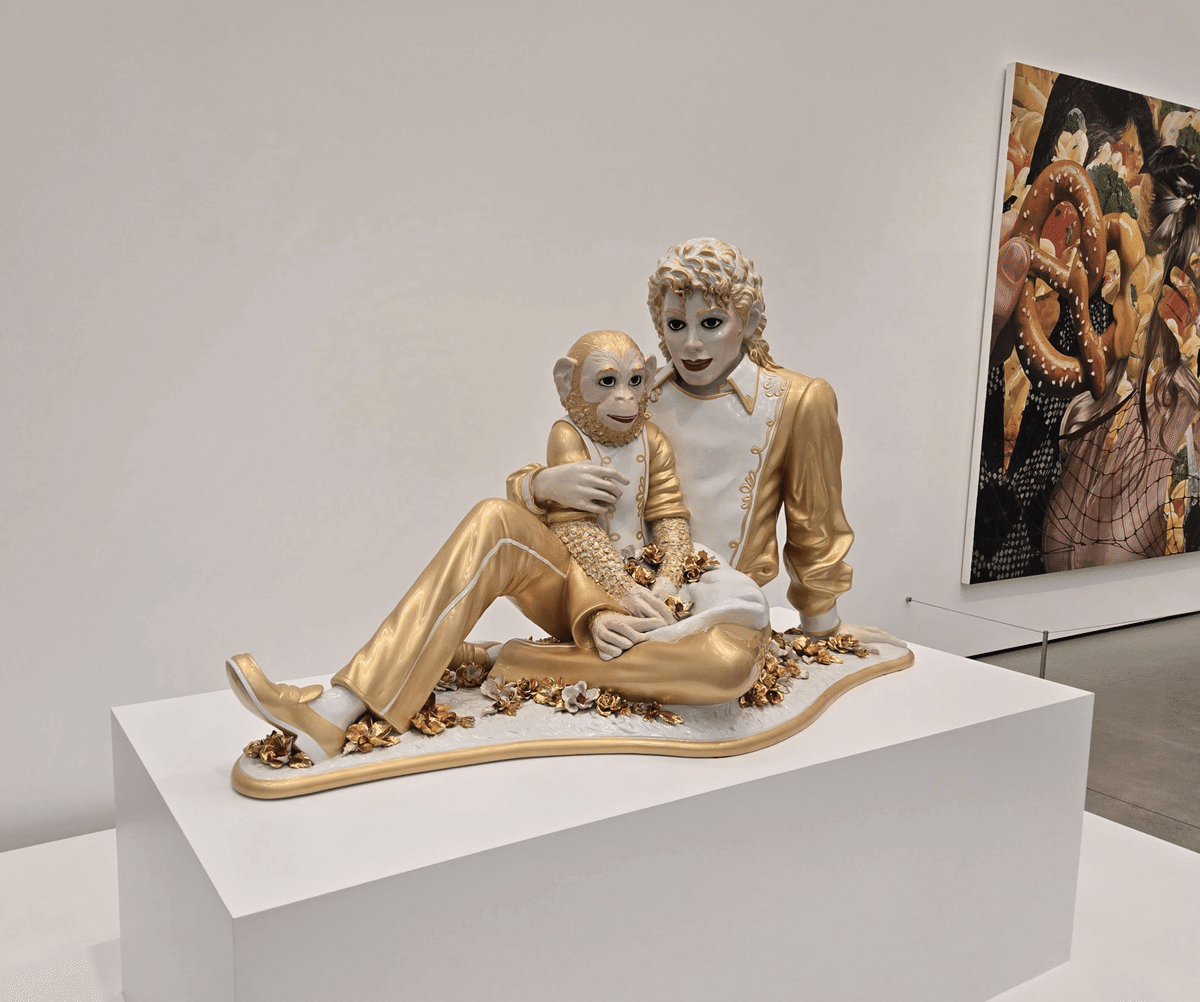
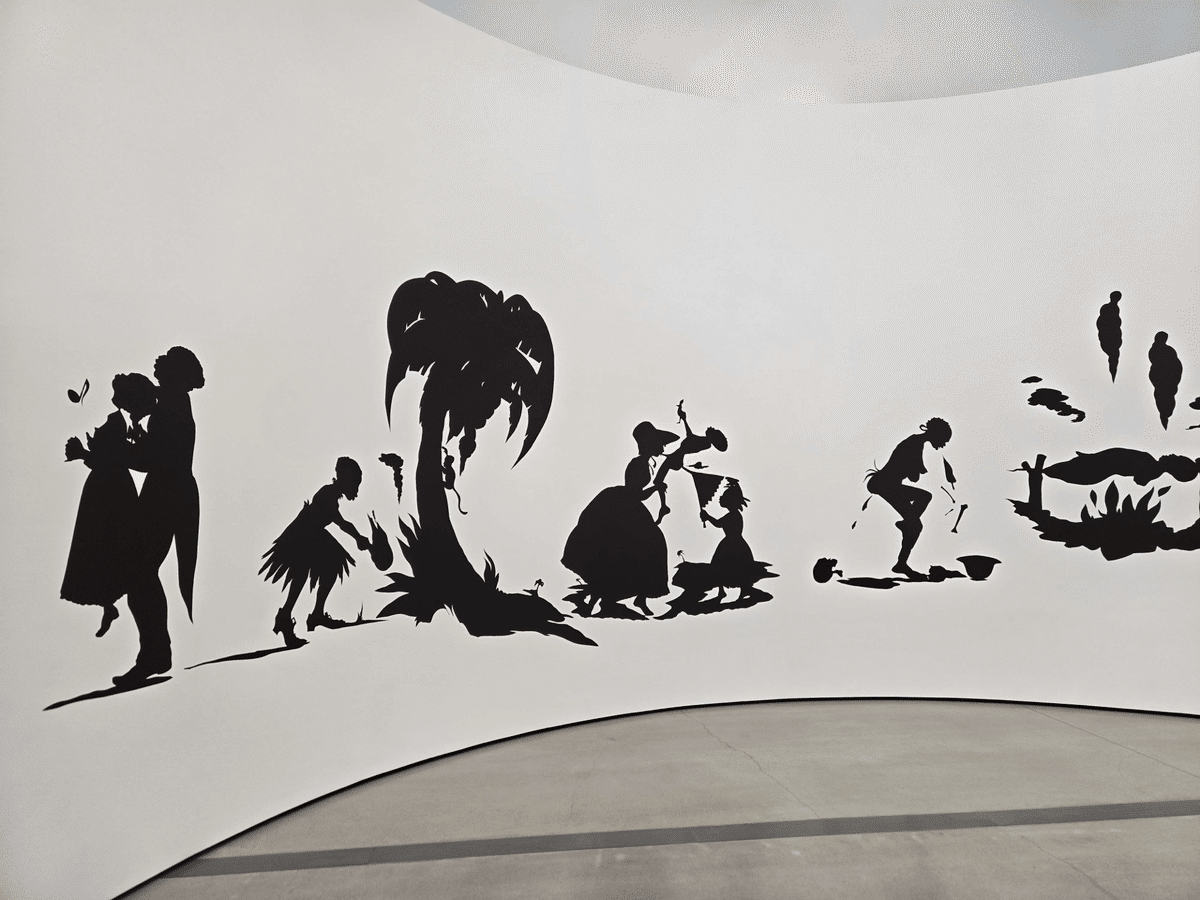
So this is American art.

Personally, though, I find myself even more drawn to what came after this—the nihilism and punk spirit of 1990s British art. As I move from museum to museum, watching these artistic movements connect across history is one of the greatest pleasures.
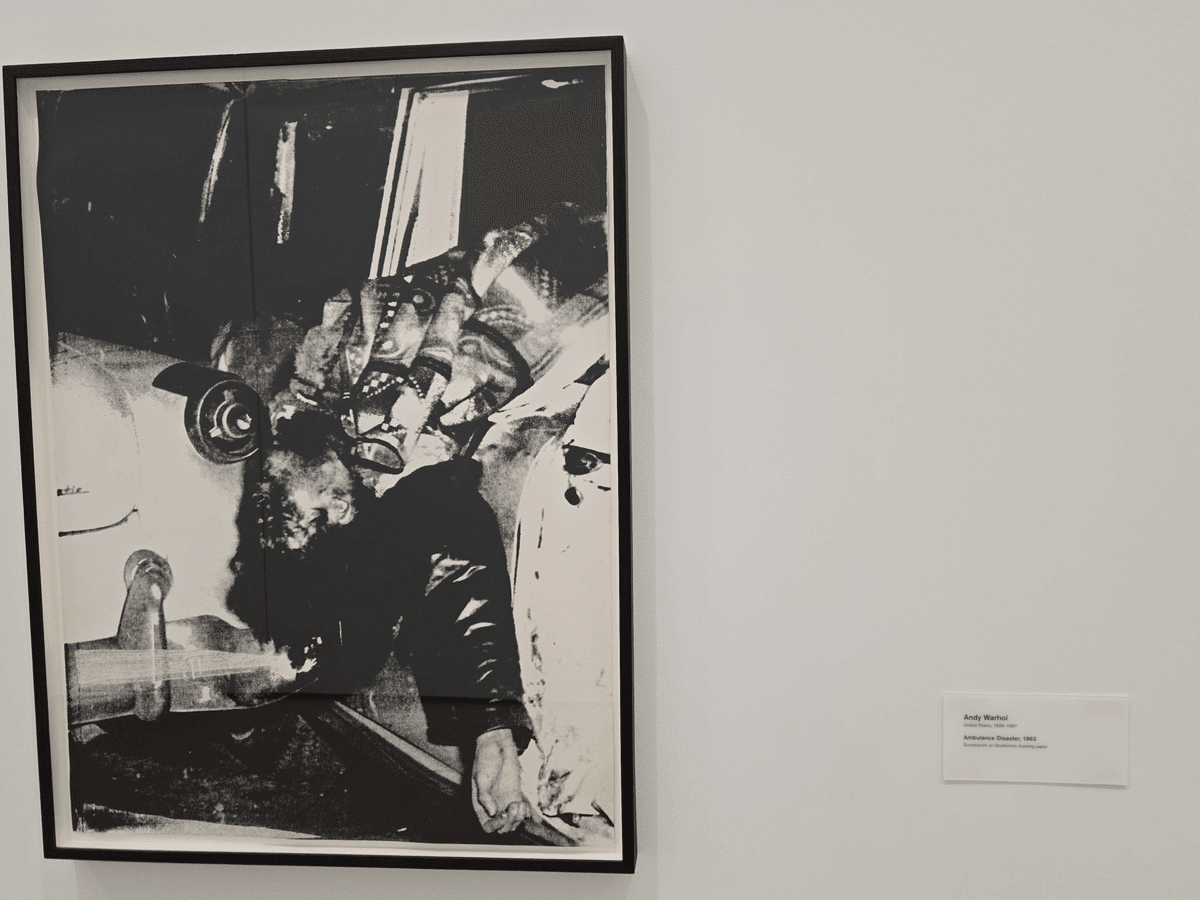
This Warhol really stood out to me.
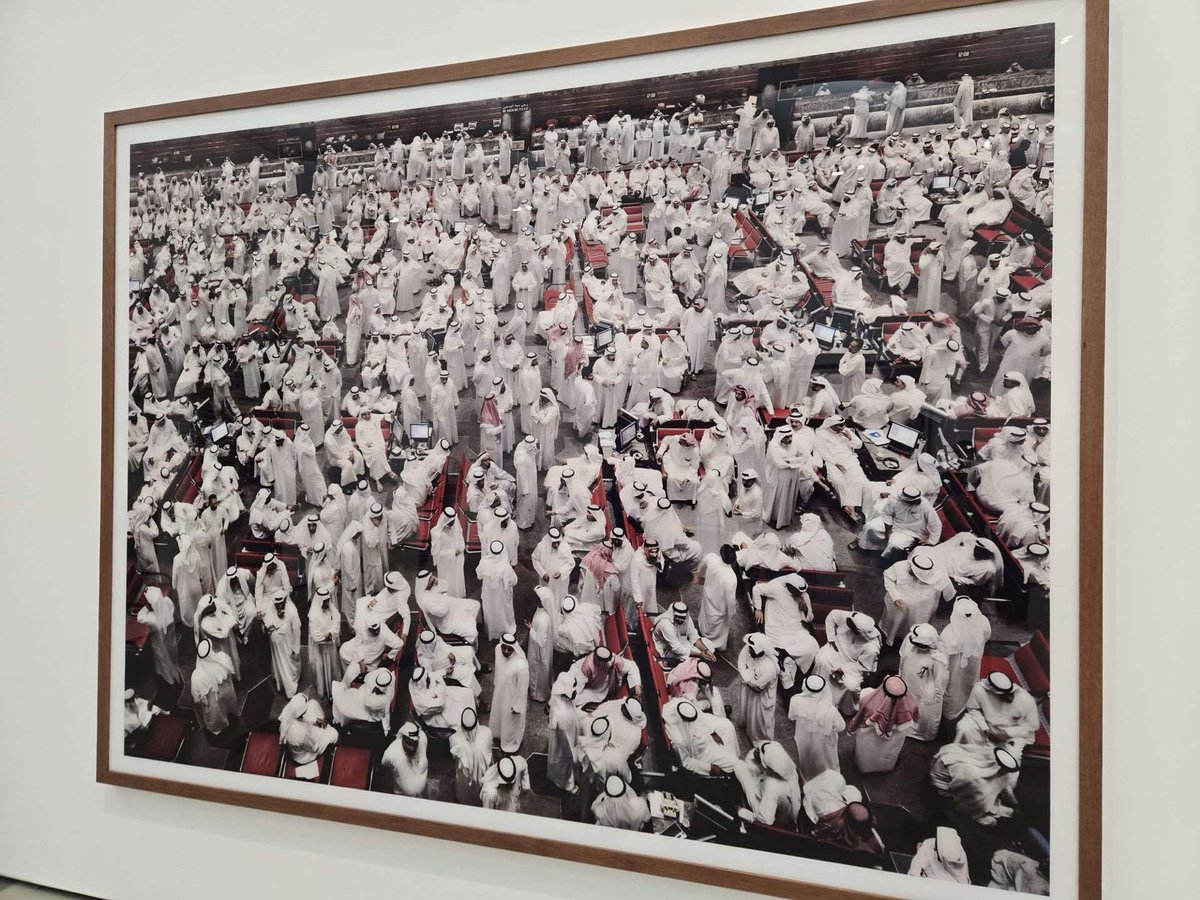
As for photography, this piece was astonishing.
Because it predates AI, it possesses a kind of power that's becoming increasingly rare. It made me wonder how photography's value will continue to change in the eras before and after AI, and how future exhibitions may feature works that either embrace AI's possibilities, satirize them, or incorporate the technology itself.
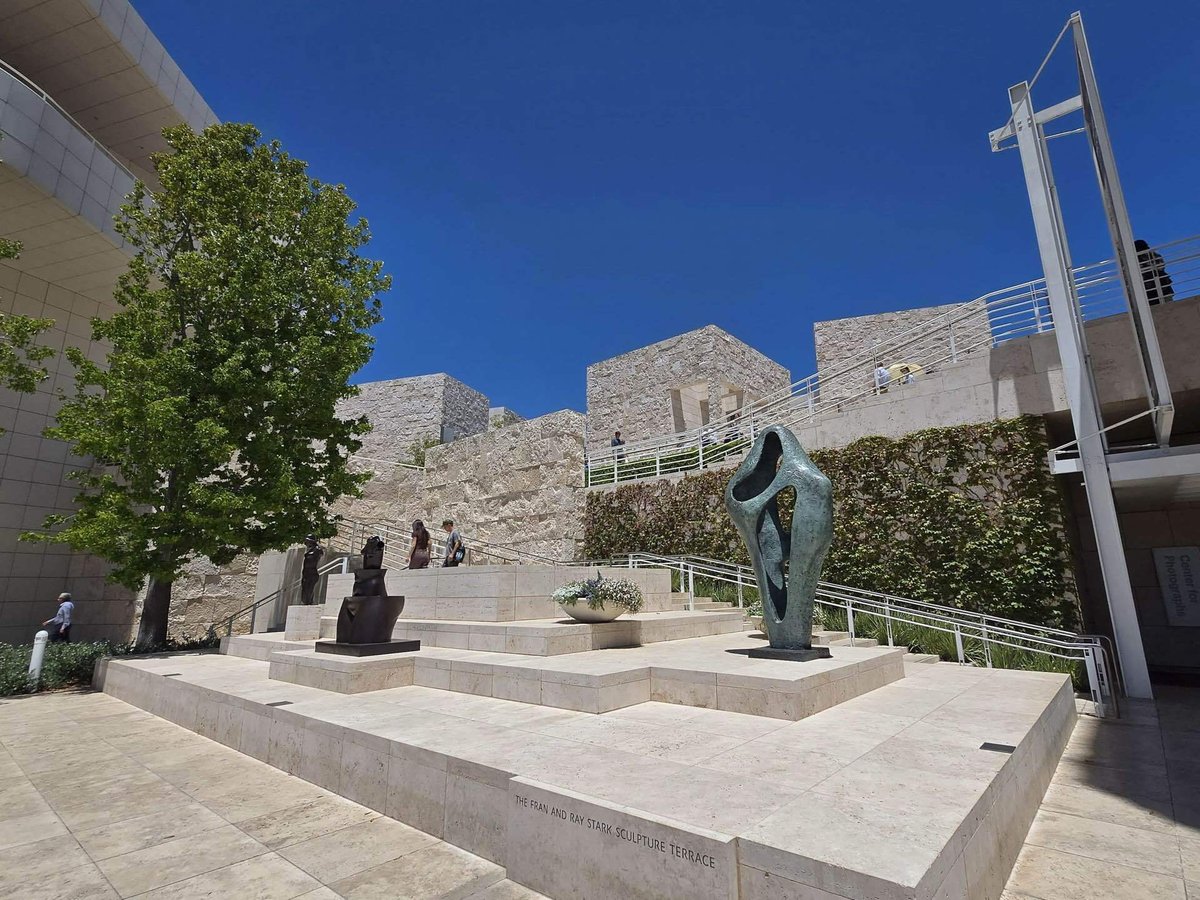
Next was the Getty Center, a massive museum that represents a more traditional approach to art. Even the central garden is enormous, and visitors travel between different parts of the museum by tram. There's certainly a lot of walking involved, but in return...
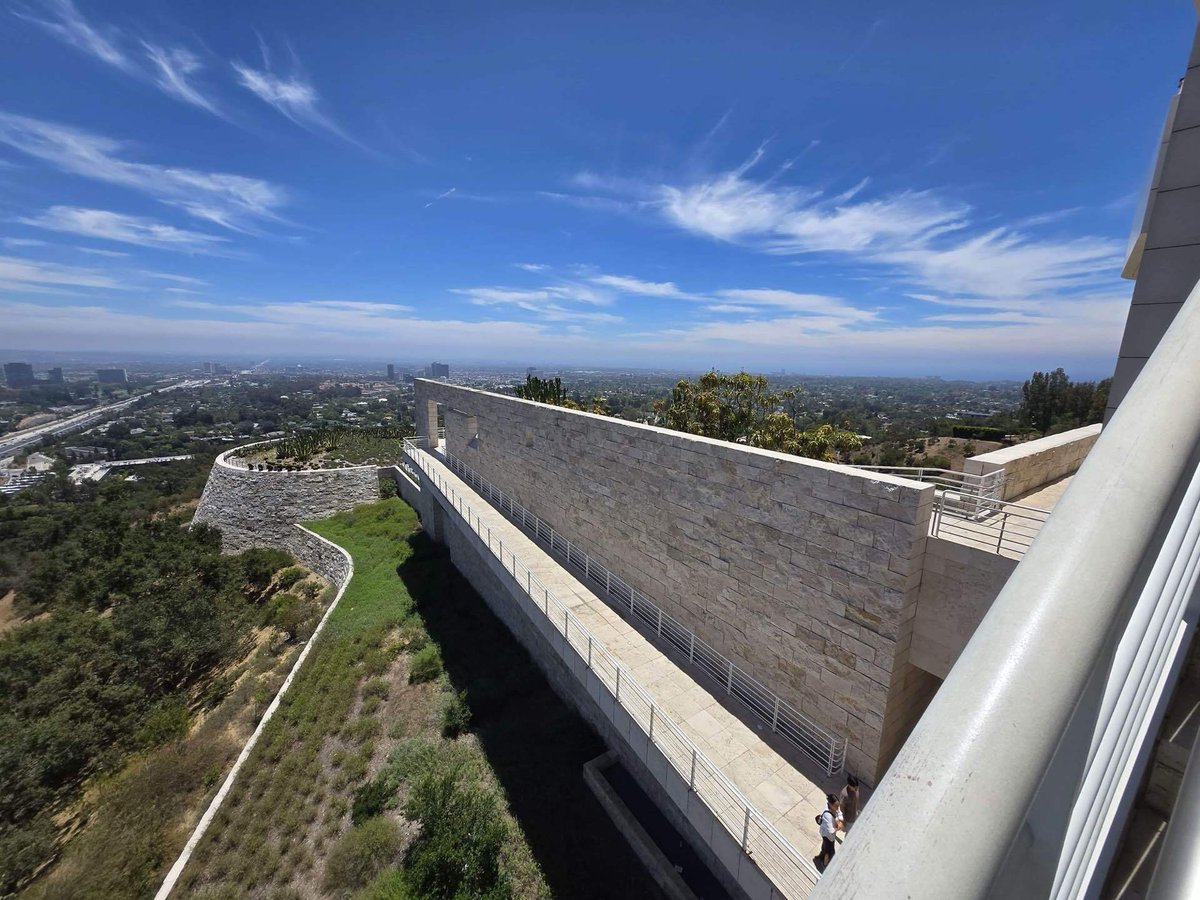
...you're rewarded with views like this.
Admission is free, so families casually come to spend the day here. It truly feels like a beloved landmark of the city.
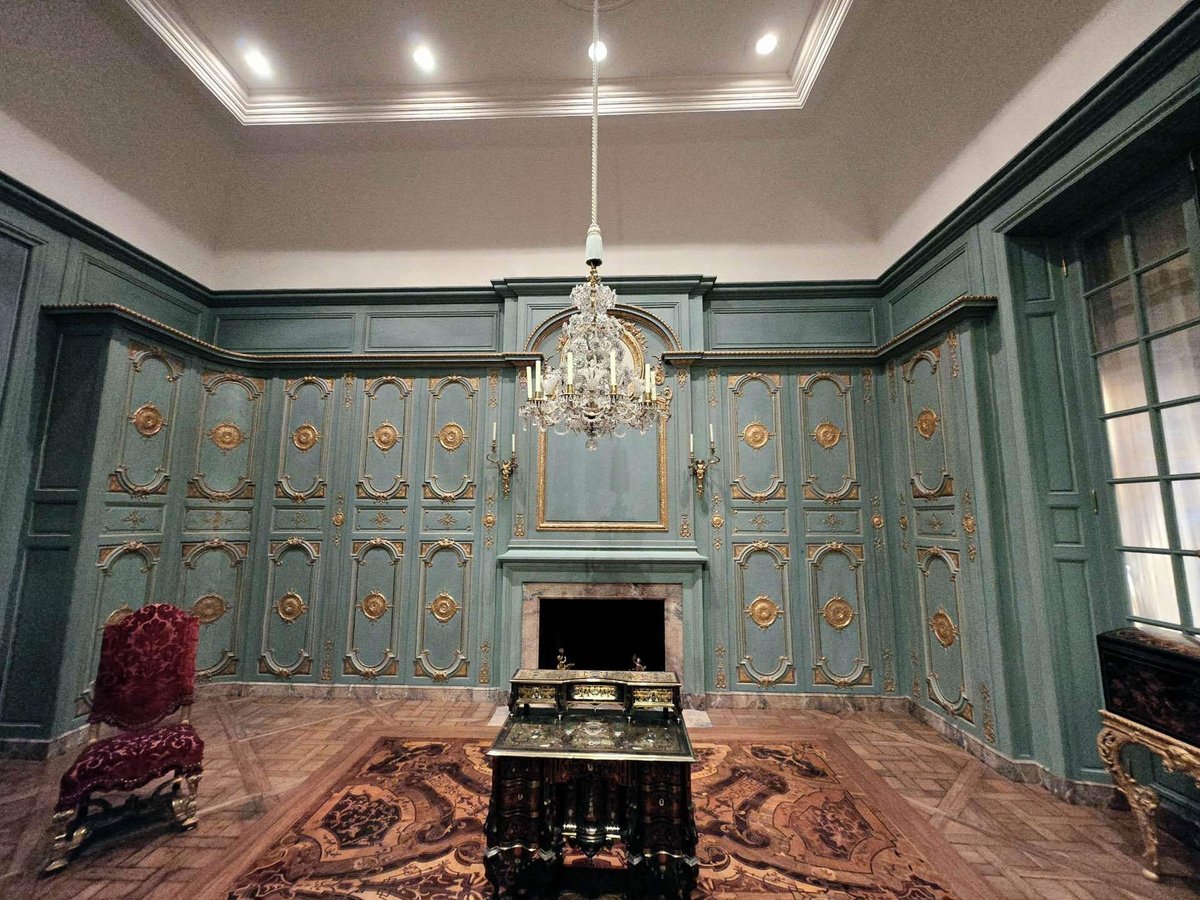
Faithful recreations of lavish historical rooms are always exciting to see, no matter where you encounter them.
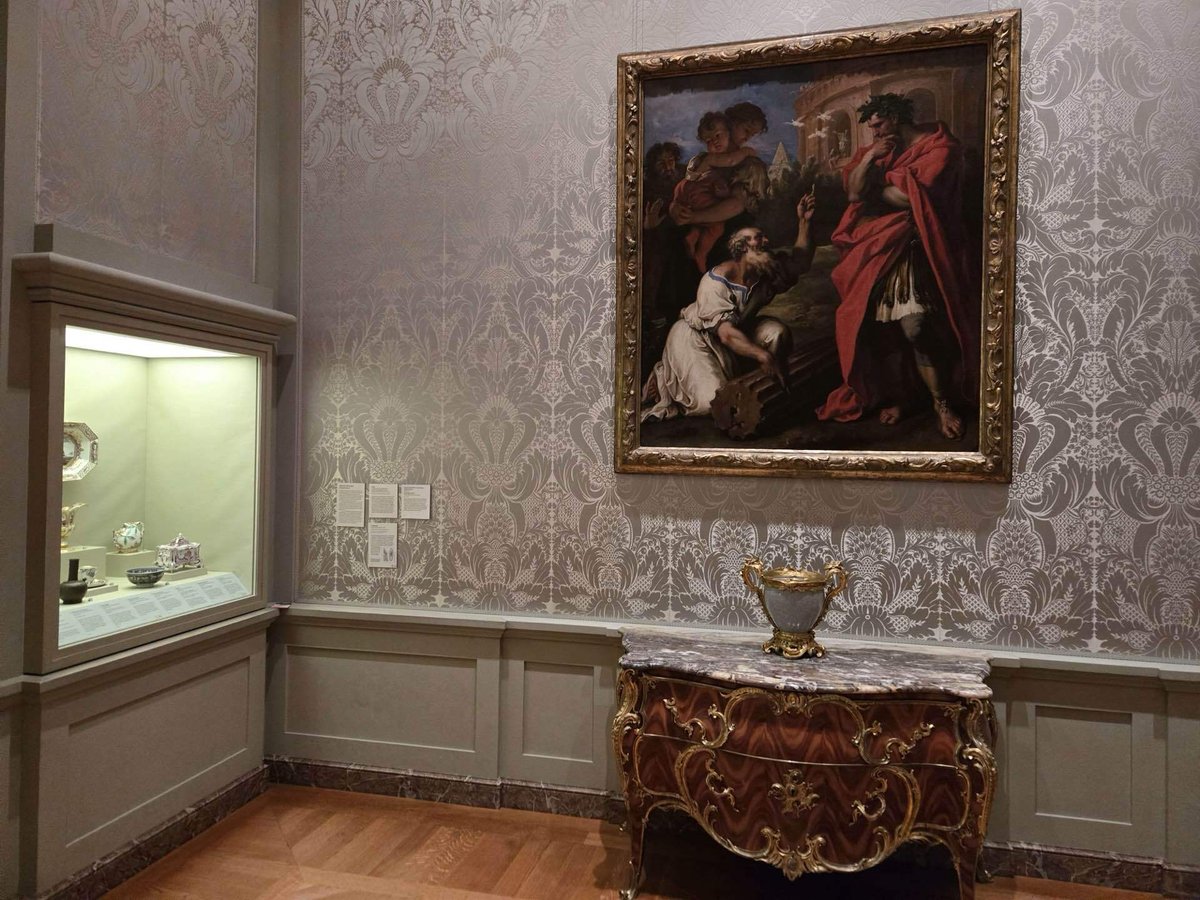
While the collection is primarily made up of religious paintings, there are also a handful of Impressionist and later works.
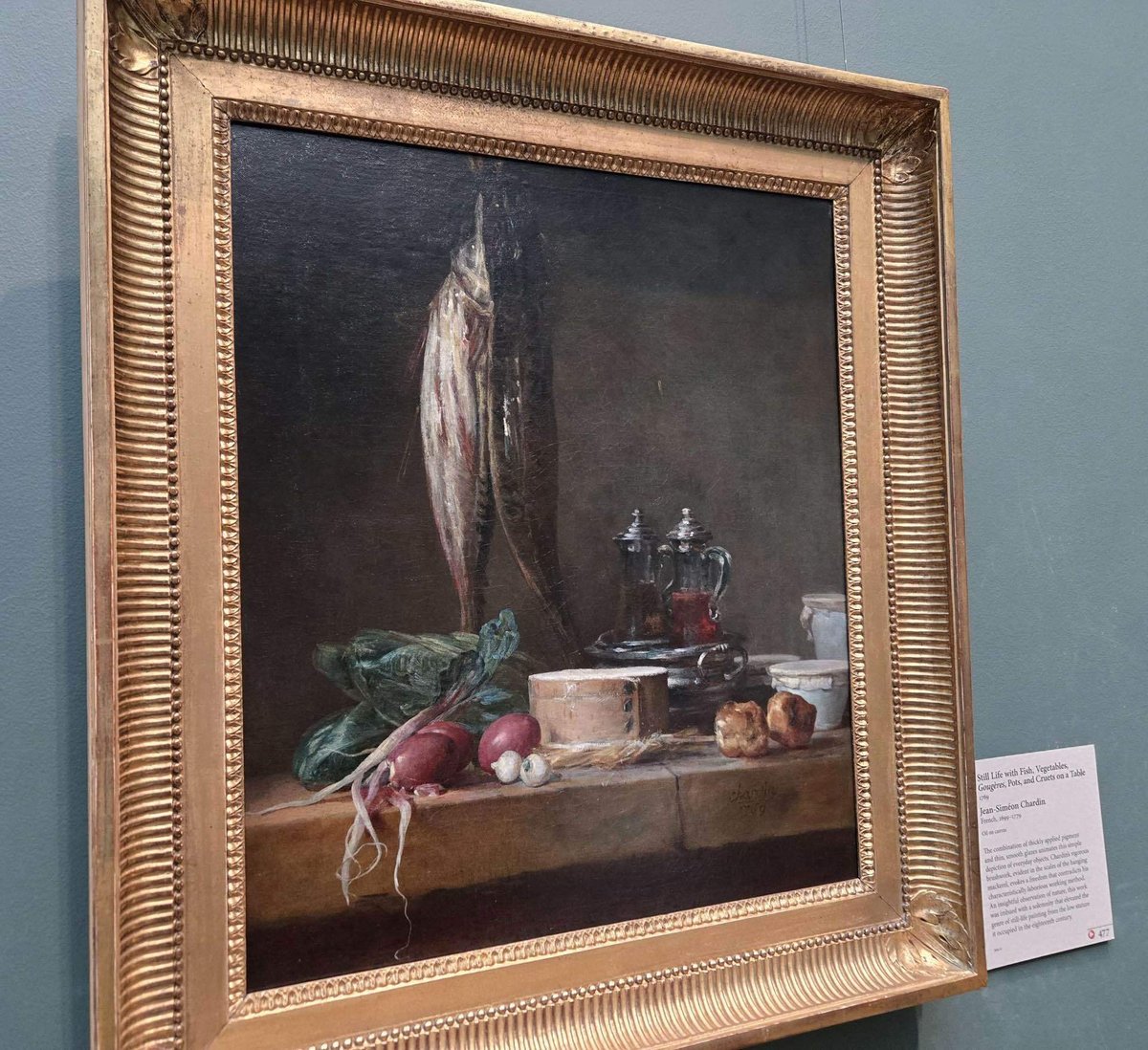
Vanitas paintings are something you simply have to experience in person.
Even among galleries filled with magnificent works, they possess an overwhelming sense of emptiness unlike anything else. They force you to confront mortality—the unmistakable presence of death radiating from the canvas is extraordinary.
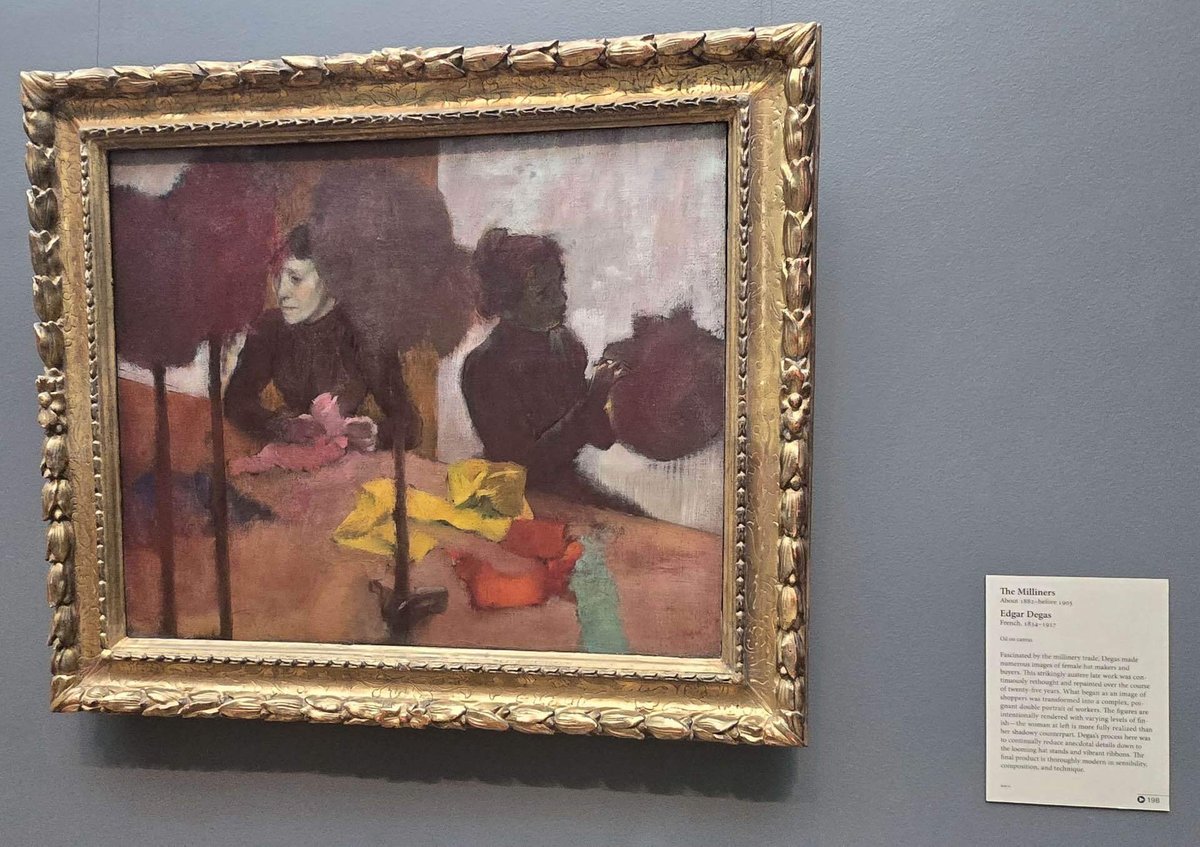
Degas.
I feel that the deep blacks in Degas's paintings only become complete when seen alongside the subtle fading that comes with age.
Those blacks are precisely what make the yellows and reds shine so vividly.
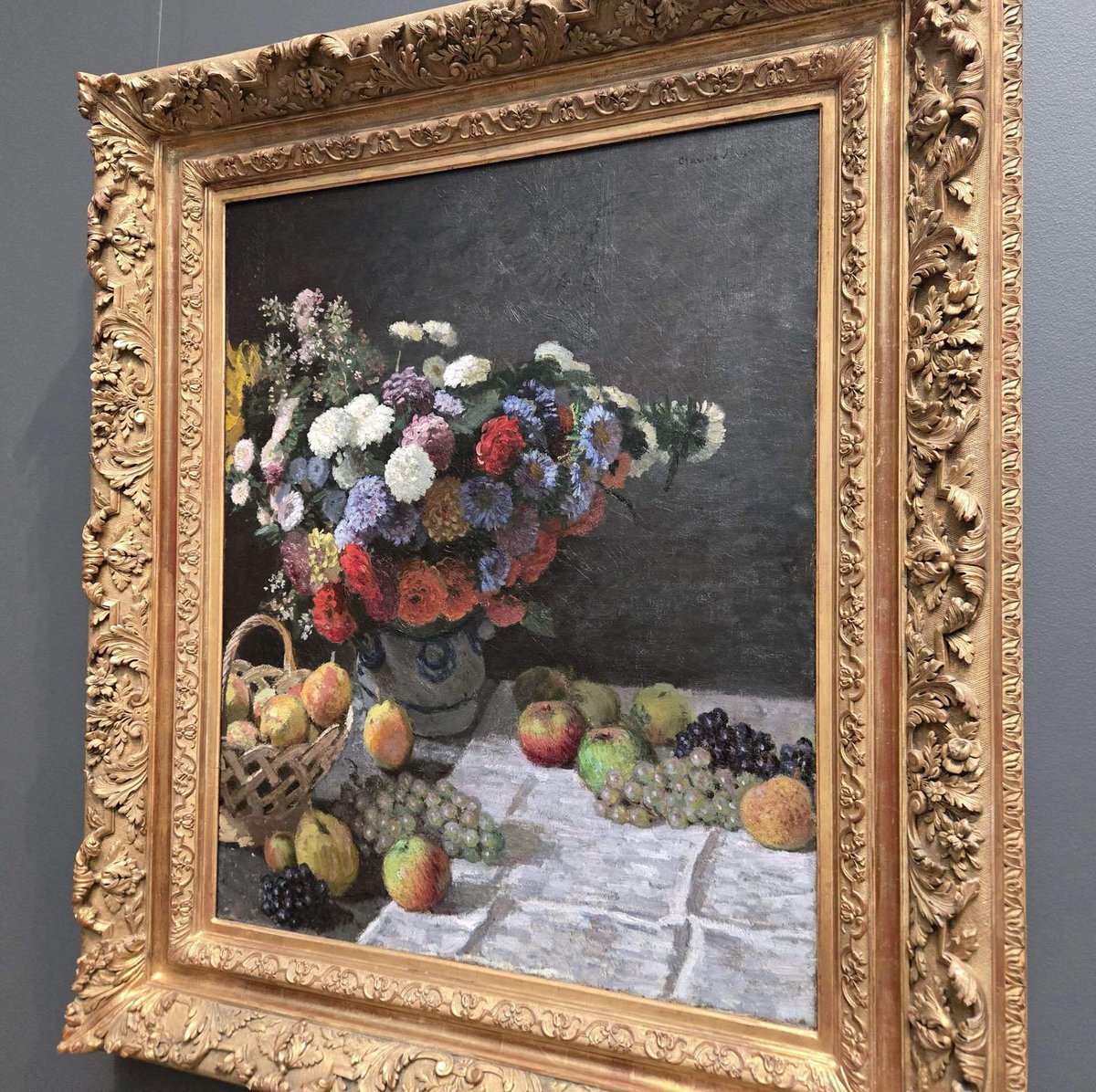
The greatest joy of visiting the Getty Center, however, was finally seeing Monet's blue with my own eyes.
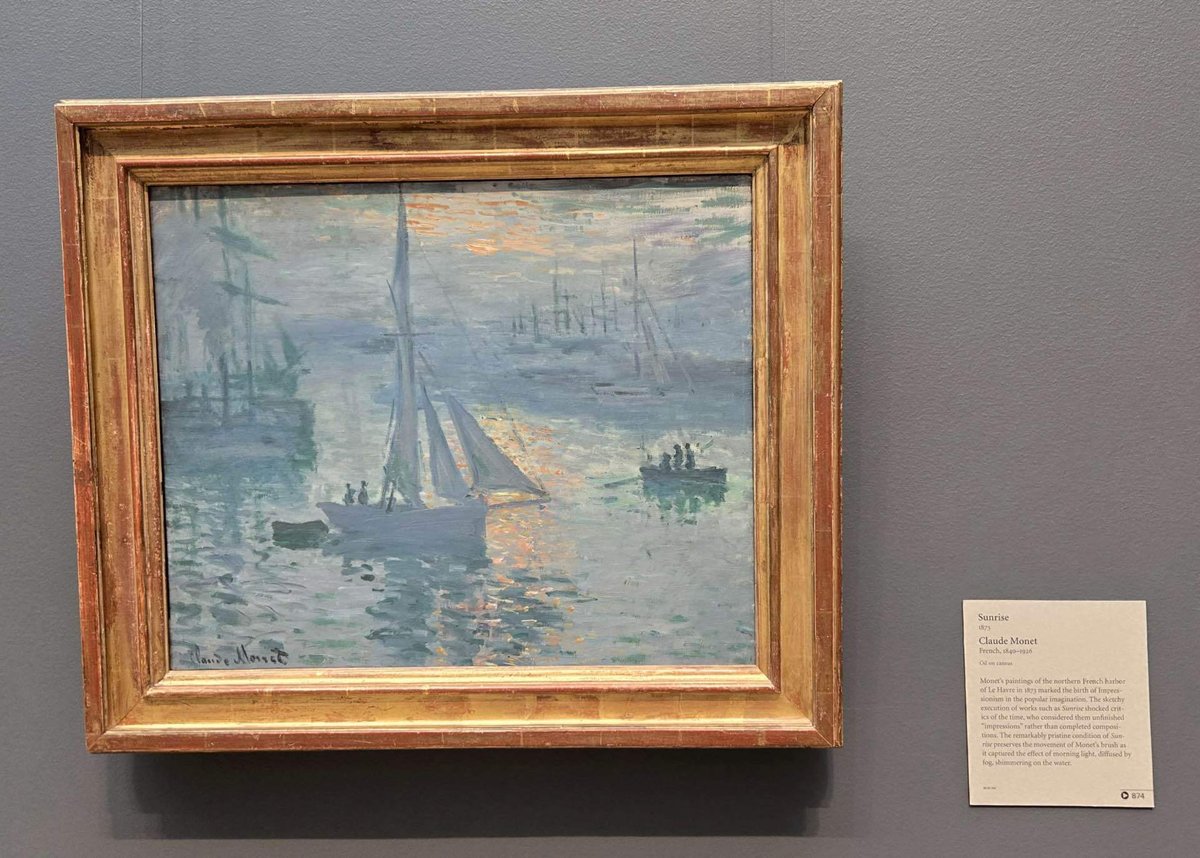
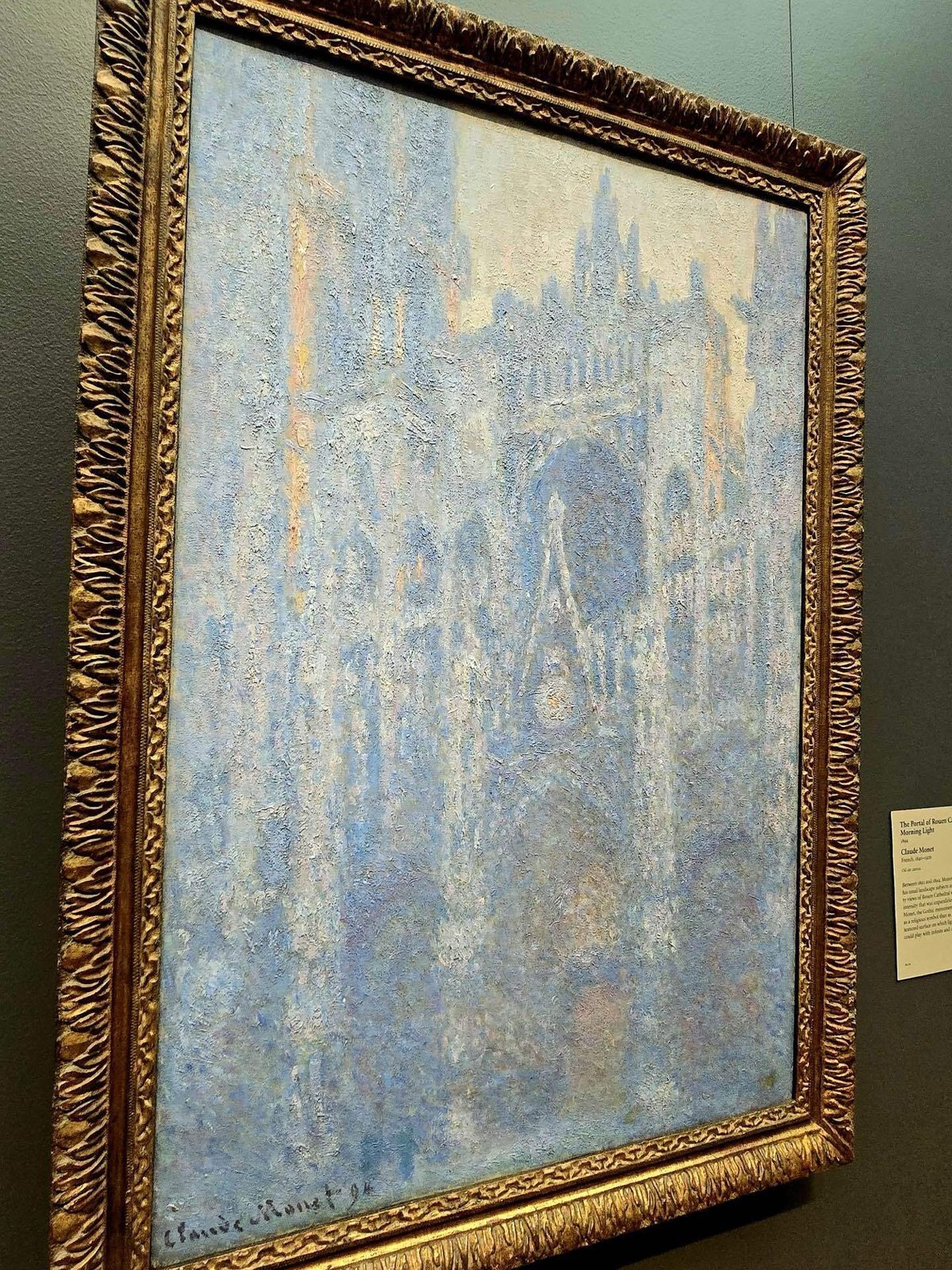
It was magnificent.
Just seeing that beautiful blue up close made the journey all the way to Los Angeles worthwhile.
How could a blue be so beautiful?
Cézanne once remarked upon seeing Monet's paintings:
"What eyes Monet has—and yet they are only ordinary eyes."
I understand exactly what he meant. I can't help but envy eyes capable of perceiving the world with such breathtaking shades of blue.
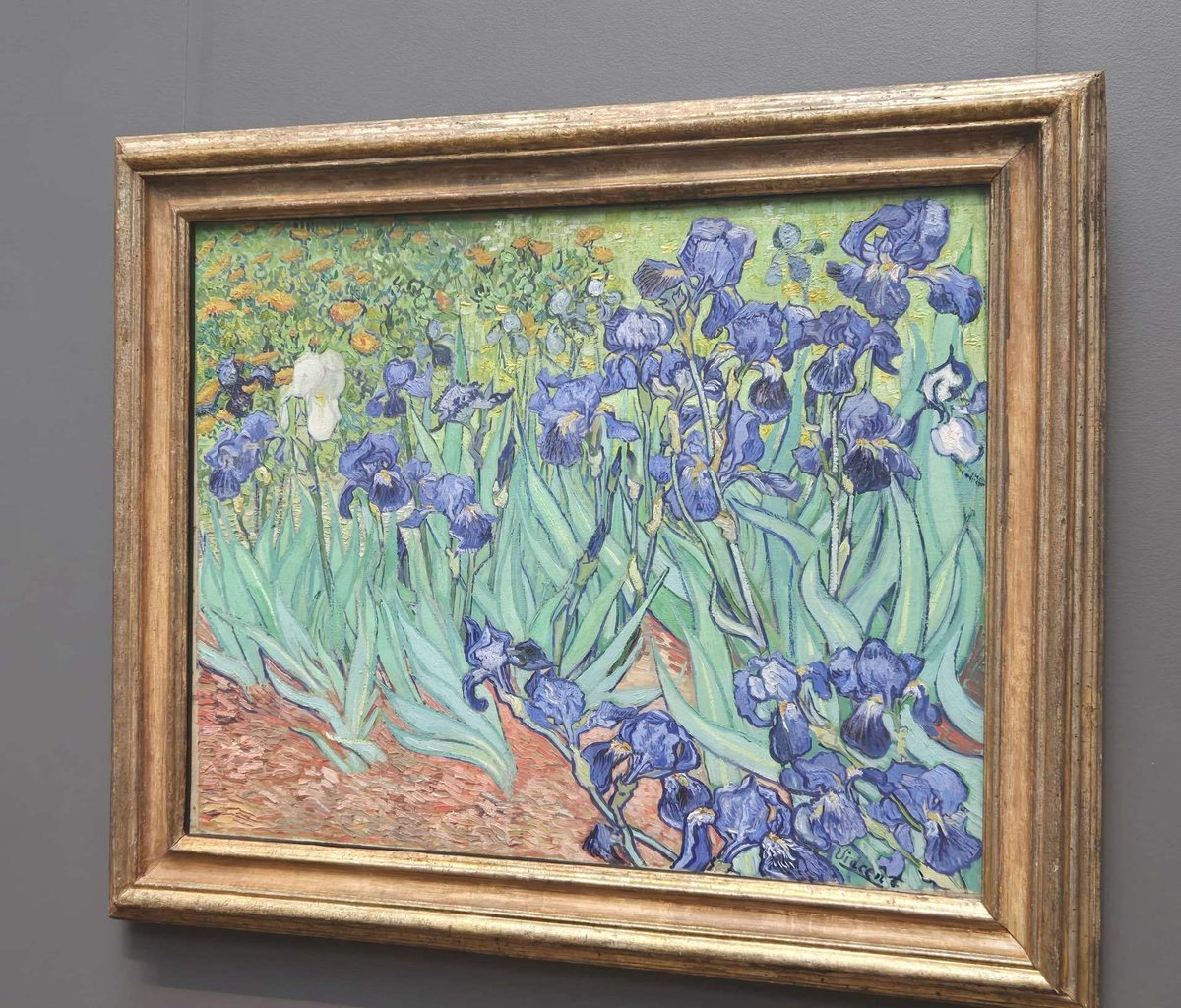
As it happened, the museum's only Van Gogh painting was blue as well.
Enveloped in a sense of satisfaction with a "blue" impression.
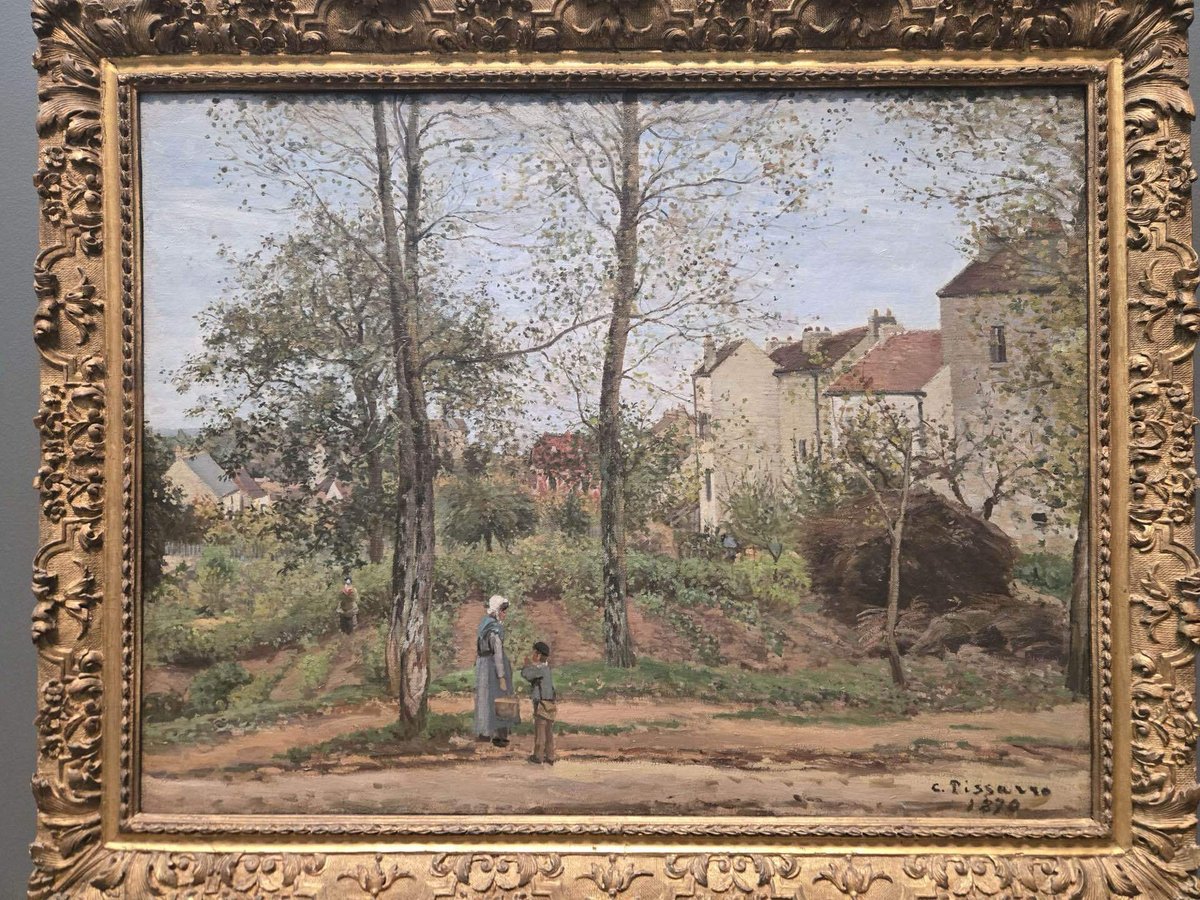
Of course, the collection is rich in every other color too.
What struck me most about this museum was how full it was of quietly exceptional works—masterpieces that feel understated rather than flashy, making the collection wonderfully rewarding for enthusiasts. This painting by Camille Pissarro is one such example. A quietly beautiful work.
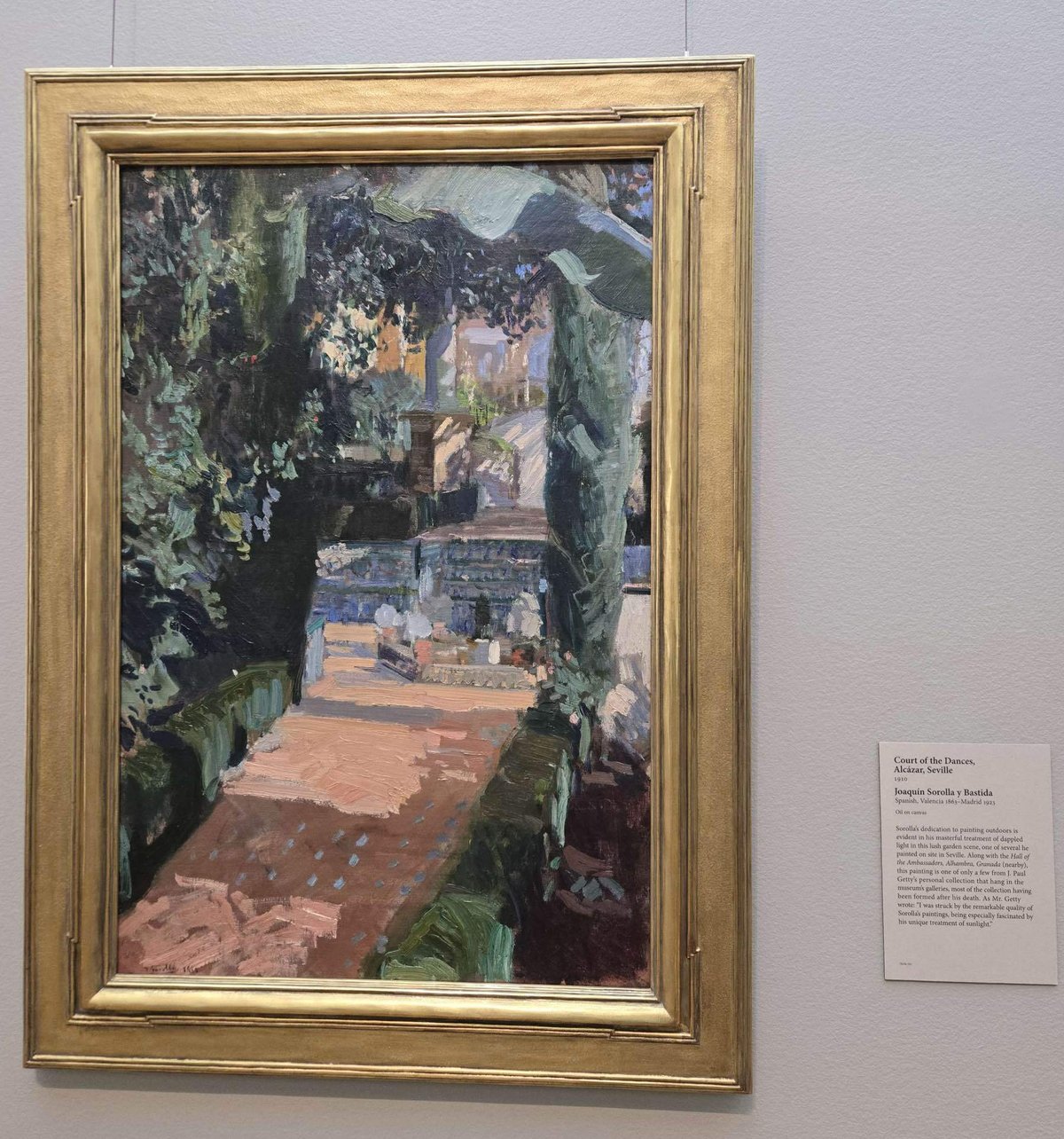
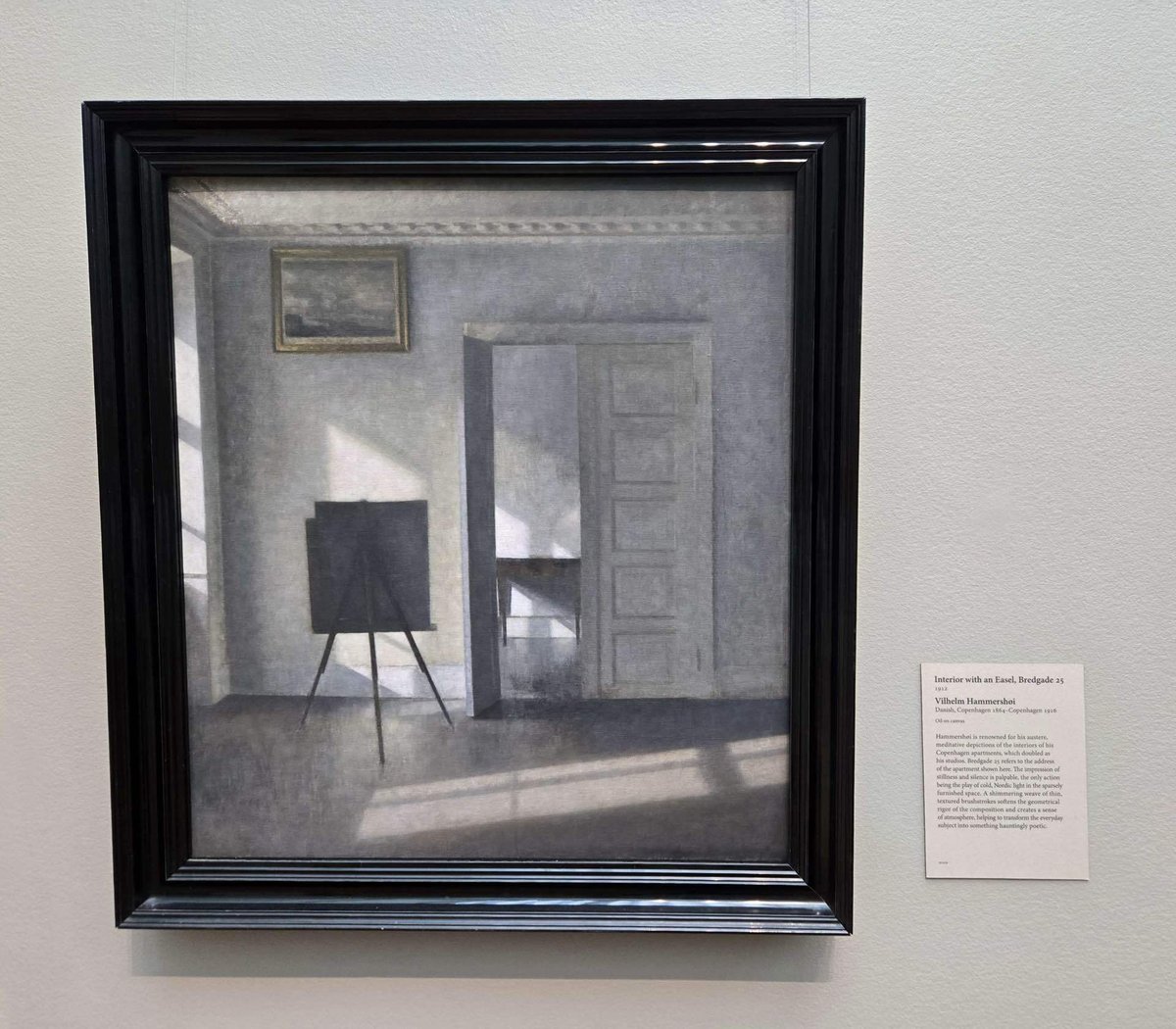
Modern art.
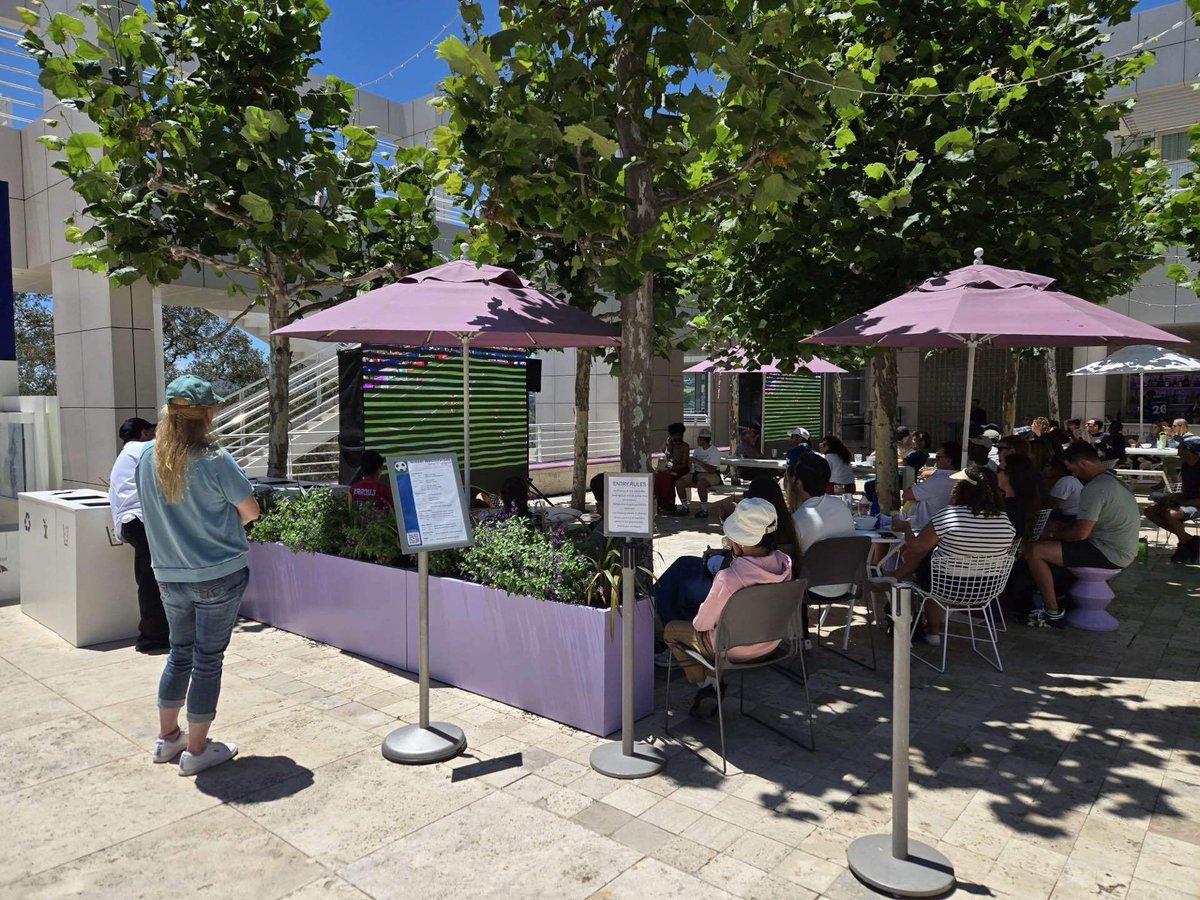
In the central garden, what appeared to be local visitors had gathered together to watch the World Cup.
There's something wonderful about a city that has a museum of this scale at its heart.
The overwhelming energy of contemporary art, and the quiet dignity of the centuries before it.
If you ever visit Los Angeles, I highly recommend experiencing both on the very same day.
Comments (0)
Leave a comment
No comments yet. Be the first to comment!